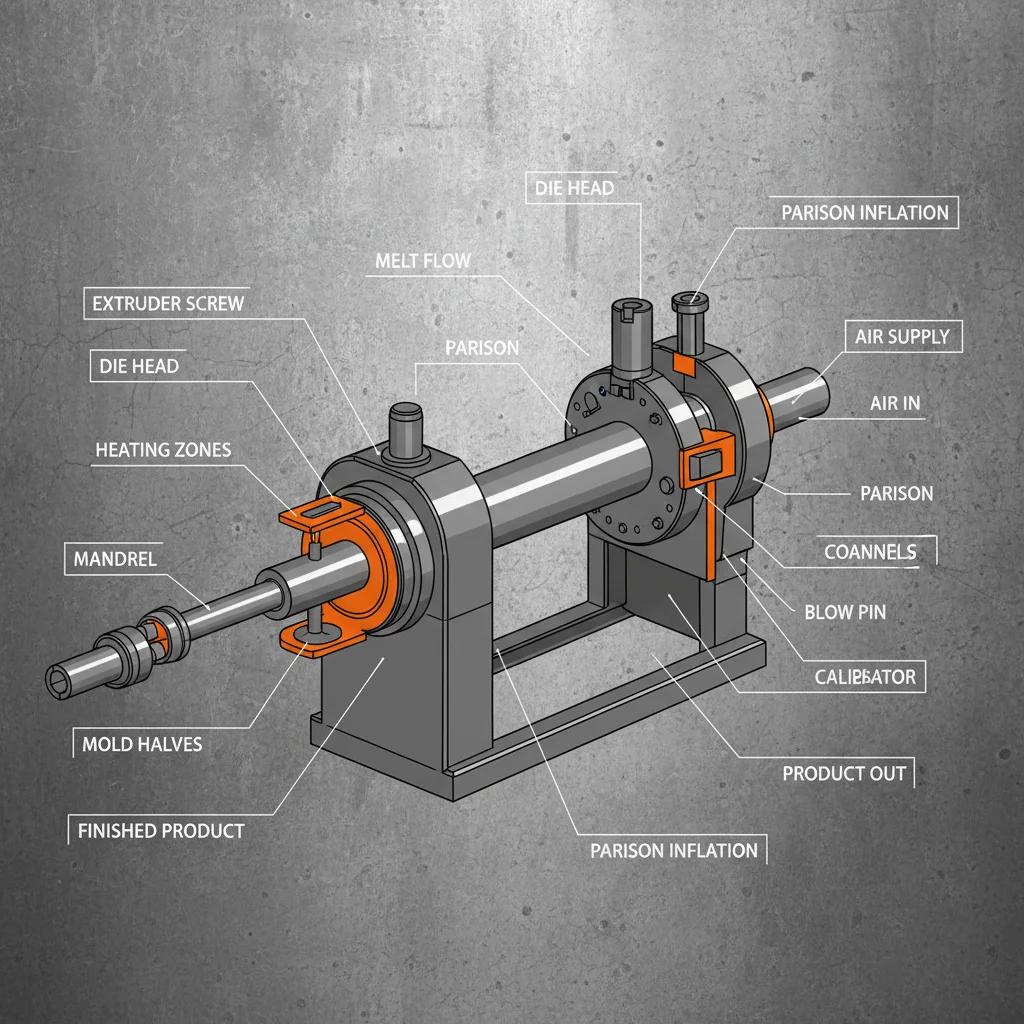
Film blowing machines are integral to the modern plastics industry, responsible for the production of a vast array of flexible packaging used globally. From grocery bags and shrink wrap to agricultural films and industrial liners, these machines create the plastic films that touch nearly every aspect of our lives. Understanding the intricacies of film blowing technology is crucial for manufacturers, engineers, and anyone involved in the supply chain, as it impacts product quality, production efficiency, and ultimately, cost-effectiveness.
The demand for plastic films continues to rise, driven by population growth, increasing consumerism, and the expanding applications of plastics in diverse sectors. This growth presents both opportunities and challenges. Effective utilization of film blowing machines, including advancements in energy efficiency and material science, is vital to meeting this demand sustainably and responsibly. Innovations in machine control and automation are also key to optimizing production processes and minimizing waste.
Globally, the market for film blowing machines is highly competitive, with key players located in China, Europe, and North America. The adoption of advanced technologies, such as multilayer film extrusion and inline printing capabilities, is reshaping the industry landscape. Furthermore, the increasing focus on circular economy principles is driving demand for machines capable of processing recycled materials, furthering the importance of understanding and implementing film blowing technologies effectively.
Introduction to film blowing machines
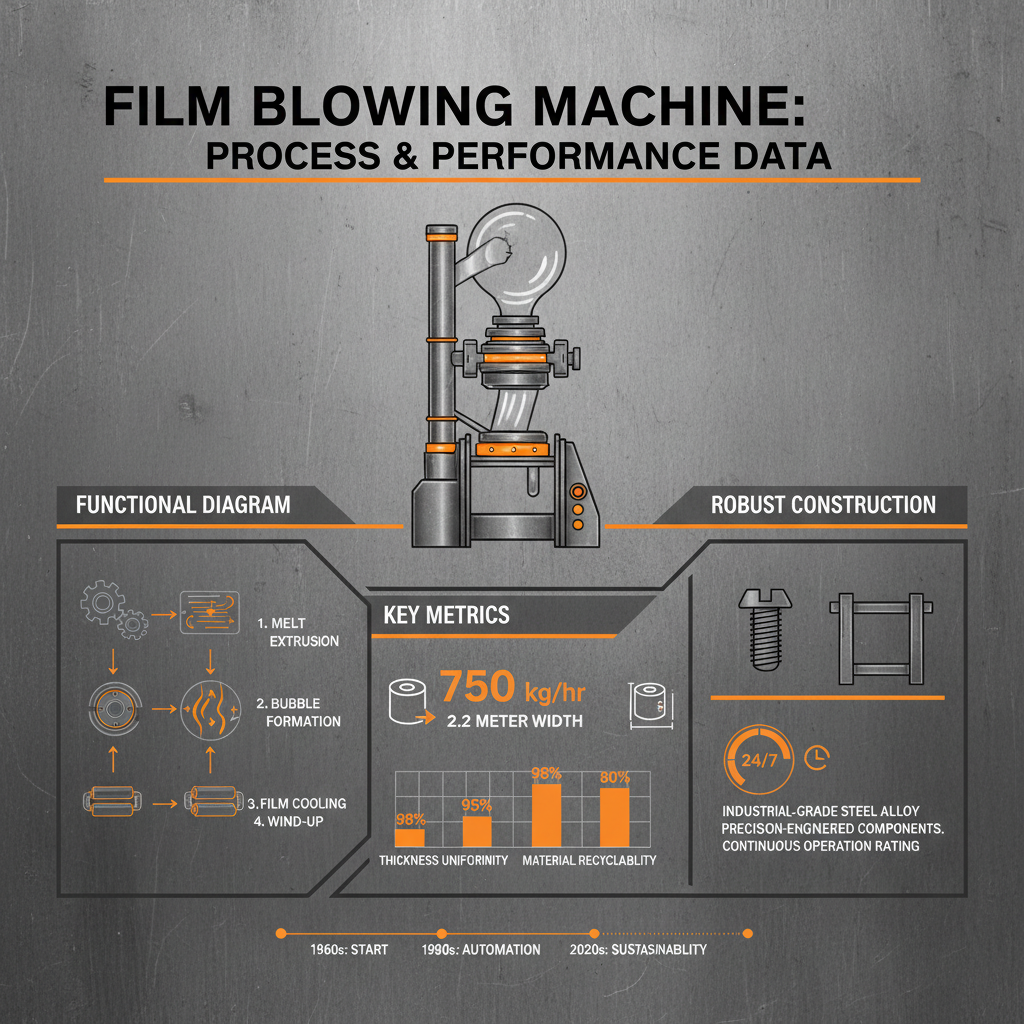
Film blowing machines represent a cornerstone of the plastic film manufacturing process. These machines are designed to extrude molten plastic through a circular die, creating a continuous tube of film. This tube is then inflated with air, stretching the plastic in both the horizontal and vertical directions, and subsequently cooled and flattened. The resulting film can then be used for a wide range of packaging and industrial applications.
The evolution of film blowing machines has been driven by demands for increased production speeds, improved film quality, and enhanced process control. Modern machines incorporate advanced features such as automated bubble control systems, precise temperature regulation, and sophisticated sensor technologies, all contributing to superior film properties and reduced material waste. The selection of the appropriate film blowing machine depends largely on the desired film characteristics and the intended application.
Defining Film Blowing Technology
Film blowing technology, at its core, is an extrusion process used to create plastic films. Unlike cast film extrusion, which cools the plastic film on a chilled roll, film blowing uses air pressure to inflate the molten plastic, resulting in a tubular film. This blowing process introduces biaxial orientation to the polymer chains, improving the film’s strength, toughness, and barrier properties. This orientation is a key differentiator between blown film and cast film.
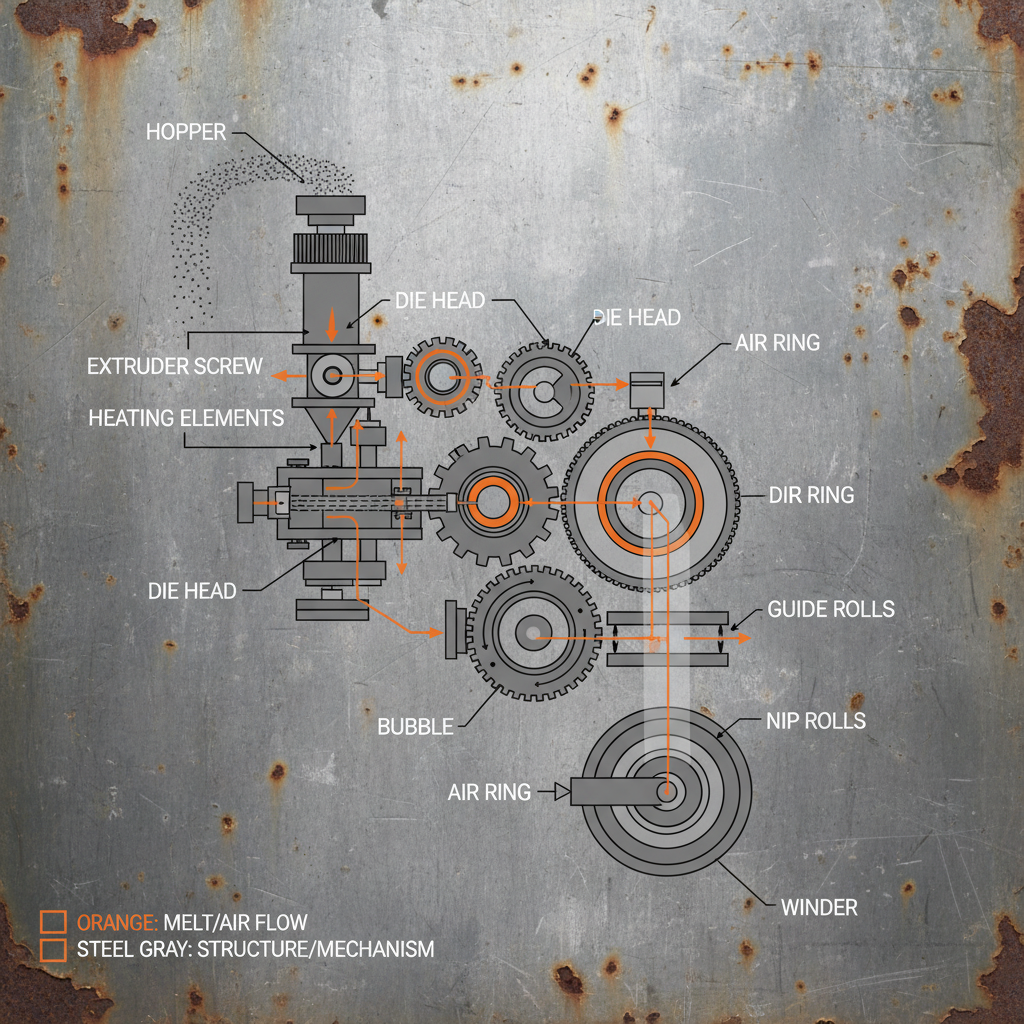
The process begins with plastic resin, typically polyethylene (PE), polypropylene (PP), or polyethylene terephthalate (PET), being fed into an extruder. The extruder melts the resin and forces it through an annular die, forming a tube. Compressed air is then introduced into this tube, expanding it to the desired diameter and thickness. This expanded tube is cooled by air rings and then flattened by rollers before being wound onto a core.
This technique is crucial for industries requiring flexible packaging that needs to withstand varying conditions. It directly impacts the performance of packaging materials, influencing factors such as shelf life, product protection, and overall packaging integrity. The versatility of film blowing makes it an essential process across numerous industries, underpinning our daily lives in countless ways.
Core Components of Film Blowing Machines
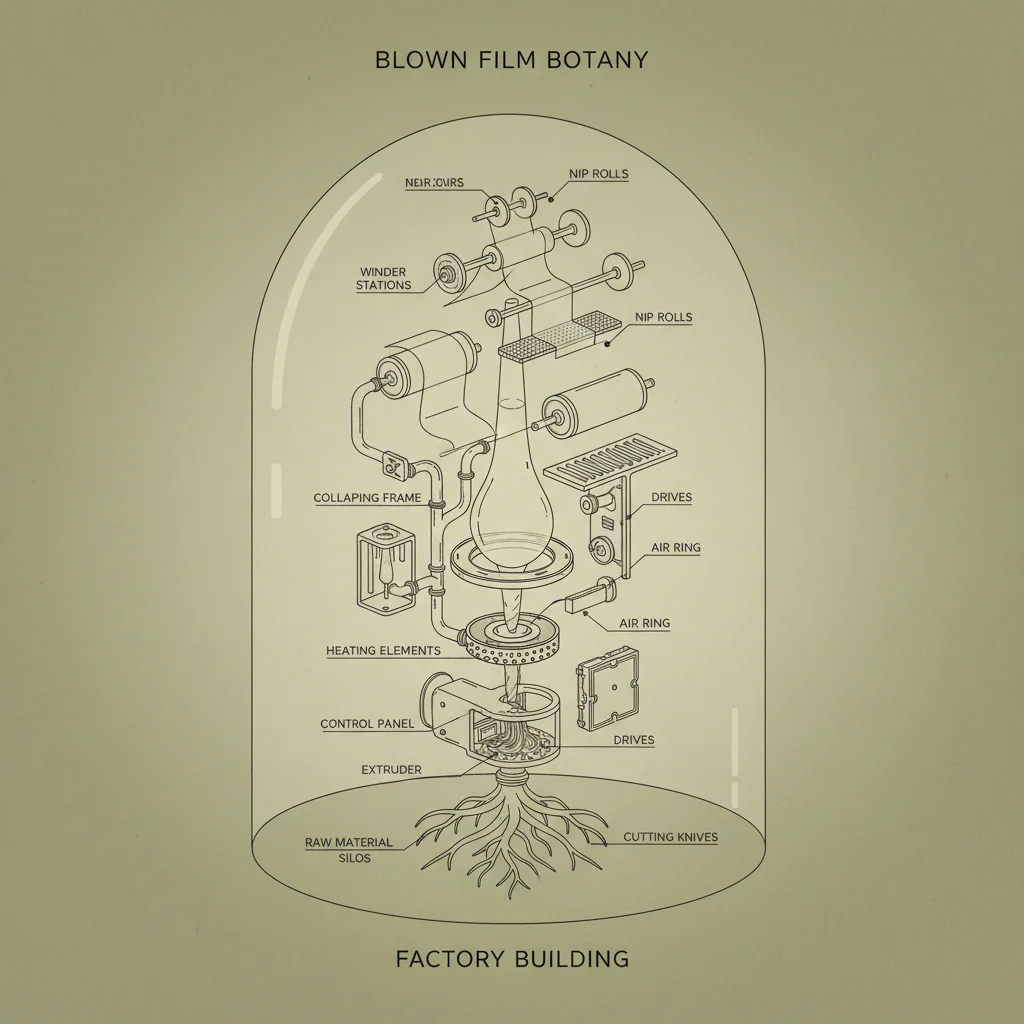
A typical film blowing machine comprises several key components working in unison. The extruder is the heart of the system, responsible for melting and homogenizing the plastic resin. The die, often custom-designed for specific film characteristics, shapes the molten plastic into a circular tube. The air ring cools the film, maintaining bubble stability and controlling film thickness.
Further critical elements include the take-up unit, which winds the finished film onto a core, and the bubble control system, which maintains the film’s diameter and prevents collapse. The haul-off rollers, responsible for pulling the film away from the die, ensure uniform thickness and consistent tension. Modern machines also incorporate sophisticated control systems for precise temperature regulation, air pressure management, and speed control.
Each of these components plays a vital role in the overall quality and efficiency of the film blowing process. Regular maintenance and precise calibration of these components are essential to ensure optimal performance and minimize defects. The correct interplay of these parts is the key to producing high-quality plastic films efficiently and cost-effectively.
Key Factors Influencing Film Quality
Several factors significantly impact the quality of film produced by film blowing machines. Die design plays a crucial role, influencing film thickness uniformity and bubble stability. Precise temperature control throughout the extrusion process is essential for achieving consistent film properties. The air ring’s cooling capacity directly affects film cooling rates and overall film clarity.
Furthermore, resin quality and processing parameters like melt temperature, screw speed, and haul-off ratio contribute substantially to the final product. The molecular weight and distribution of the polymer, as well as the presence of any additives or fillers, also affect film characteristics such as strength, flexibility, and barrier properties.
Film Blowing Machine Performance Metrics
Global Applications of Blown Film
Blown film finds extensive use across a wide spectrum of industries. The packaging sector is the largest consumer, utilizing blown film for food packaging, retail bags, and industrial wraps. Agriculture relies heavily on blown film for greenhouse coverings, mulch film, and silage wrap, protecting crops and optimizing yields.
Beyond these core applications, blown film is employed in medical packaging, construction (vapor barriers and underlayments), and hygiene products. In post-disaster relief operations, blown film is used to create temporary shelters and provide protective coverings. In remote industrial zones, its durability and versatility make it a critical component in various logistical and protective applications.
Advantages and Long-Term Value
Film blowing machines offer several distinct advantages. They provide a cost-effective method for producing large volumes of flexible packaging, ensuring a competitive edge in the market. The biaxial orientation achieved during the blowing process enhances film strength and barrier properties, resulting in superior product protection and extended shelf life.
Investing in high-quality film blowing equipment translates to long-term value through reduced material waste, increased production efficiency, and improved product consistency. The ability to process recycled materials promotes sustainability and reduces environmental impact, contributing to a positive brand image and aligning with evolving consumer preferences.
Moreover, advancements in automation and control systems enhance operator safety and reduce the risk of errors, minimizing downtime and maximizing productivity. These combined factors make film blowing machines a crucial investment for businesses seeking long-term growth and success in the plastics industry.
Future Trends in Film Blowing
The future of film blowing technology is poised for significant advancements. The integration of digital technologies, such as machine learning and artificial intelligence, will enable predictive maintenance, optimized process control, and real-time quality monitoring. Furthermore, the development of biodegradable and compostable polymers will drive demand for film blowing machines capable of processing these sustainable materials.
The move towards circular economy principles will further accelerate the adoption of recycled content in film production. Innovations in multilayer film technology will allow for the creation of films with enhanced barrier properties and reduced material consumption. Energy efficiency improvements, such as the use of variable frequency drives and optimized cooling systems, will minimize environmental impact and reduce operating costs.
Additionally, automation and robotics will play a key role in streamlining production processes, reducing labor costs, and improving overall efficiency. These trends collectively point towards a future where film blowing machines are more sustainable, efficient, and technologically advanced.
FAQS
Single-layer film blowing extrudes a single material, offering simplicity and cost-effectiveness. Multilayer film blowing combines multiple materials in a single film, providing enhanced barrier properties, strength, and specific functionalities like printability or heat sealability. The choice depends on the application’s performance requirements. Multilayer films generally require more complex machinery and precise control but offer superior performance in demanding packaging applications.
The haul-off ratio, the ratio of the film's draw speed to the extrusion rate, significantly affects the film's orientation and properties. A higher ratio increases biaxial orientation, enhancing tensile strength and tear resistance but potentially reducing thickness. Optimizing the haul-off ratio is crucial for achieving the desired film characteristics. A lower ratio results in less orientation and a thicker film.
Regular maintenance is crucial for optimal performance. This includes cleaning the die, inspecting and replacing wear parts (screws, heating elements), lubricating moving parts, calibrating temperature controllers, and monitoring the air ring for proper cooling. Preventative maintenance schedules should be followed rigorously to minimize downtime and ensure consistent film quality.
Polyethylene (PE), both Low-Density (LDPE) and High-Density (HDPE), are the most commonly used materials. Polypropylene (PP) is also prevalent, offering higher temperature resistance. Other materials include Polyethylene Terephthalate (PET) for barrier properties and specialized polymers for unique applications. The choice of material depends on the desired film characteristics, such as flexibility, strength, and barrier performance.
Bubble stability can be improved by optimizing several parameters. Ensure the die is clean and free of imperfections. Adjust the air ring’s cooling capacity to provide uniform cooling. Maintain consistent resin temperature and melt flow. Carefully control the haul-off ratio and film tension. Properly designed and maintained bubble control systems are also essential for maintaining a stable bubble.
Operating a film blowing machine requires strict adherence to safety protocols. Ensure proper lockout/tagout procedures are followed during maintenance. Wear appropriate personal protective equipment (PPE), including safety glasses and heat-resistant gloves. Be aware of pinch points and moving parts. Regularly inspect safety guards and emergency stop buttons. Proper training is essential for all operators.
Conclusion
In conclusion, film blowing machines are indispensable tools in the modern plastics industry, enabling the production of a vast range of flexible packaging and industrial films. Understanding the core components, key factors influencing film quality, and emerging trends is critical for manufacturers seeking to optimize their operations, enhance product performance, and embrace sustainable practices. From advancements in material science to the integration of digital technologies, the future of film blowing promises continued innovation and efficiency.
Investing in advanced film blowing technology and prioritizing operator training are essential for long-term success. By staying abreast of the latest developments and embracing sustainable practices, businesses can leverage the power of film blowing machines to meet the evolving needs of the market and contribute to a more circular economy. For more information and to explore our range of film blowing solutions, visit our website at www.cnchsj.com.