The world relies heavily on packaging for product preservation, transportation, and consumer convenience. At the heart of much of this packaging lies blown film – a versatile plastic sheeting used in countless applications, from food packaging to industrial liners. Understanding the intricacies of a blown film making machine is therefore crucial for manufacturers, engineers, and anyone involved in the plastics industry. This knowledge enables efficient production, improved product quality, and the development of sustainable packaging solutions.
Globally, the demand for plastic packaging continues to rise, driven by population growth and increasing consumption. According to a report by Grand View Research, the global plastic packaging market size was valued at USD 200.37 billion in 2022 and is expected to grow at a compound annual growth rate (CAGR) of 3.5% from 2023 to 2030. A blown film making machine is a cornerstone of this industry, and its optimization directly impacts supply chains and the availability of essential goods.
However, this growth also presents challenges. Concerns around plastic waste and environmental impact necessitate innovations in materials and manufacturing processes. Advanced blown film making machine technologies play a vital role in addressing these concerns, enabling the production of thinner, stronger, and more recyclable films. Furthermore, efficient blown film production contributes to cost reduction and increased competitiveness in the global market.
Understanding the Core of Blown Film Making Machine
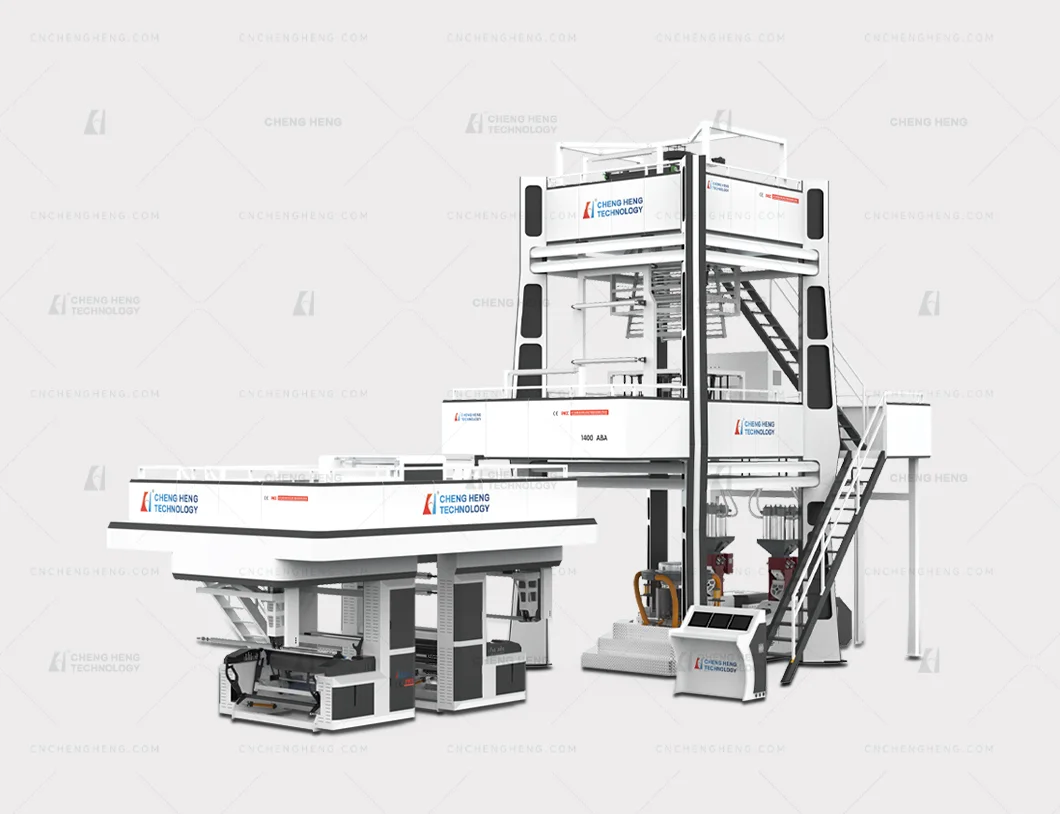
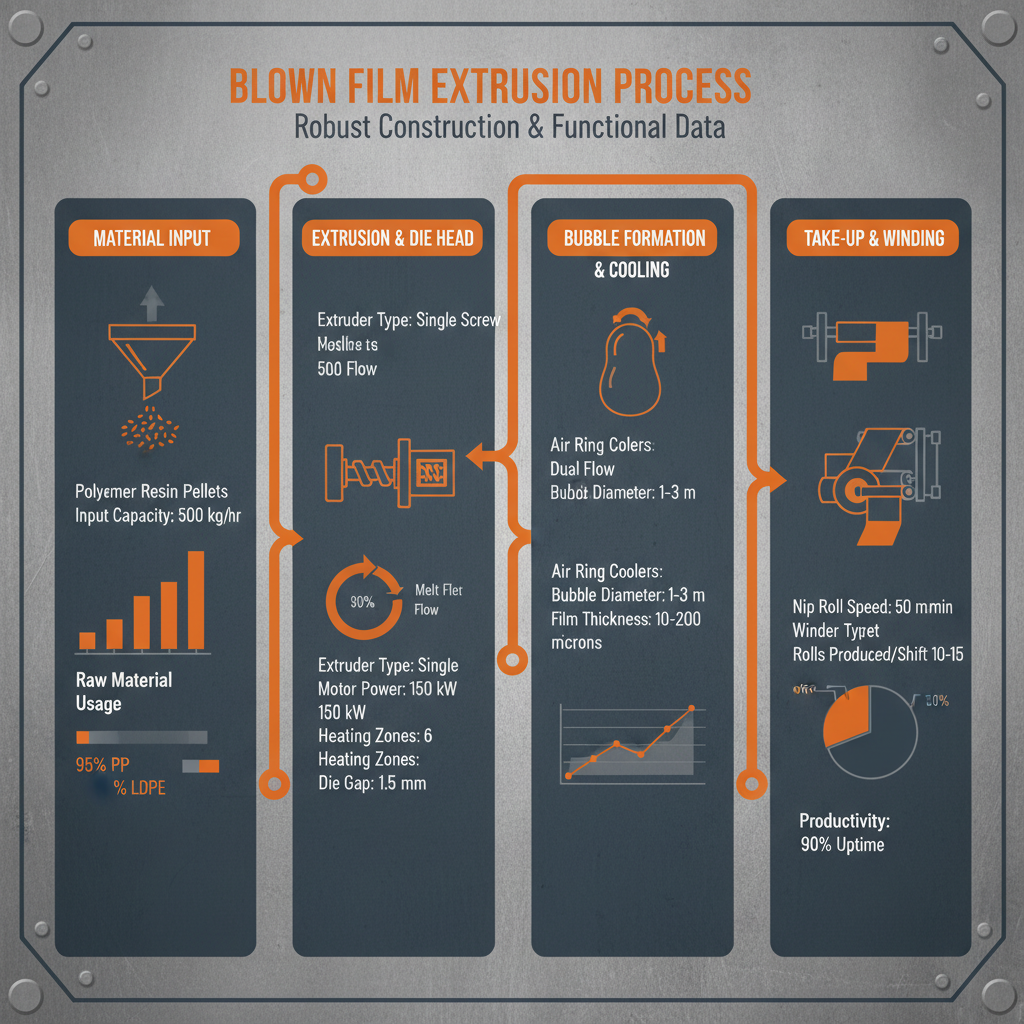
A blown film making machine is a complex system designed to extrude molten plastic into a thin tubular film. This film is then inflated with air to create a bubble, and stretched in both the vertical and horizontal directions to achieve the desired thickness and width. The resulting film is then cooled, collapsed, and wound onto a roll.
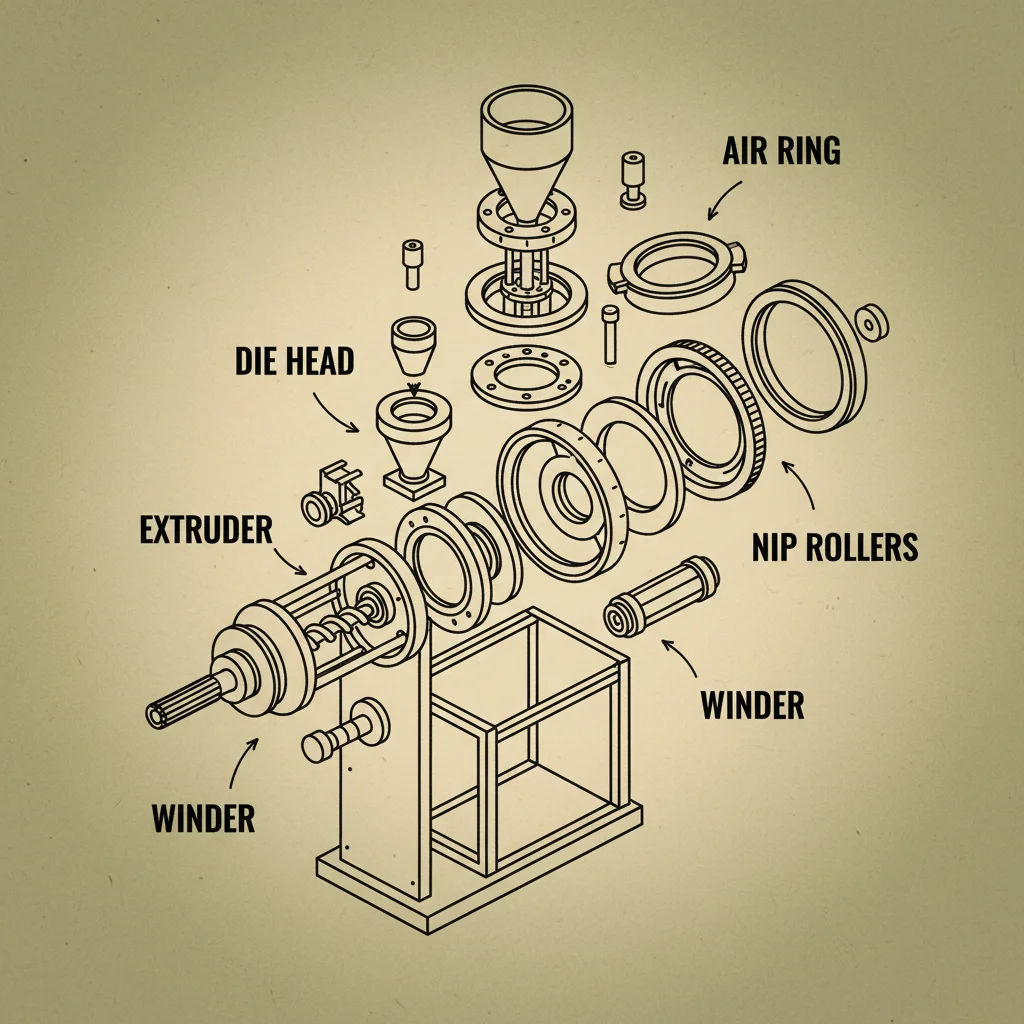
The efficiency and quality of this process depend on several factors, including the extruder design, die configuration, air ring effectiveness, and cooling system. Modern machines often incorporate sophisticated control systems and sensors to ensure consistent film properties and minimize waste. Understanding each component's role is crucial for optimizing performance and troubleshooting issues.
The Definition and Industrial Relevance of Blown Film Machines
Essentially, a blown film making machine transforms plastic resin into a continuous tube of plastic film. This process involves melting the plastic, forcing it through a circular die, and inflating the molten plastic into a bubble. The stretching of this bubble determines the film’s final thickness and properties. This technology bridges the gap between raw plastic materials and the vast world of flexible packaging.
Its industrial relevance stems from the ubiquitous nature of plastic film in modern life. From packaging food and beverages to creating agricultural films and industrial liners, the applications are incredibly diverse. The blown film making machine underpins countless supply chains and consumer products, impacting industries ranging from agriculture to healthcare.
The demand for high-quality, cost-effective plastic film drives continuous innovation in blown film technology. Advancements in materials science, automation, and control systems are constantly pushing the boundaries of what’s possible, enabling the production of films with enhanced properties and reduced environmental impact.
Key Factors Influencing Blown Film Making Machine Performance
Several critical factors directly influence the performance of a blown film making machine. Firstly, the quality of the extruder and its ability to consistently melt and deliver the plastic resin is paramount. Variations in melt temperature or flow rate can lead to inconsistencies in film thickness and properties.
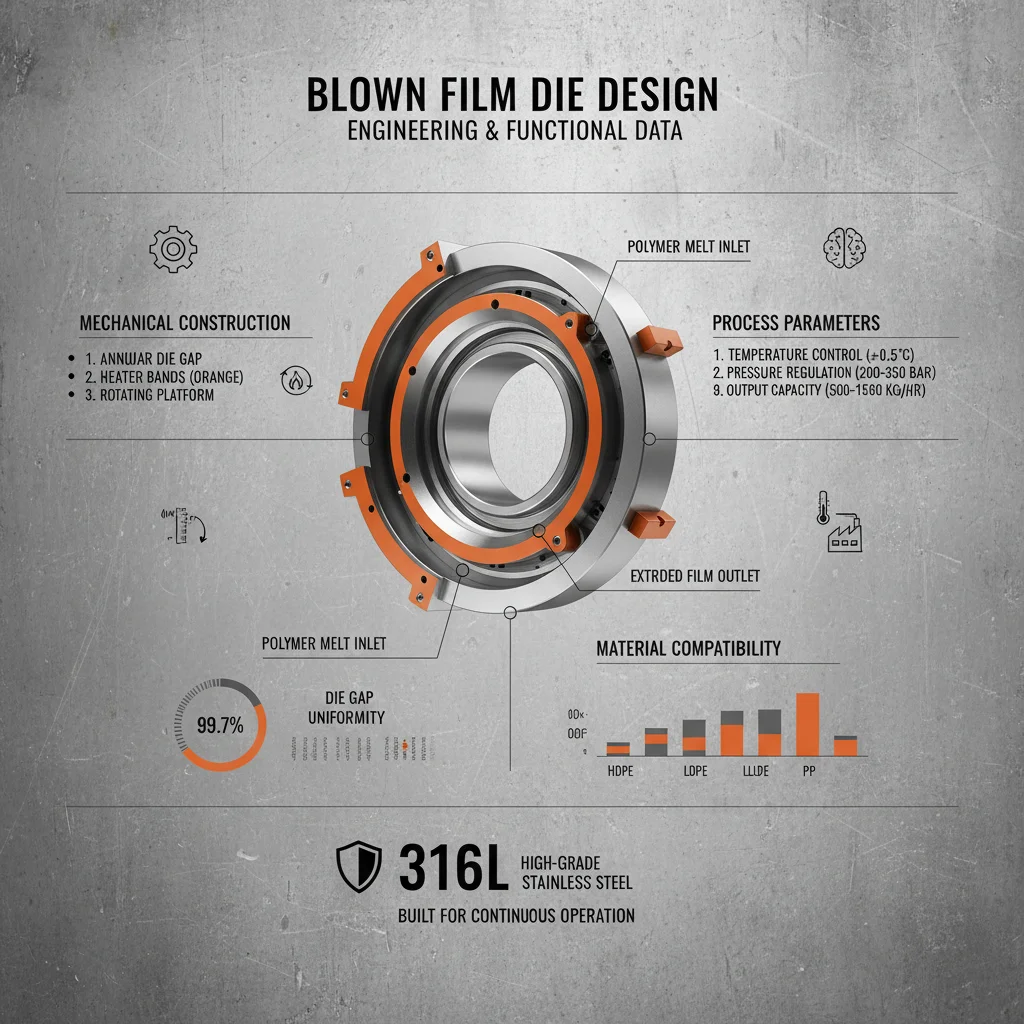
Secondly, the design and condition of the die play a crucial role. A properly designed die ensures uniform melt distribution, preventing defects and maximizing film clarity. The air ring’s efficiency in cooling the film bubble is also essential; inadequate cooling can cause the film to stick to the die or exhibit undesirable wrinkles.
Finally, the control system's sophistication greatly impacts performance. Advanced systems utilize sensors and feedback loops to precisely regulate temperature, pressure, and film thickness, ensuring consistent quality and minimizing waste. The proper selection of materials and understanding their processing parameters is also crucial to achieve the desired film properties.
Applications Across Diverse Industries
The applications of films produced by a blown film making machine are incredibly diverse. In the food packaging industry, they are used for creating bags, pouches, and wraps that protect food from spoilage and contamination. Agricultural films provide vital protection for crops, enhancing yields and reducing water consumption.
The construction industry utilizes films for vapor barriers, waterproofing membranes, and protective coverings. Industrial applications include creating liners for drums, bags for chemicals, and protective packaging for sensitive equipment. Even the medical field relies on specialized blown films for packaging sterile products and creating medical bags.
Blown Film Making Machine Applications by Industry
Advantages and Long-Term Value Proposition
Investing in a high-quality blown film making machine offers significant advantages. Reduced material waste through precise control, increased production speed and efficiency, and the ability to create films with customized properties all contribute to lower production costs and improved profitability.
Beyond the financial benefits, modern blown film technology supports sustainability initiatives. The ability to produce thinner films reduces plastic consumption, and advancements in biodegradable and recyclable materials open new avenues for environmentally responsible packaging. Reliability and longevity of the machinery itself further enhance its long-term value.
Future Trends in Blown Film Technology
The future of blown film technology is focused on sustainability and efficiency. Expect to see increased use of biodegradable and compostable polymers, as well as advancements in multilayer film technology that allows for the creation of films with enhanced barrier properties and reduced material usage.
Digitalization and automation will also play a crucial role. Smart sensors, data analytics, and AI-powered control systems will optimize production processes, predict maintenance needs, and improve overall machine performance. Integration with Industry 4.0 principles will further streamline operations and enhance connectivity.
Further innovation focuses on reducing the carbon footprint of the blown film process. Utilizing renewable energy sources and implementing energy-efficient technologies are becoming increasingly important for manufacturers seeking to minimize their environmental impact.
Challenges and Innovative Solutions
Despite its advancements, the blown film industry faces challenges. Maintaining consistent film quality with varying resin types and thicknesses requires skilled operators and precise control systems. Reducing material waste and addressing concerns about plastic pollution are also ongoing priorities.
Innovative solutions include the development of advanced die designs that improve melt distribution, the implementation of closed-loop control systems that automatically adjust process parameters, and the exploration of new materials like bio-based polymers. Recycling technologies and strategies for circular economy implementation are also crucial.
Furthermore, investing in operator training and utilizing predictive maintenance programs can significantly reduce downtime and improve overall efficiency. Addressing these challenges will be key to ensuring the long-term viability and sustainability of the blown film industry.
Common Challenges and Solutions in Blown Film Making Machine Operation
| Challenge |
Impact on Production |
Solution |
Implementation Cost (1-10) |
| Film Thickness Variation |
Inconsistent product quality, increased waste |
Automated thickness control system |
7 |
| Bubble Instability |
Film breaks, reduced production speed |
Optimized air ring design and control |
6 |
| Die Head Blockage |
Reduced output, inconsistent film width |
Regular die cleaning and maintenance |
3 |
| Material Waste |
Increased production costs, environmental impact |
Implementing a scrap recycling system |
5 |
| Operator Skill Gap |
Inconsistent operation, quality issues |
Comprehensive operator training program |
4 |
| High Energy Consumption |
Increased operational costs, environmental concerns |
Implementing energy-efficient components and process optimization |
8 |
FAQS
Monolayer extrusion uses a single layer of plastic, while multilayer employs two or more layers with different properties. Multilayer allows for tailored film performance – for example, a barrier layer for oxygen protection combined with a sealable layer. This results in improved functionality, but requires more complex machinery and process control. A blown film making machine can be configured for either process, with multilayer options offering greater versatility.
Resin selection depends heavily on the desired film properties. Consider factors like barrier requirements (oxygen, moisture), strength, clarity, sealability, and cost. Common resins include polyethylene (PE), polypropylene (PP), and polyethylene terephthalate (PET). The blown film making machine’s capabilities and die design also play a role in resin compatibility and processability.
With proper maintenance and care, a high-quality blown film making machine can last 15-20 years or even longer. Regular inspections, timely replacement of worn parts, and adherence to manufacturer recommendations are crucial for maximizing its lifespan. Investing in a machine built with durable components and advanced technology is a smart long-term investment.
Safety is paramount. Operators must wear appropriate personal protective equipment (PPE), including safety glasses, gloves, and hearing protection. Emergency stop buttons should be readily accessible and regularly tested. Proper lockout/tagout procedures must be followed during maintenance. Thorough training on machine operation and safety protocols is essential.
Several strategies can minimize waste. Optimizing process parameters (temperature, pressure, haul-off speed) reduces scrap. Implementing a scrap recycling system allows for reprocessing of trimmed edges and rejected film. Precise thickness control and minimizing bubble instability are also crucial. Furthermore, careful resin handling and storage prevent contamination and material degradation.
Modern cooling systems utilize advanced air ring designs and chilled water circulation for more efficient and uniform cooling. Some systems employ internal bubble cooling (IBC) to enhance cooling performance and improve film clarity. Optimized cooling is vital for preventing film sticking, minimizing wrinkles, and achieving desired mechanical properties.
Conclusion
In conclusion, the blown film making machine remains a cornerstone of the global packaging industry, facilitating the production of essential materials for countless applications. Understanding its core principles, key factors influencing performance, and emerging trends is vital for manufacturers seeking to optimize efficiency, reduce costs, and embrace sustainability.
Looking ahead, continued innovation in materials, automation, and process control will drive further advancements in blown film technology. By embracing these advancements and prioritizing environmental responsibility, the industry can ensure its long-term viability and continue to meet the evolving needs of a global market. Visit our website at www.cnchsj.com to learn more about our range of blown film making machines and solutions.