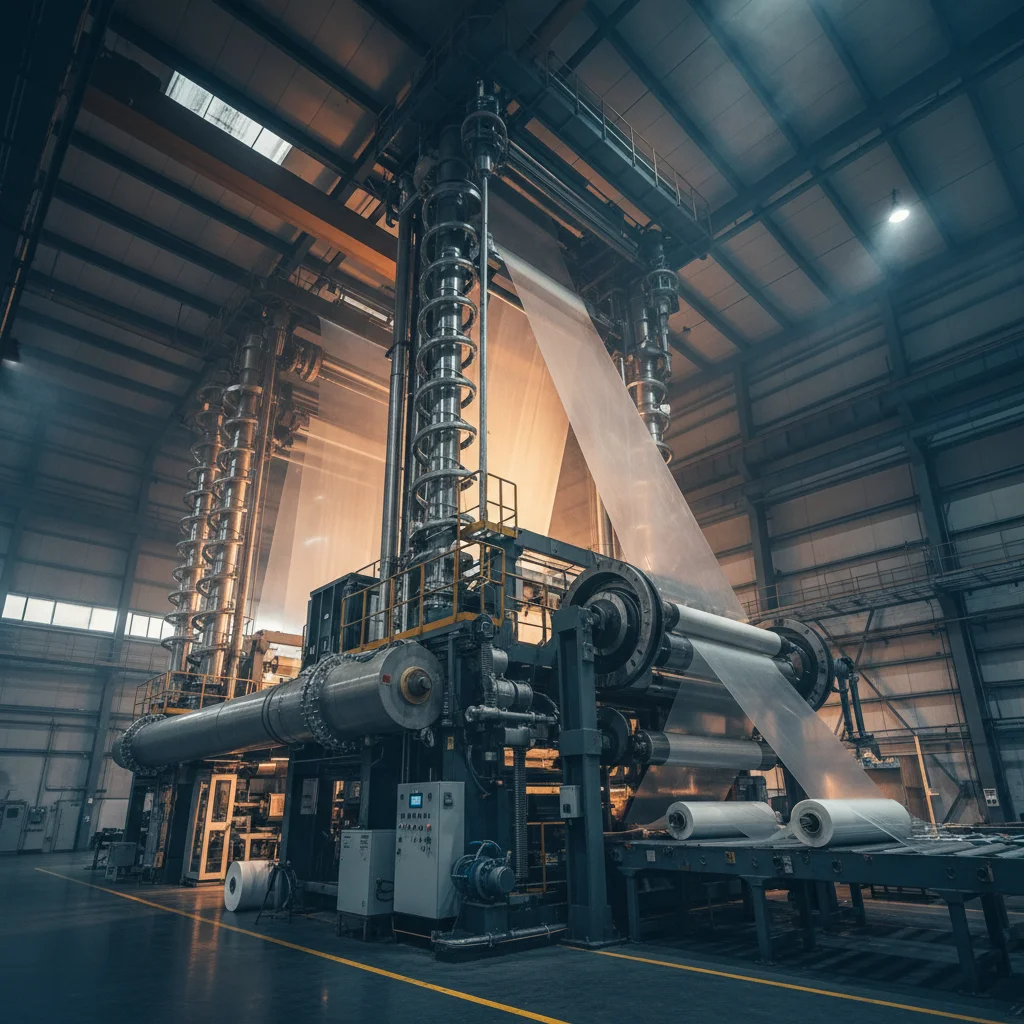
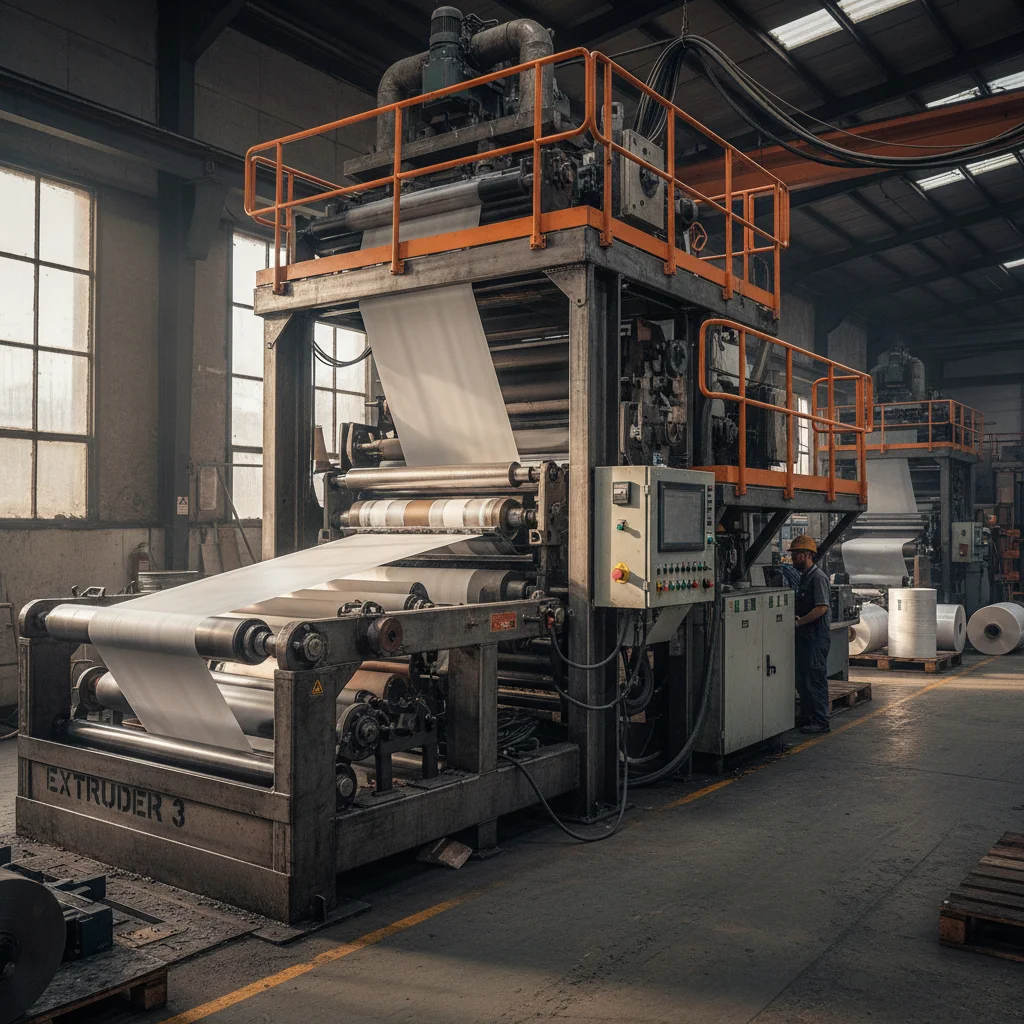
Look, been running around construction sites all year, you see a lot. Lately, everyone's buzzing about these new high-speed blown film machines. It's not just about speed, though. It's about consistency, right? Because what good is fast if it's all scrap? To be honest, I've seen too many "innovations" that just create more headaches. And blown film machine suppliers… well, they’re all promising the moon.
You know what’s actually interesting? Everyone’s chasing thinner gauges, trying to save on material costs. But have you noticed, the thinner you go, the more sensitive it is to imperfections? It’s a delicate balance. We've got customers needing film for everything from food packaging – gotta meet those standards, naturally – to industrial liners. It’s a wide range.
And let me tell you, finding reliable blown film machine suppliers is getting harder. They all say their machines are top-of-the-line.
The Current Landscape of Blown Film Machine Suppliers
Honestly, the market's flooded. You’ve got your big names, primarily out of China, offering machines at all price points. Then you’ve got smaller, more specialized blown film machine suppliers who focus on specific film types or applications. Strangely, the bigger ones aren’t always the best at support, you know? They just want to sell you the machine. The real trick is finding someone who'll actually help you when things go wrong. And they will go wrong.
It's a really competitive field right now. They're all trying to one-up each other with faster speeds, wider widths, and more automation. But a lot of it is just marketing fluff, if you ask me. The real difference comes down to build quality and the knowledge of the people behind the machine.
Design Pitfalls and Common Mistakes
I’ve seen so many machines with overly complicated control systems. Engineers love to add features, but on a dusty factory floor, simple is better. You need something a guy can troubleshoot quickly without needing a PhD. Another common mistake? Cheap dies. That’s where you get all your imperfections – uneven thickness, wrinkles, the whole nine yards. It's the heart of the whole operation.
And the cooling systems… don’t even get me started. If they’re not properly designed, you’ll get heat buildup and the film will stretch and distort. You really need a supplier that understands airflow and heat transfer. Otherwise, it's just a waste of money.
I encountered this at a packaging factory in Vietnam last time – they bought a machine with a fancy automatic splice system. Sounded great on paper, but the material kept jamming. Ended up disabling it and going back to manual splicing. A lot of wasted time and money.
Material Science: It's More Than Just Resin
People think it’s just about buying the resin, right? LDPE, HDPE, LLDPE… but it's way more nuanced than that. The resin smell can tell you a lot about its quality, you know? A sharp, chemical odor usually means it’s not properly stabilized. And the feel – it shouldn’t be too sticky or too brittle. You need a blend that's just right for the application.
We had a client who was using recycled material to save costs. It worked okay for a while, but then they started getting inconsistent film properties. Turns out the recycled material wasn't properly sorted and contained a lot of contaminants. You get what you pay for, I guess. Anyway, I think the pre-blending process is often overlooked.
And don't forget about additives! Slip agents, anti-block agents, UV stabilizers… they all play a crucial role in the final product. Getting the right balance is key. A good blown film machine supplier will understand these nuances and help you choose the right materials.
Real-World Testing and Quality Control
Lab tests are fine, but they don't tell the whole story. You need to see how the film performs in the actual application. We do burst tests, tensile strength tests, tear resistance tests... but we also run real-world simulations. For example, if it's going to be used for packaging food, we'll fill it with product and see how it holds up during shipping and handling.
One thing I always check is the seal integrity. You don’t want any leaks! We use a simple leak test with water, but it’s surprisingly effective. A lot of suppliers rely on automated inspection systems, which are good, but they can miss subtle defects. It’s good to have a human eye involved.
Quality Control Metrics for Blown Film Machine Suppliers
How Customers Actually Use These Machines
You know, it's funny. Suppliers always talk about maximum throughput and efficiency. But most of our customers don't run the machines at full capacity all the time. They need flexibility to switch between different film types and thicknesses. They're not trying to squeeze every last drop of production out of it. They just need it to be reliable and consistent.
A lot of them also use the film for prototyping and small-batch runs. So, quick changeovers and easy setup are crucial. They don’t want to spend hours adjusting the machine every time they need to make a different product.
Advantages, Disadvantages, and Customization Options
The biggest advantage, obviously, is cost. Making your own film in-house can save you a lot of money, especially if you need large volumes. But it's not a slam dunk. You need skilled operators, a reliable supply of materials, and a good maintenance program. Later… Forget it, I won’t mention the headaches of finding qualified technicians.
Disadvantages? Well, the initial investment is significant. And you're tying up capital in equipment and inventory. Customization is usually possible, but it comes at a price. Last month, that small boss in Shenzhen who makes smart home devices insisted on changing the interface to , and the result was a three-week delay and a lot of frustration. He thought it would be "more modern". Some things just aren't worth it.
But genuinely, a good blown film machine supplier will work with you to tailor the machine to your specific needs. For example, we had one customer who needed a machine that could handle a particularly sticky resin. The supplier modified the die and added a special coating to prevent sticking.
A Supplier Story: Shenzhen and the Debacle
So, this guy, Mr. Chen, runs a small factory in Shenzhen making smart home sensors. He's a bit of a tech enthusiast, always chasing the latest trends. He ordered a machine from a new supplier – a risk, I know – and insisted on a interface for all the controls. Said it was “the future.” We tried to explain that USB-A was more reliable and readily available, but he wouldn't listen.
The supplier delivered the machine, but the interface was buggy. It kept disconnecting, causing the machine to stop mid-run. Mr. Chen spent days troubleshooting it, blaming the supplier, blaming the USB cables... it was a mess. Eventually, he had to revert back to a USB-A adapter, and the machine worked perfectly. He lost a lot of production time and a lot of money.
The whole thing was a lesson in sticking with what works. Sometimes, the simplest solution is the best. It’s a reminder that even the fanciest features aren't worth much if they're unreliable.
Summary of Key Supplier Evaluation Factors
| Technical Expertise |
Responsiveness & Support |
Build Quality & Reliability |
Customization Capabilities |
| Depth of engineering knowledge. |
Speed of response to inquiries. |
Use of high-quality components. |
Willingness to adapt designs. |
| Understanding of film properties. |
Availability of on-site service. |
Robustness of machine construction. |
Flexibility in material handling. |
| Ability to troubleshoot complex issues. |
Proactive communication. |
Longevity of machine lifespan. |
Adaptability to unique requirements. |
| Experience with specific applications. |
Training provided to operators. |
Minimization of downtime. |
Support for future upgrades. |
| Knowledge of industry best practices. |
Remote diagnostic capabilities. |
Resistance to wear and tear. |
Compatibility with existing infrastructure. |
| Compliance with relevant standards. |
Accessibility of spare parts. |
Precision of machine components. |
Integration of advanced technologies. |
FAQS
Lead times can vary significantly. Usually, for a standard machine, it's around 8-12 weeks. But if you're requesting significant customizations – different die width, special cooling systems, specific control interfaces – it can easily stretch to 16-20 weeks, or even longer. It depends on the supplier’s workload, component availability, and the complexity of the modifications. It's best to plan well in advance and get a firm quote with a clear timeline.
Most blown film machine suppliers offer basic operator training, usually for a few days at their facility or at your site. This typically covers the fundamentals of machine operation, safety procedures, and basic troubleshooting. However, for more complex machines or specialized applications, you might need to request additional training, which could come at an extra cost. Always clarify the scope of the training before finalizing the purchase.
Regular maintenance is crucial. You'll need to lubricate moving parts, inspect and replace wear items like dies and rollers, clean cooling systems, and check electrical connections. A good supplier will provide a maintenance schedule and a list of recommended spare parts. Depending on usage, you might need to schedule preventative maintenance every 3-6 months. And honestly, don't skimp on the maintenance – it'll save you headaches down the road.
Energy consumption varies greatly depending on machine size, output speed, and film thickness. Generally, larger machines with higher throughput will consume more energy. Modern machines often incorporate energy-saving features like variable frequency drives and efficient cooling systems. But it's still a significant energy user. Expect to see monthly electricity bills increase when you get one of these machines. Also, consider the efficiency of your cooling system – that's a big factor.
Most suppliers offer a one-year warranty on the machine itself, covering defects in materials and workmanship. However, the warranty may not cover wear and tear items like dies and rollers. Some suppliers offer extended warranties, but those usually come at an additional cost. It’s vital to carefully review the warranty terms and conditions before making a purchase, and understand what's covered and what's not.
It's becoming more common, but it's not always straightforward. Biodegradable and compostable resins often have different processing characteristics than traditional polymers. You might need a machine with specific features, such as a modified die and cooling system, to handle these materials effectively. Not all blown film machine suppliers have experience with these resins, so be sure to ask about their expertise before you buy.
Conclusion
So, there you have it. The world of blown film machine suppliers is complex, full of hype, and often frustrating. But ultimately, getting a reliable machine that produces consistent, high-quality film comes down to choosing the right supplier and understanding your own needs. It's not about the fastest speed or the fanciest features – it's about finding a machine that fits your application and can be maintained effectively.
Ultimately, whether this thing works or not, the worker will know the moment he tightens the screw. That's what matters. If the film comes out smooth, consistent, and strong, then you've got a good machine. If it's a wrinkled, uneven mess, then you've wasted your money. Visit our website at www.cnchsj.com to explore our range of blown film solutions.