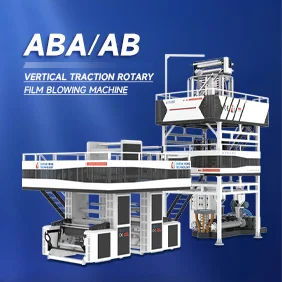
Multi-Layer Film Blowing Machines for High-Performance Packaging
In the highly competitive packaging industry, multilayer blown film extrusion machines have emerged as indispensable technology for producing high-performance films with exceptional strength, barrier protection, and process efficiency. From food packaging to medical applications, these advanced extrusion systems deliver superior performance through optimized layer combinations, co-extrusion technology, and precise process controls. This article explores the features, benefits, and applications of 3-layer, 5-layer, and 7-layer film blowing machines and explains why they’re becoming the backbone of modern packaging solutions.
What Are Multi-Layer Film Blowing Machines?
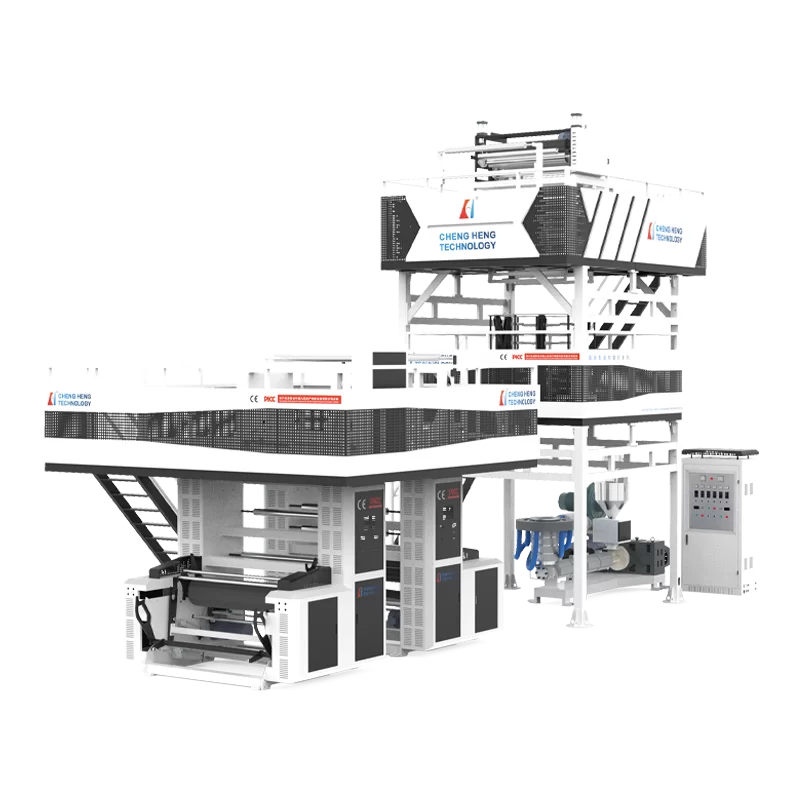
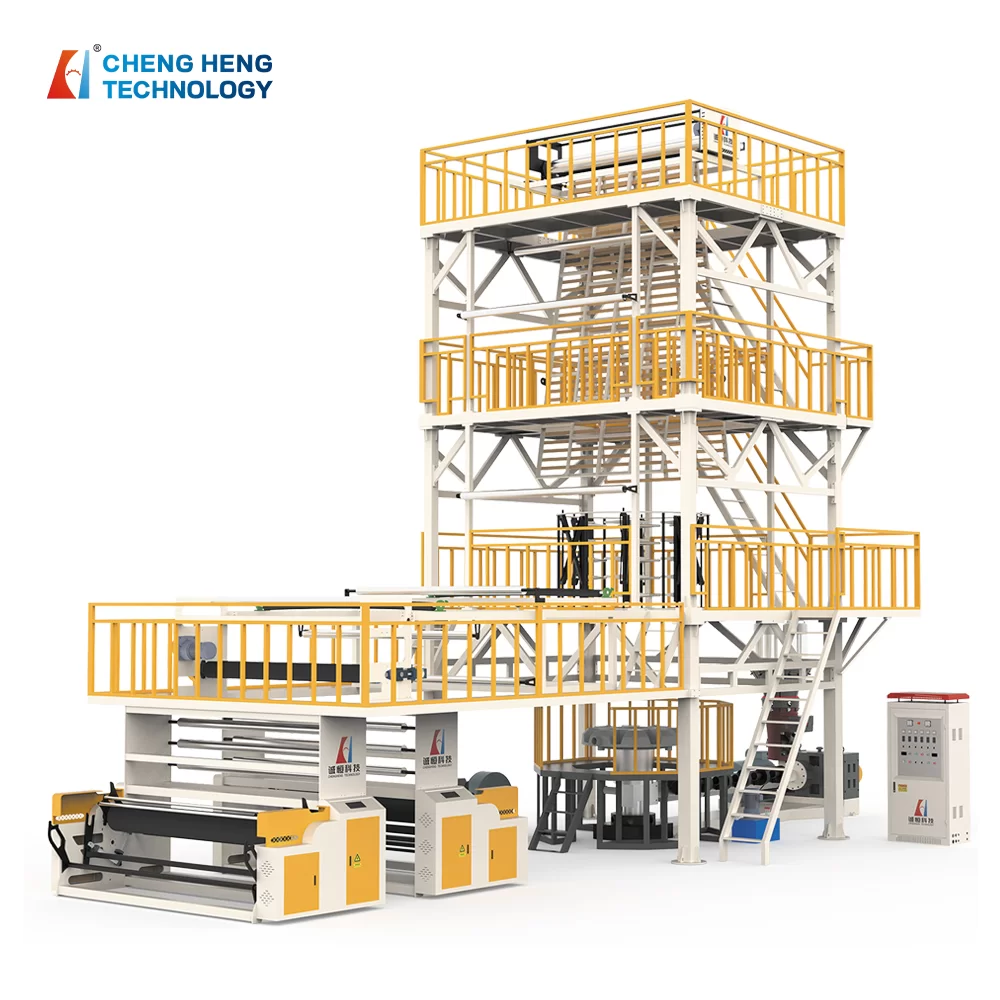
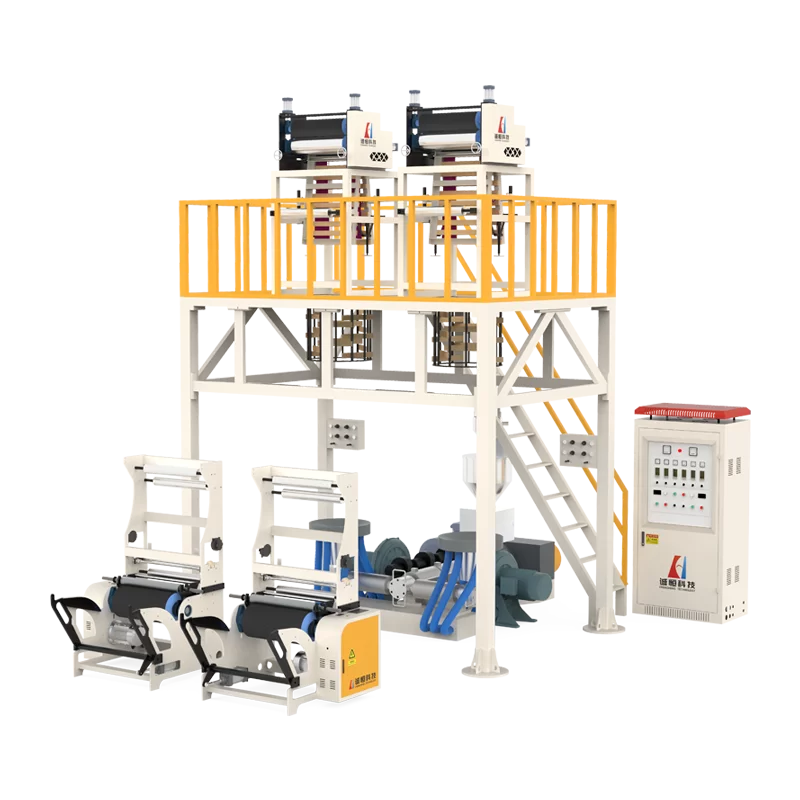
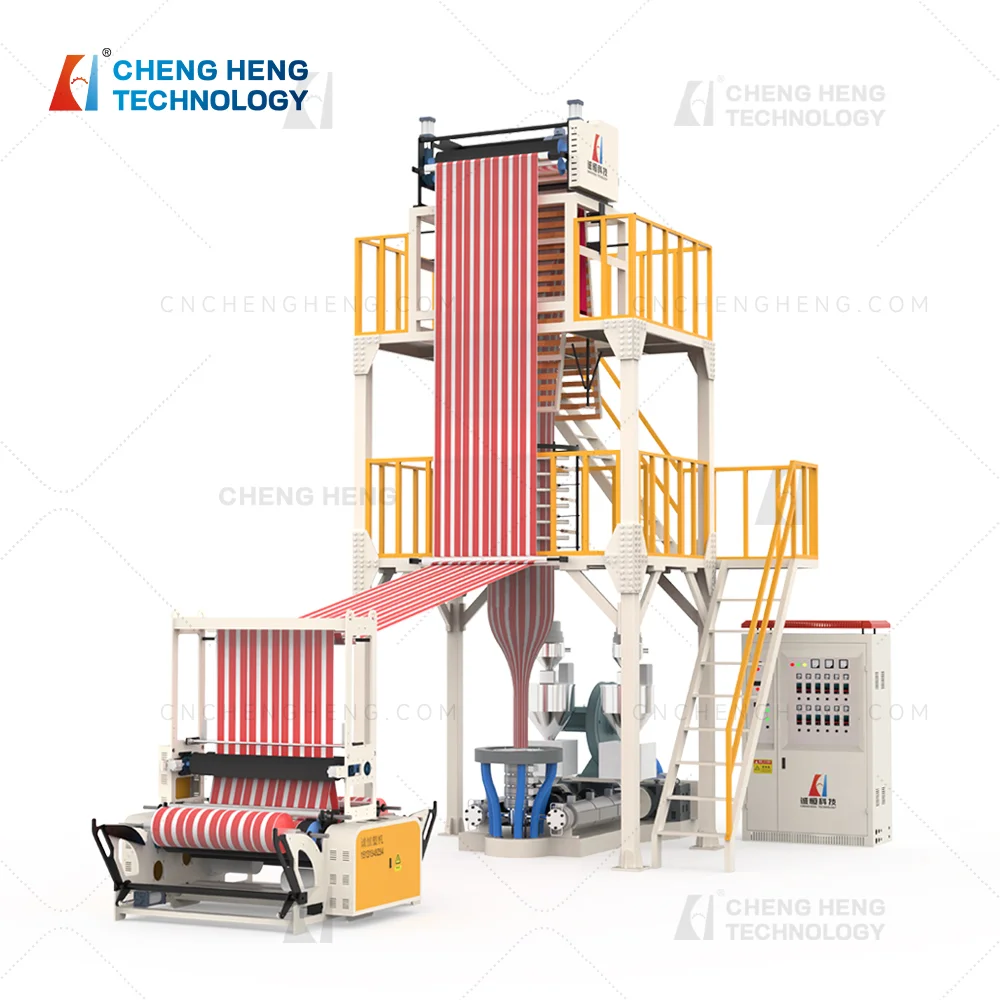
A film blowing machine produces thin plastic films by extruding molten polymer, inflating it into a bubble, cooling, and winding it into rolls. In contrast to single-layer systems, multi-layer film blowing machines combine multiple polymer layers through co-extrusion. This means several extruders feed molten plastics into a common die head, producing a unified laminated film with distinct layer properties.
Multi-layer films integrate various polymers such as LDPE, LLDPE, HDPE, EVA, PA (nylon), EVOH, and biodegradable resins — where each layer contributes specific mechanical or functional characteristics. The result is a film with synergistic benefits unmatched by single-layer products.
Why Multi-Layer Films Matter in High-Performance Packaging
Enhanced Barrier Properties
One of the most significant advantages of multi-layer films is their ability to create superior barrier properties. Individual polymer films lack the complete set of characteristics required for demanding packaging uses:
Moisture Barrier: Prevents water vapor transmission that can compromise product quality.
Oxygen Barrier: Protects against oxidation and spoilage in food and pharmaceuticals.
Flavor/Odor Barrier: Stops outside odors from entering and preserves internal aromas.
By combining polymers with complementary properties — for example, a moisture-resistant LDPE with a high-oxygen-barrier EVOH — manufacturers can optimize performance for specific packaging needs.
3-Layer Film Blowing Machines: Balanced Performance and Cost-Effectiveness
Structure and Function
A typical 3 layer blown film plant for sale has three distinct layers:
Outer Layer: Offers strength, printability, and environmental resistance.
Core Layer: Provides the main barrier and mechanical properties.
Inner Layer: Ensures sealability and product contact safety.
This configuration strikes an effective balance between performance and cost, making 3-layer films suitable for a wide range of standard packaging applications.
Applications
3-layer films are widely used in:
Snack Food Packaging: Protects against moisture and puncture damage.
Retail Bags: Balances durability with flexibility.
Agricultural Films: Provides UV stability and mechanical robustness.
By adjusting materials in each layer, blown film extrusion companies can tailor mechanical strength and barrier performance to meet specific requirements without excessive production costs.
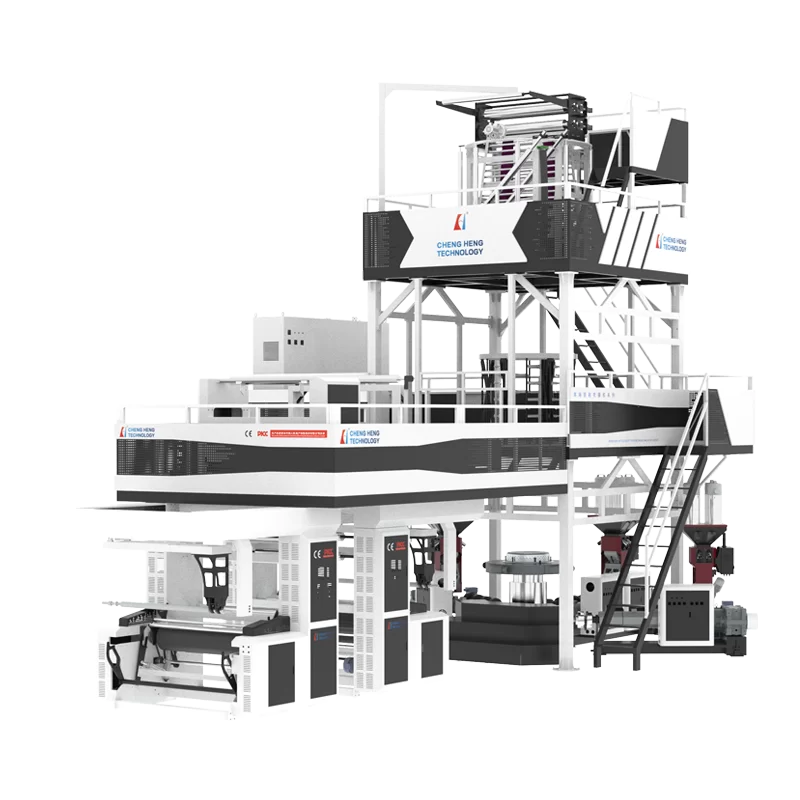
5-Layer Film Blowing Machines: Advanced Barrier and Strength
Structure and Advantages
5-layer blown films typically include:
Two outer layers for strength and printability
Two intermediate layers for improved adhesion and mechanical stability
A core functional layer for barrier protection
This configuration allows for more advanced material combinations, including:
Barrier resins (e.g., EVOH)
Tie layers to bond dissimilar polymers
Reinforcement polymers for tensile strength
Improved Properties
Compared with 3-layer films, 5-layer films deliver:
Greater oxygen and aroma barrier
Higher puncture and tear resistance
More consistent seal integrity
These benefits make 5-layer film blowing machines ideal for packaging that demands extra protection.
Applications
5-layer blown film machine dominates in sectors such as:
Frozen Food Bags: Superior moisture and freezer resistance.
Pharmaceutical Packaging: Maintains sterility and extends shelf life.
Industrial Liners: Withstands heavy loads and rough handling.
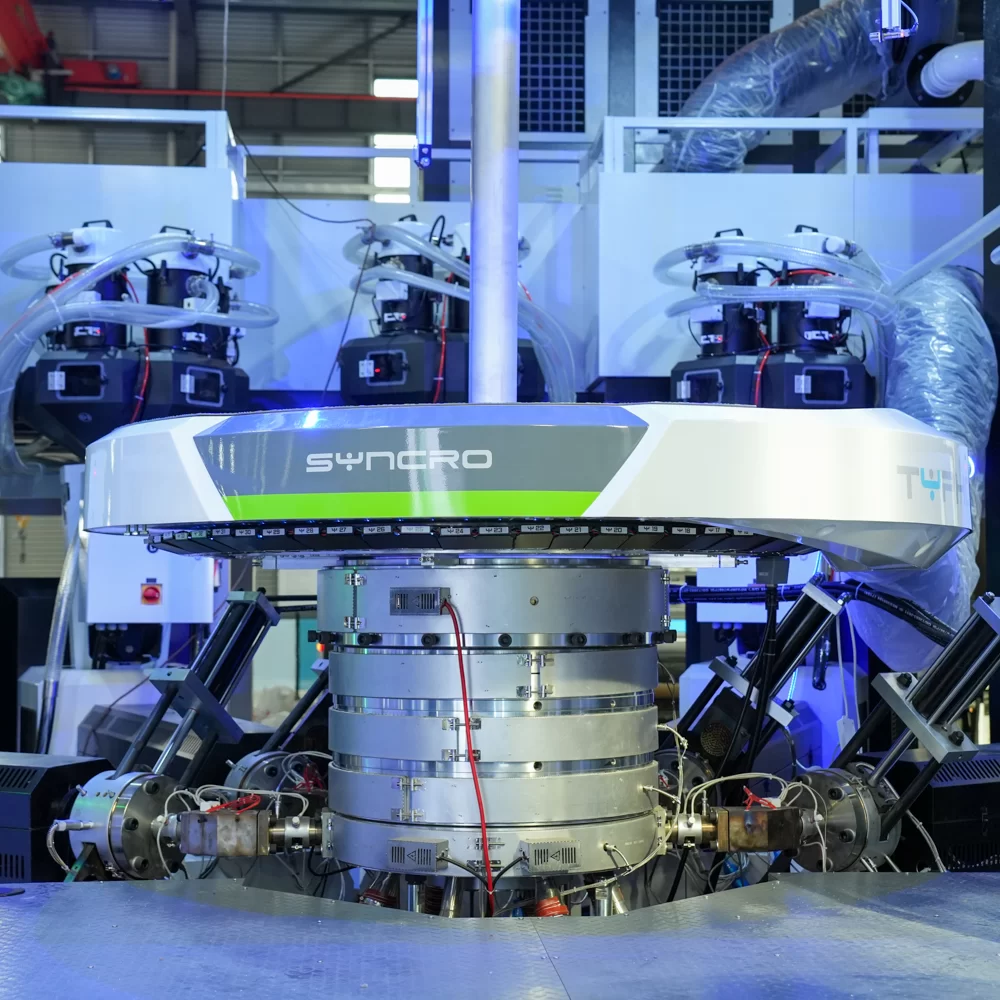
7-Layer Film Blowing Machines: Premium Performance for Critical Packaging
Sophisticated Layer Structures
In 7-layer blown film machines, the layer structure becomes even more complex and functional. These systems enable precise engineering of each layer to meet stringent performance targets:
Outer protective layers — mechanical strength, printability.
Intermediate layers — tie layers, impact modifiers.
Dual barrier layers — enhanced oxygen and gas resistance.
Core layers — specialized polymers for tailored functions.
Performance Benefits
The additional layers provide:
Ultra-high barrier performance
Exceptional mechanical strength
Optimal seal behavior
Customizable optical properties
Better process stability
Where 7-Layer Films Excel
Typical applications include:
Medical Packaging: Sterile wraps, barrier pouches, and surgical film.
Pharma Blister Foil Backings: Protect sensitive drugs from moisture and oxygen.
High-End Food Packaging: Ready meals and retortable films that endure extreme temperatures.
The engineering flexibility of 7-layer film blowing machines makes them indispensable where product integrity and longevity are non-negotiable.
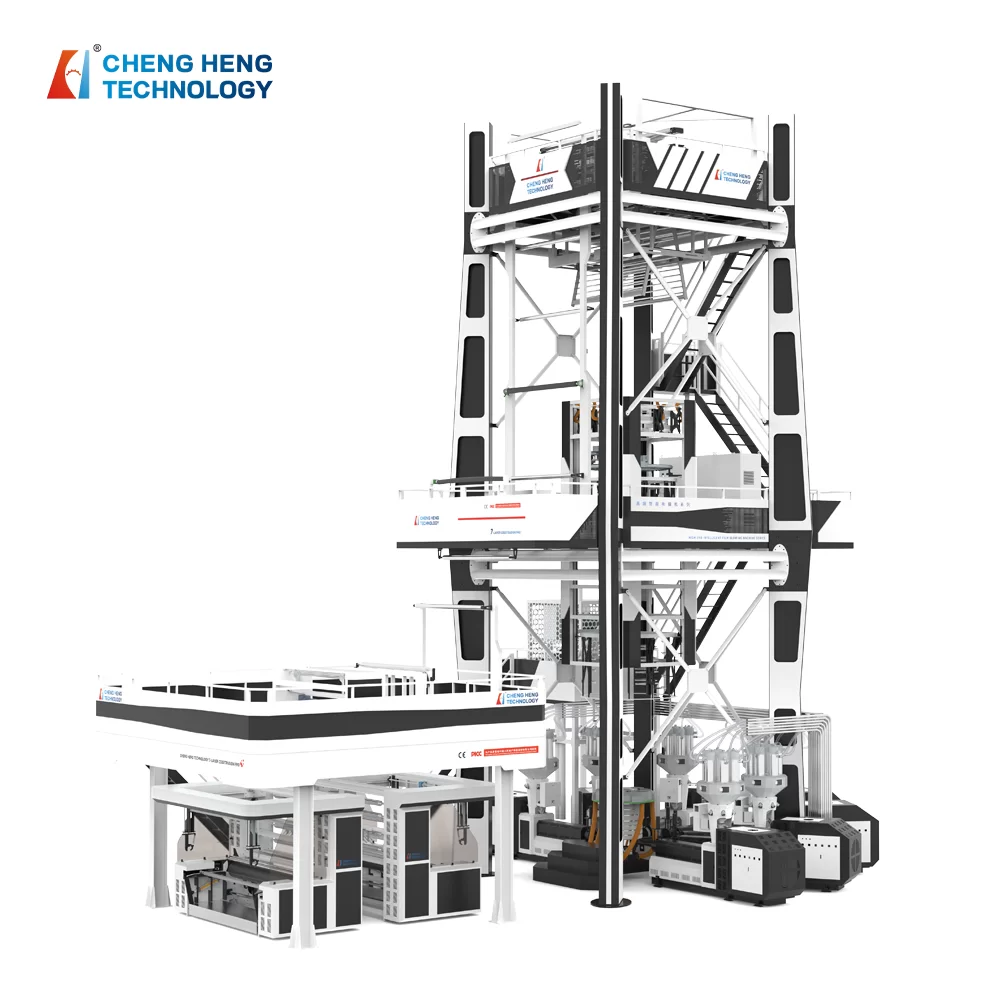
Co-Extrusion Technology: The Heart of Multi-Layer Film Blowing
How Co-Extrusion Works
Co-extrusion is the process of simultaneously extruding multiple molten polymers through a multi-manifold die head. In a typical multi-layer system:
Each extruder melts a specific polymer.
Melt streams converge at the die head.
The layered structure is maintained as the film bubble is formed.
Cooling and haul-off systems stabilize the film before wind-up.
The precision of the die design and process control is critical for achieving uniform layer thicknesses and consistent film quality. Modern co-extrusion systems also use in-line thickness measurement and automated gauge control to ensure optimal performance.
Key Benefits of Multi-Layer Films in Packaging
Superior Protection
Layered structures minimize gas and moisture transmission, helping extend product shelf life and maintain quality.
Customizable Mechanical Properties
By combining polymers, manufacturers can achieve targeted tensile strength, impact resistance, flexibility, and sealability.
Material Optimization
Multi-layer film blowing machines allow efficient use of expensive barrier materials by positioning them only where needed within the film structure.
Reduced Packaging Waste
Optimized multi-layer designs can deliver the desired barrier performance with thinner films, reducing material usage and cost.
Industrial and Market Trends
Sustainability and Circular Economy
Demand is rising for films that incorporate recycled content and bio-based polymers while maintaining high functionality. Multi-layer systems are adapting with compatibilizers and tie layers to incorporate sustainable resins without sacrificing performance.
Automation and Industry 4.0 Integration
Smart controls and real-time monitoring are improving production consistency, reducing downtime, and enhancing waste control — all of which are vital in high-speed packaging environments.
Food Safety and Regulatory Compliance
Advanced multi-layer films play a significant role in meeting stringent food safety standards by offering controlled barriers, traceability features, and sterilizable structures.
Conclusion
Multi-layer film blowing machines — especially 3-layer, 5-layer, and 7-layer systems — represent the cutting edge of packaging film technology. Their ability to deliver tailored barrier properties, mechanical strength, and application-specific performance has made them indispensable across food, medical, industrial, and consumer packaging sectors.
From balancing cost and performance in 3-layer films to achieving ultra-high protection with 7-layer systems, multi-layer co-extrusion opens doors to innovation and efficiency. As sustainability and automation trends accelerate, multi-layer film blowing machines will continue shaping the future of high-performance packaging.
Author Bio
Michael Chen is a senior packaging machinery content specialist with over 10 years of experience in plastic extrusion technology and industrial manufacturing marketing. He focuses on film blowing machines, multi-layer co-extrusion systems, and sustainable packaging solutions. Michael has collaborated with extrusion equipment manufacturers and packaging material suppliers worldwide, translating complex engineering concepts into practical, SEO-optimized technical content for global B2B audiences. His work helps manufacturers better understand advanced film structures, barrier materials, and production efficiency in high-performance packaging applications.