Comprehensive Guide to Film Blowing Machines Technology and Applications
Understanding Film Blowing Machines: A Comprehensive Guide
In the dynamic world of plastic packaging, film blowing machines are indispensable. These machines produce plastic film used in a vast array of applications, from food packaging to agricultural films. This article will delve into the intricacies of film blowing machines, covering their types, applications, working principles, and the latest advancements. Whether you’re a packaging professional or simply curious about the manufacturing process, this guide provides a thorough overview of this critical technology. We'll explore how choosing the right machine can dramatically improve efficiency and product quality.
Types of Film Blowing Machines
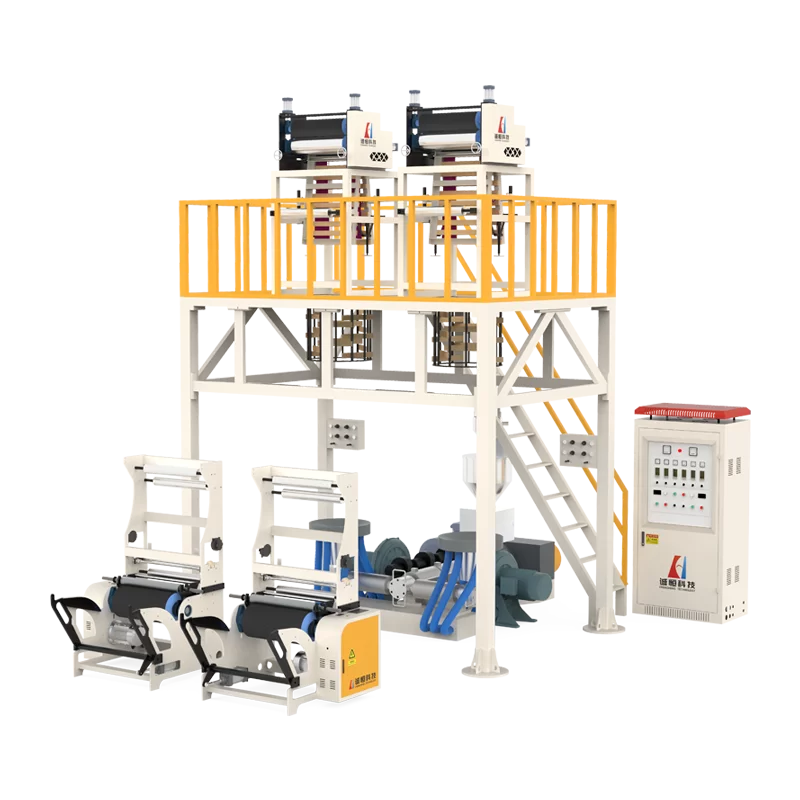
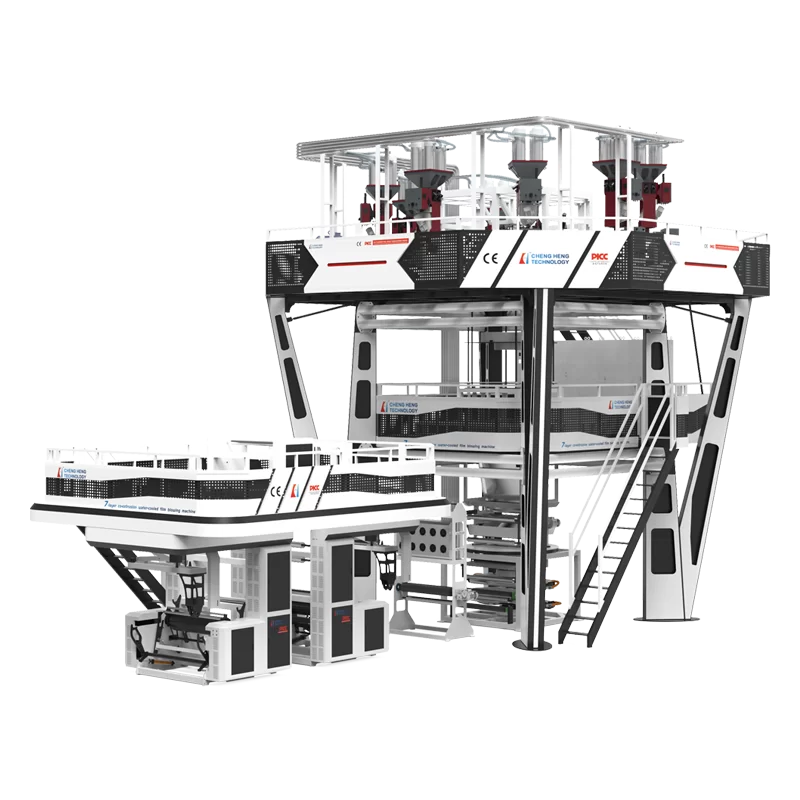
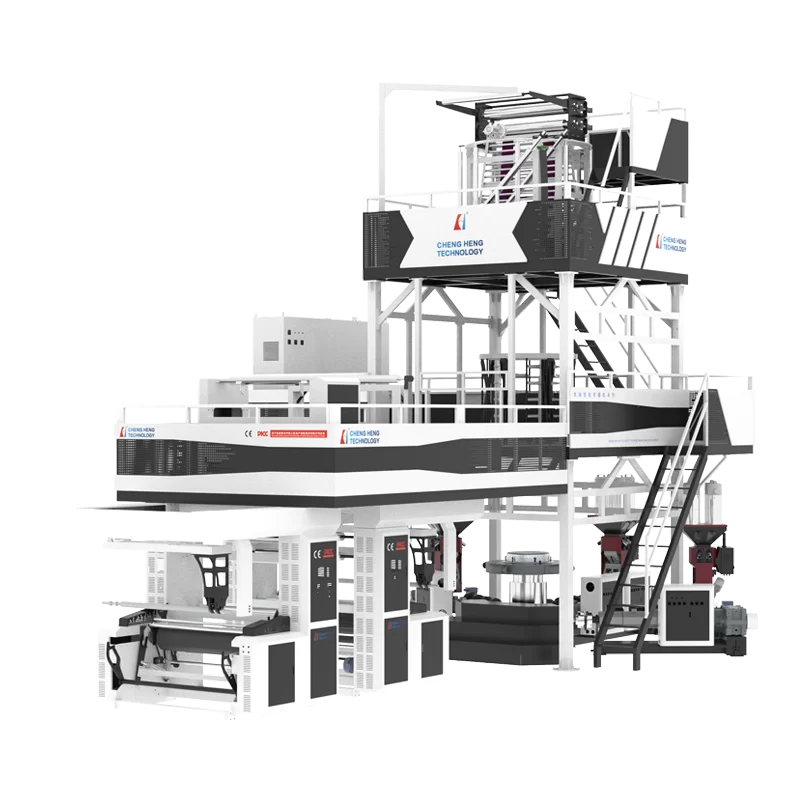
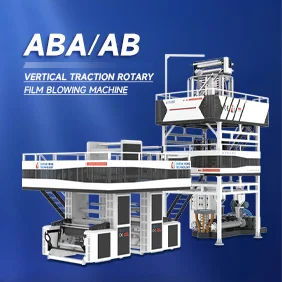
Film blowing machines come in several varieties, each suited for specific applications and production needs. The primary types include single-layer, double-layer, and multi-layer machines. Single-layer machines are the most basic and cost-effective, ideal for simple film applications. Double-layer machines allow for the production of films with different properties on each layer, such as improved strength or barrier properties. Multi-layer machines, capable of producing films with three or more layers, offer the greatest flexibility and are used for complex packaging requirements. Selecting the right type hinges on your desired film characteristics and production volume. CNCHSJ offers a wide selection of each type.
Key Highlights: Understanding the nuances of each machine type allows for optimized film production and cost-effectiveness. From simple applications to complex packaging, the correct machine is critical.
The Film Blowing Process: How it Works
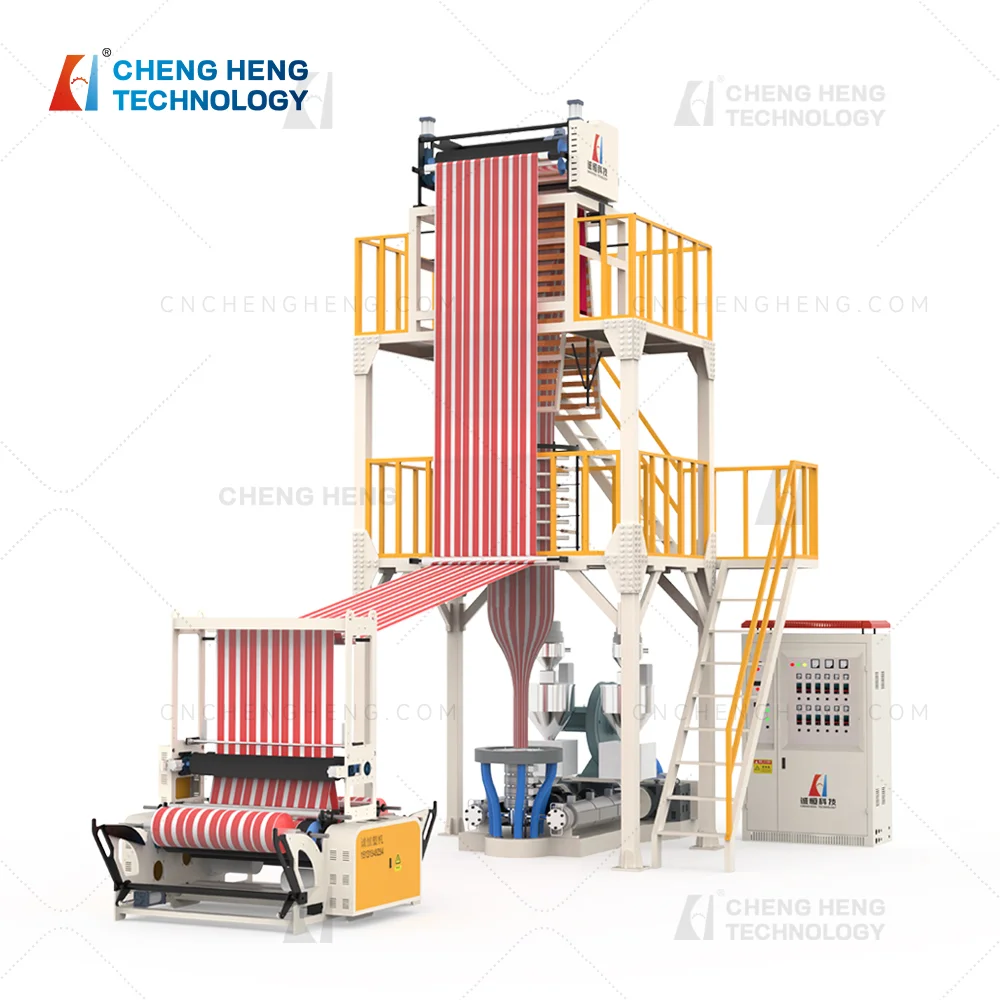
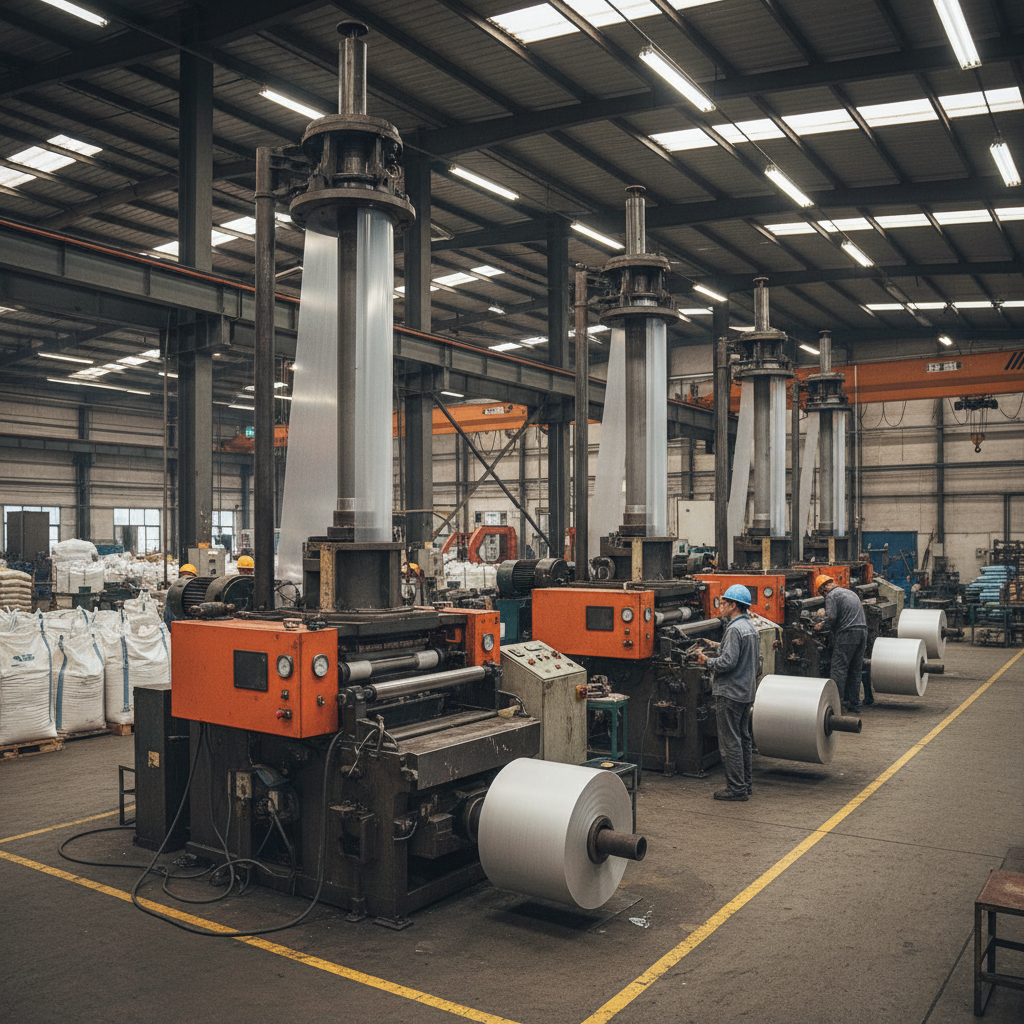
The film blowing process begins with plastic resin, typically polyethylene (PE), polypropylene (PP), or polyvinyl chloride (PVC), which is fed into an extruder. The extruder melts the resin and forces it through a circular die. As the molten plastic exits the die, it forms a bubble. Air is blown into the bubble, expanding it to the desired diameter and thickness. The bubble then rises vertically, where it is cooled by air rings. Finally, the film is flattened and wound onto rolls. Precise control over temperature, air pressure, and haul-off speed is vital for producing film with consistent quality and dimensions.
Key Steps in Film Blowing:
• Extrusion: Melting the plastic resin.
• Die Formation: Shaping the molten plastic into a bubble.
• Inflation: Expanding the bubble with air.
• Cooling: Solidifying the film.
• Winding: Rolling the finished film.
Film Blowing Machines: Comparing Key Features
Selecting the ideal film blowing machine requires careful consideration of several factors. Die type (circular or flat), extruder screw design, cooling system efficiency, and automation level all play crucial roles in determining the machine's performance and output. Here’s a comparative overview:
Applications of Film Blowing Machines
The films produced by these machines have an incredibly broad range of applications. They are integral to the food packaging industry, providing barrier protection for perishable goods. In agriculture, they are used to create greenhouse films and mulch films. Industrial applications include packaging for chemicals, construction materials, and consumer goods. Furthermore, film blowing machines contribute to the production of medical packaging, hygiene products, and a host of other essential items. The versatility of the process ensures its continued relevance across diverse sectors.
Latest Advancements in Film Blowing Technology
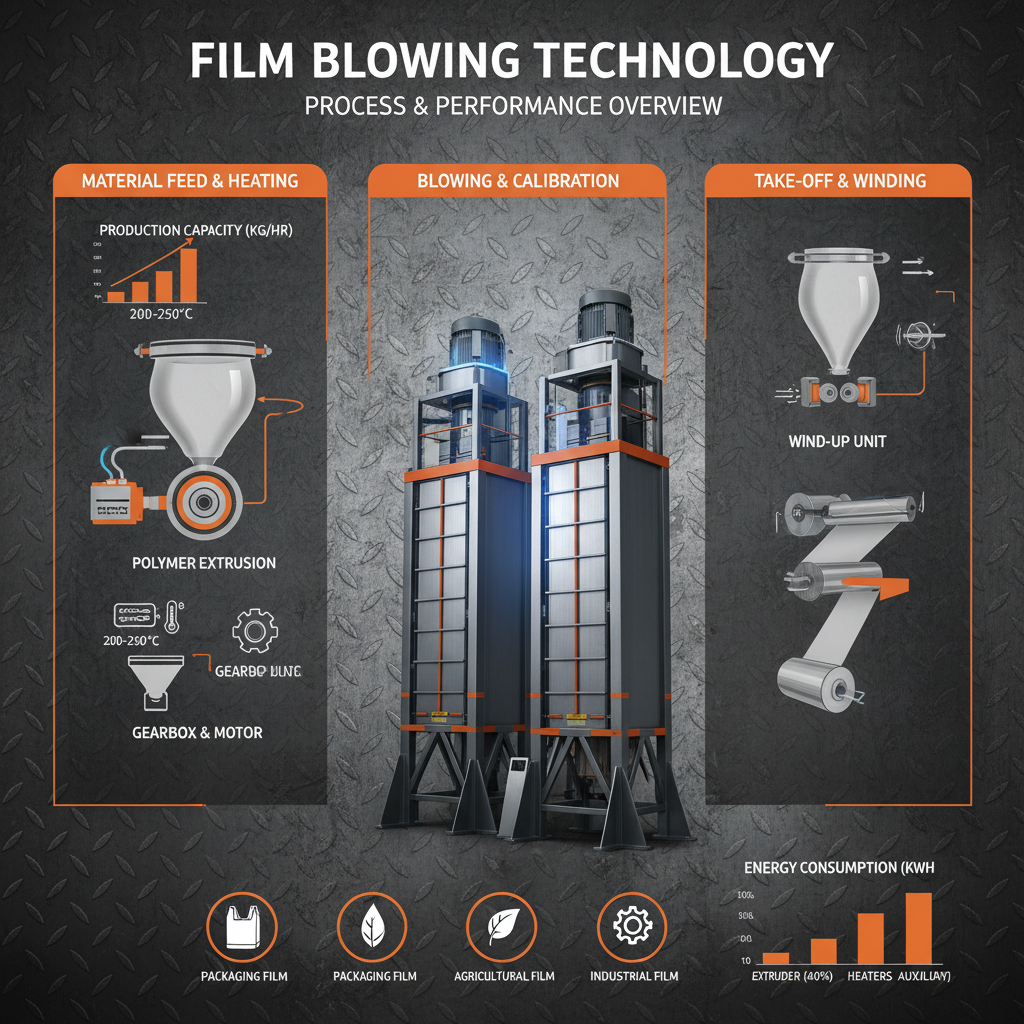
The field of film blowing is constantly evolving. Recent innovations include the development of more energy-efficient extruders, improved cooling systems for faster production speeds, and advanced automation features for reduced labor costs. Additionally, there’s a growing focus on sustainable materials and biodegradable films, driven by environmental concerns. CNCHSJ remains at the forefront of these advancements, offering cutting-edge solutions to meet the evolving needs of the packaging industry.
Conclusion: Choosing the Right Film Blowing Machine
Investing in the right film blowing machine is critical for optimizing production efficiency, ensuring product quality, and staying competitive in the dynamic packaging industry. Consider your specific application requirements, desired film properties, and budget constraints when making your decision. CNCHSJ provides a comprehensive range of machines and expert guidance to help you find the perfect solution.
Frequently Asked Questions (FAQs)
What materials can be used in a film blowing machine?
Film blowing machines are versatile and can process a variety of thermoplastic materials. The most common include polyethylene (PE) – LDPE, LLDPE, and HDPE – polypropylene (PP), and polyvinyl chloride (PVC). Other materials like EVOH (ethylene vinyl alcohol) and polyamide can also be used, often in multi-layer applications to enhance barrier properties. Material selection depends on the desired film properties, such as strength, flexibility, and barrier performance. It’s important to ensure the extruder and die are compatible with the chosen material.
How do I maintain a film blowing machine?
Regular maintenance is crucial for ensuring the longevity and optimal performance of your film blowing machine. This includes daily cleaning of the die and extruder, periodic inspection of the cooling system, and lubrication of moving parts. Check the heater bands regularly for proper functioning and inspect the haul-off system for wear. Following the manufacturer's maintenance schedule and utilizing high-quality spare parts will minimize downtime and prevent costly repairs.
What is the typical production capacity of a film blowing machine?
Production capacity varies significantly depending on the machine size, type, and material being processed. Smaller machines may produce around 50-100 kg of film per hour, while larger, high-speed machines can exceed 500 kg per hour. Factors like film thickness, width, and the number of layers also impact production rates. Optimizing process parameters and utilizing automated systems can help maximize output.
How much does a film blowing machine cost?
The cost of a film blowing machine can range from $30,000 for a basic single-layer machine to $500,000 or more for a high-speed, multi-layer machine with advanced automation. Factors influencing the price include the machine's capacity, features, level of automation, and the manufacturer. It's important to consider the total cost of ownership, including installation, maintenance, and operating expenses, when evaluating different options.