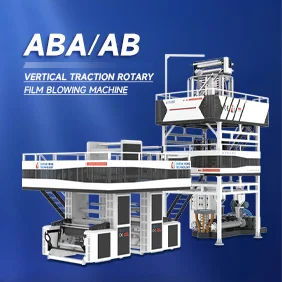
Comprehensive Guide to Blow Film Plants and Their Applications
Understanding Blow Film Plants: A Comprehensive Guide
Blow film plants are essential for producing plastic film used in a vast array of applications, from food packaging to industrial liners. This article delves into the intricacies of these plants, exploring their components, processes, applications, and the latest advancements. We'll cover the key considerations when selecting a blow film plant and how CNCHSJ can provide tailored solutions to meet your specific needs. Understanding the nuances of blow film extrusion is crucial for businesses reliant on high-quality plastic film production.
What is a Blow Film Plant?
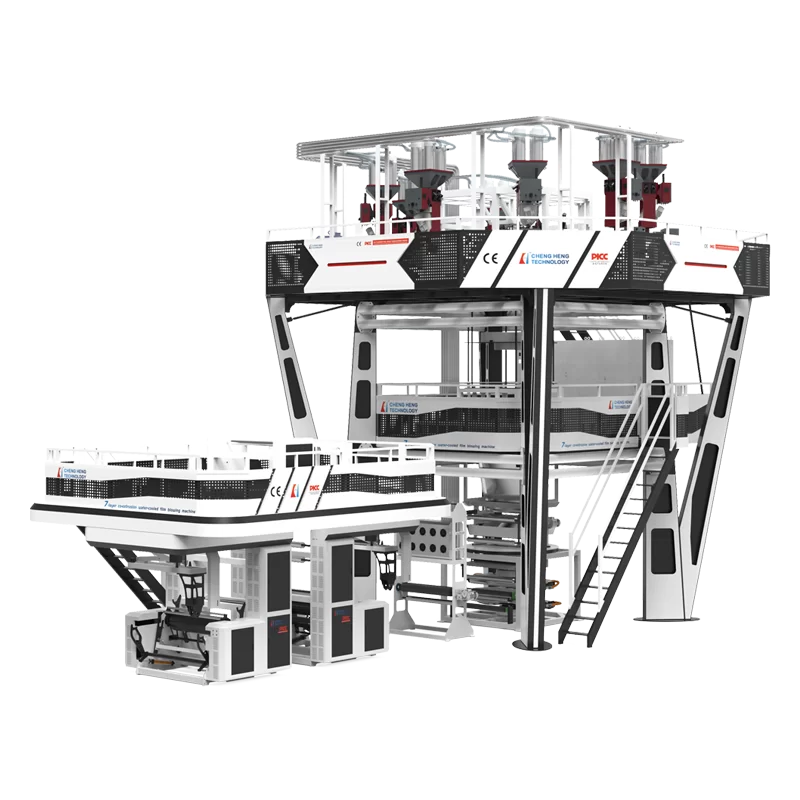
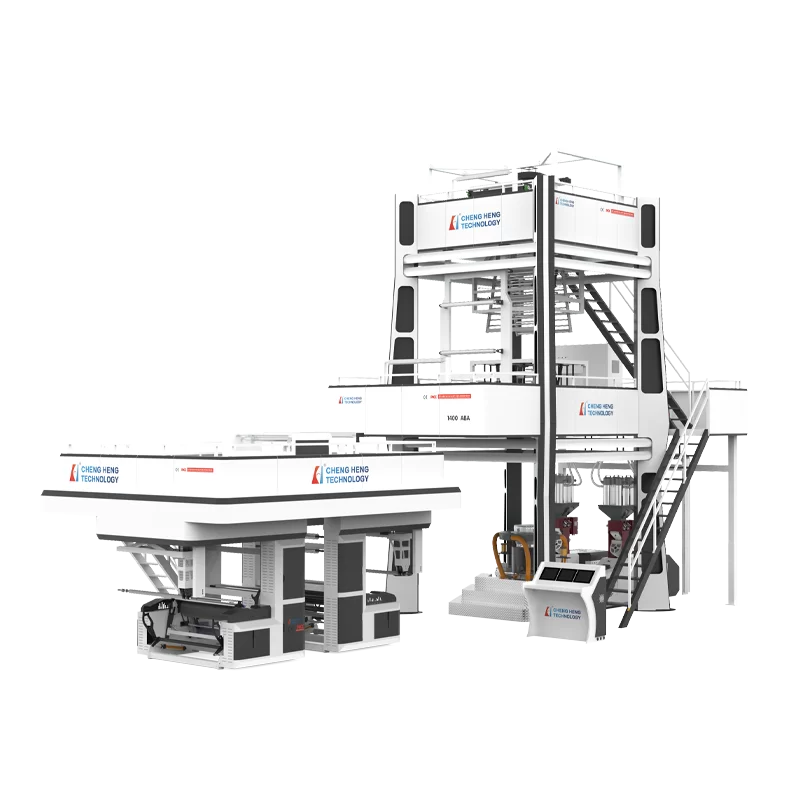
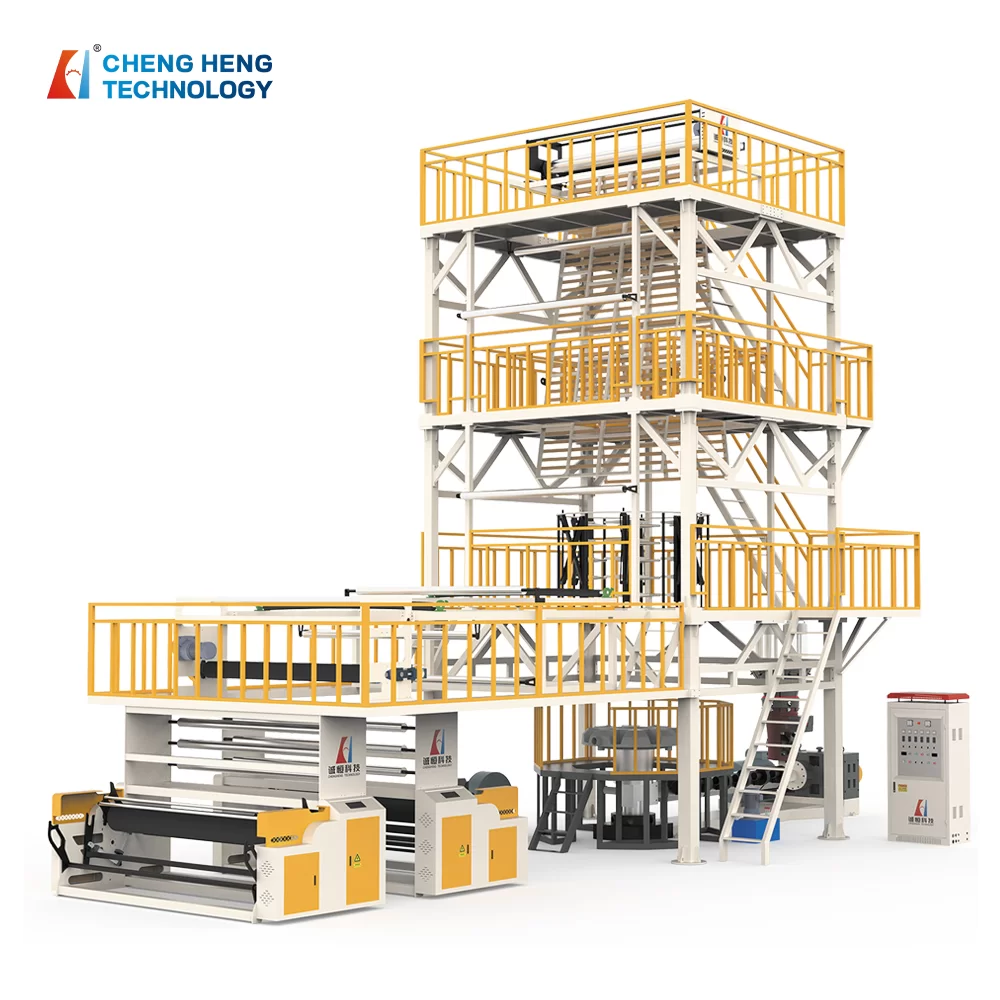
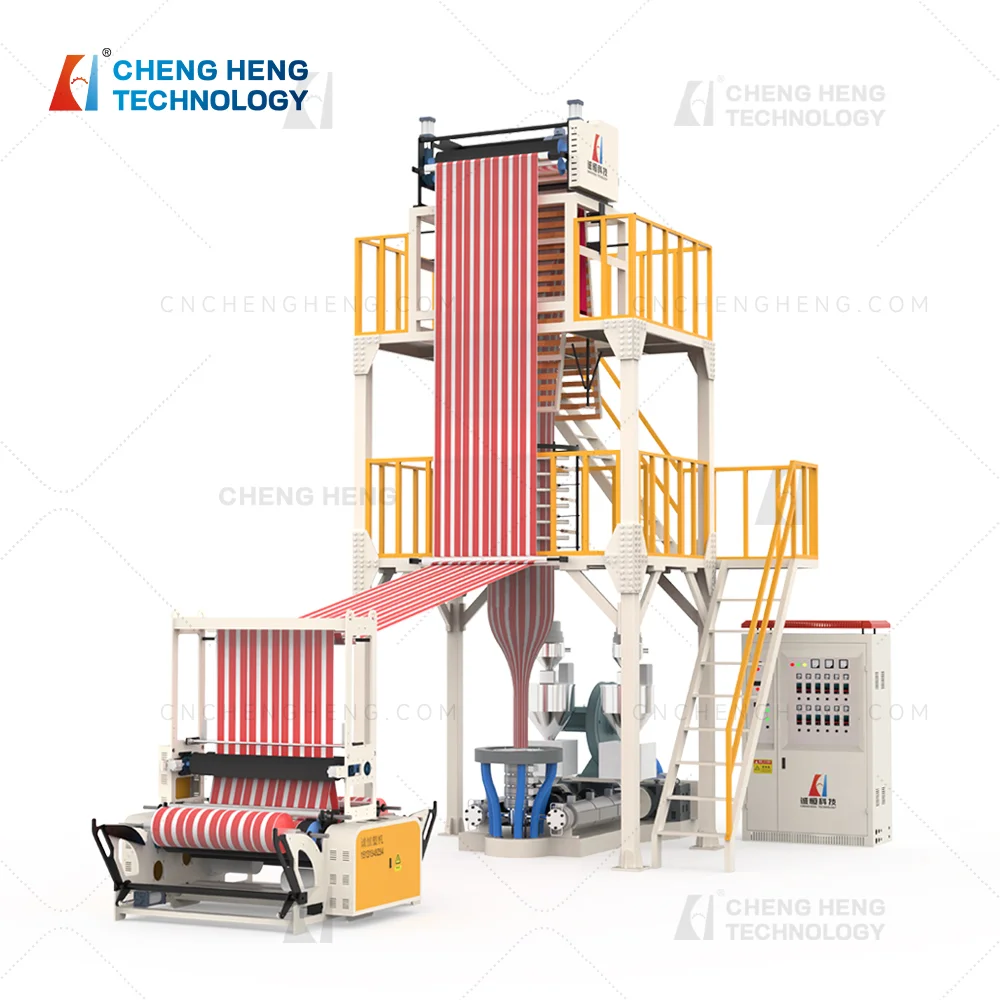
A blow film plant is a specialized manufacturing facility dedicated to the production of plastic film. It utilizes the process of melt extrusion to create a thin tubular film, which is then inflated with air to achieve the desired thickness and width. This film is then cooled, collapsed, and wound onto rolls for further processing. The core of the plant comprises an extruder, die head, inflation tower, and winding system. These components work in unison to produce consistent, high-quality film.
Key Benefit: Blow film plants offer a cost-effective and efficient method for producing large volumes of plastic film, essential for numerous industries.
Key Components of a Blow Film Plant
Several critical components work together in a blow film plant to create the final product. The extruder melts the plastic resin. The die head shapes the molten plastic into a tubular form. The inflation tower cools the film while it is inflated. Finally, the winding system rolls the finished film for transport. The control system, often PLC-based, monitors and adjusts parameters like temperature, pressure, and film thickness to ensure consistent quality. Regular maintenance of each component is crucial for efficient operation. CNCHSJ provides comprehensive support for all plant components.
Blow Film Plant Types & Specifications
Blow film plants come in various configurations, primarily categorized by their output capacity and automation level. Single-layer, double-layer, and multi-layer plants cater to different application requirements. The choice depends on the desired film properties, such as barrier protection, strength, and clarity. Below is a comparison of common plant specifications:
Applications of Blow Film
The versatility of blow film makes it critical to numerous industries. Food packaging (bags, pouches), agricultural film (mulch, greenhouse covers), industrial packaging (liners, shrink wrap), and medical packaging (sterile bags) all rely on blow film. The specific plastic resin used – LDPE, HDPE, LLDPE, or blends – dictates the film's properties and suitability for different applications. CNCHSJ can assist in selecting the optimal plant configuration for your target applications.
Choosing the Right Blow Film Plant Provider
Selecting a reliable provider is crucial for a successful blow film plant investment. Consider factors such as plant design, automation capabilities, after-sales service, and technical support. CNCHSJ offers customized blow film solutions, encompassing plant design, manufacturing, installation, and ongoing support. We prioritize quality, efficiency, and customer satisfaction, ensuring a long-term partnership built on trust and innovation.
Conclusion: Investing in Quality Blow Film Technology
Investing in a high-quality blow film plant is a strategic decision that can significantly enhance your production capabilities and profitability. CNCHSJ provides comprehensive solutions tailored to your specific needs, ensuring a seamless and efficient production process. Contact us today to discuss your requirements and discover how we can help you achieve your business goals.
Frequently Asked Questions (FAQs)
What types of plastic resins are commonly used in blow film extrusion?
Low-Density Polyethylene (LDPE) is widely used for its flexibility and clarity, often used in packaging films. High-Density Polyethylene (HDPE) provides greater strength and barrier properties, suitable for industrial liners. Linear Low-Density Polyethylene (LLDPE) offers enhanced tensile strength and puncture resistance, making it ideal for stretch film. Blends of these resins are also common to achieve specific desired properties. The resin choice depends on the final application requirements and performance characteristics needed.
What maintenance is required for a blow film plant?
Regular maintenance is critical for efficient operation. This includes cleaning the extruder die, inspecting the inflation tower for obstructions, lubricating moving parts, and checking the winding system. Electrical components should be regularly inspected for wear and tear. It's recommended to establish a preventative maintenance schedule and train personnel on proper maintenance procedures. CNCHSJ offers comprehensive maintenance packages and technical support.
What are the benefits of multi-layer blow film plants?
Multi-layer blow film plants allow for the creation of films with enhanced properties. Different layers can be used to provide barrier protection against oxygen, moisture, or light; increase strength and puncture resistance; or improve printability. This versatility enables the production of films tailored to specific packaging requirements, such as extending the shelf life of food products or protecting sensitive materials.