Comprehensive Guide to Blown Film Extrusion Technology and PPT Resources
Understanding Blown Film Extrusion: A Comprehensive Guide & PPT Resources
Blown film extrusion is a widely used process for manufacturing plastic film, essential for packaging, agricultural films, and various industrial applications. This article delves into the intricacies of this process, covering its principles, components, applications, and resources, including valuable blown film extrusion PPT presentations. Whether you're a seasoned professional or new to the field, this guide provides a comprehensive overview of blown film extrusion technology and its significance in the plastics industry. Understanding the nuances of this process is key to optimizing production and ensuring high-quality film output.
The Blown Film Extrusion Process Explained
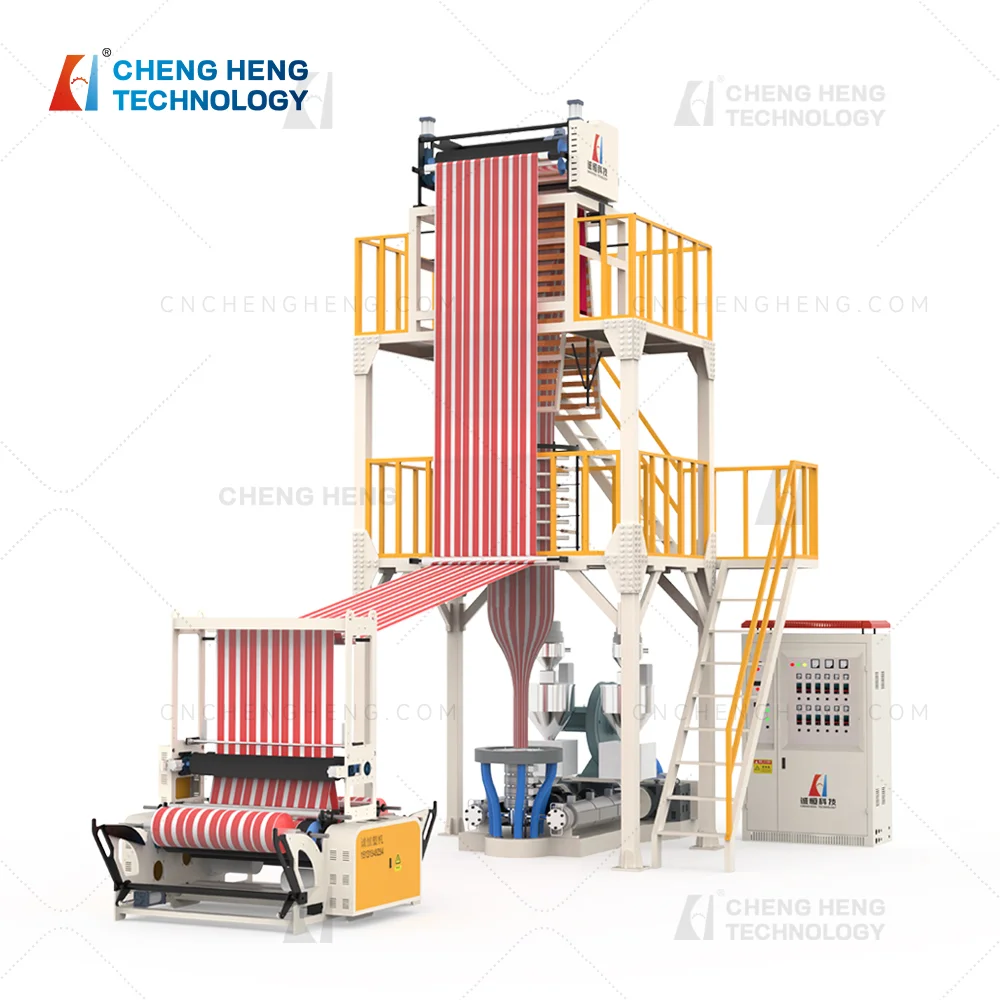
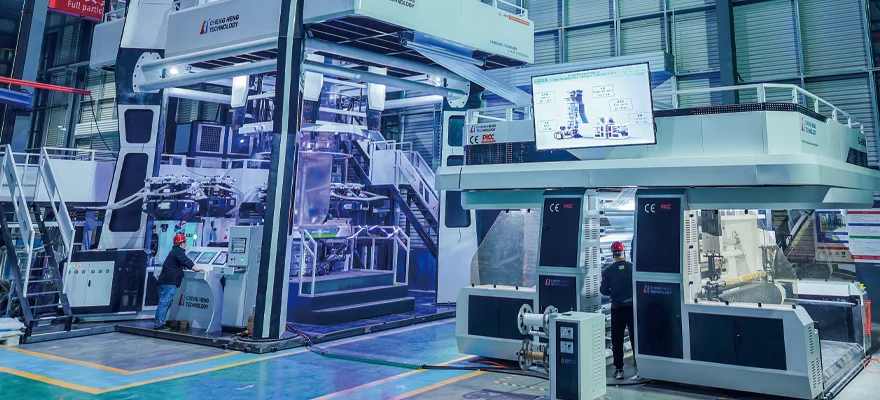
The blown film extrusion process begins with plastic resin, typically polyethylene (PE), polypropylene (PP), or polyvinyl chloride (PVC), being fed into a hopper. The resin is then conveyed to an extruder where it's heated and melted. The molten plastic is forced through a circular die, forming a tube. This tube is then inflated with air, expanding it into a thin film bubble. As the bubble rises, it cools and solidifies, and is then collapsed, flattened, and wound onto rolls. Precise control of temperature, air pressure, and haul-off speed are vital to produce film of consistent thickness and quality. The entire process is often visualized and explained through detailed blown film extrusion ppt resources.
Key Process Steps: Feeding, Extrusion, Inflation, Cooling, Collapse & Winding. Each step requires precise control to achieve desired film properties.
Key Components of a Blown Film Extrusion Line
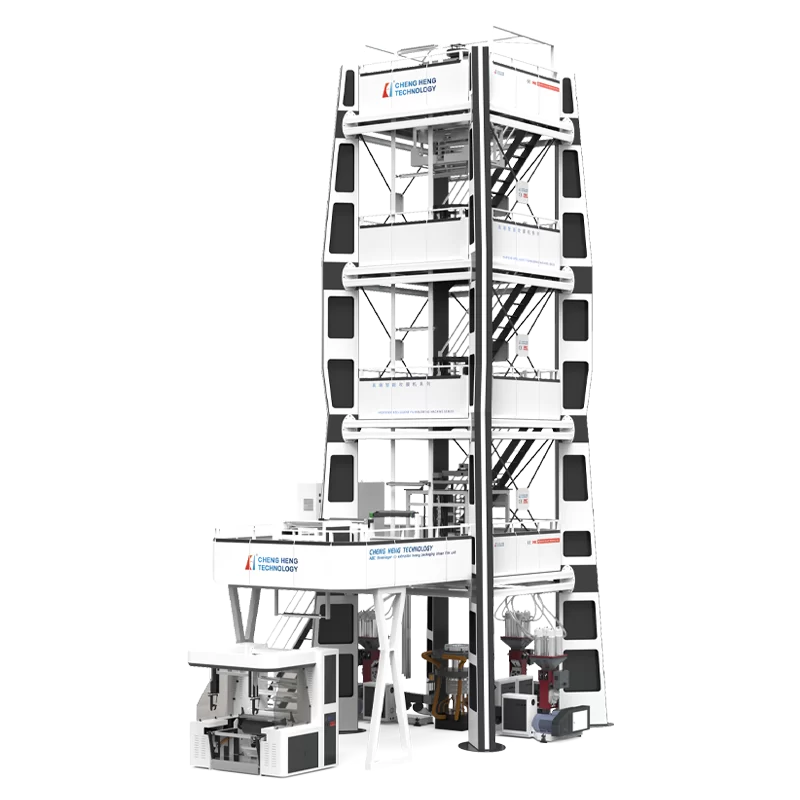
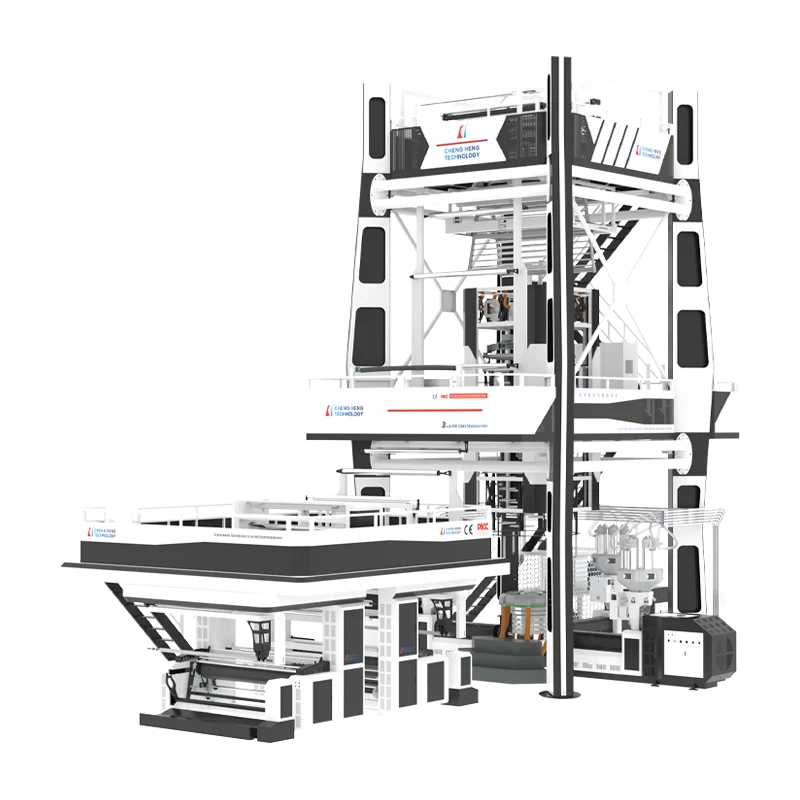
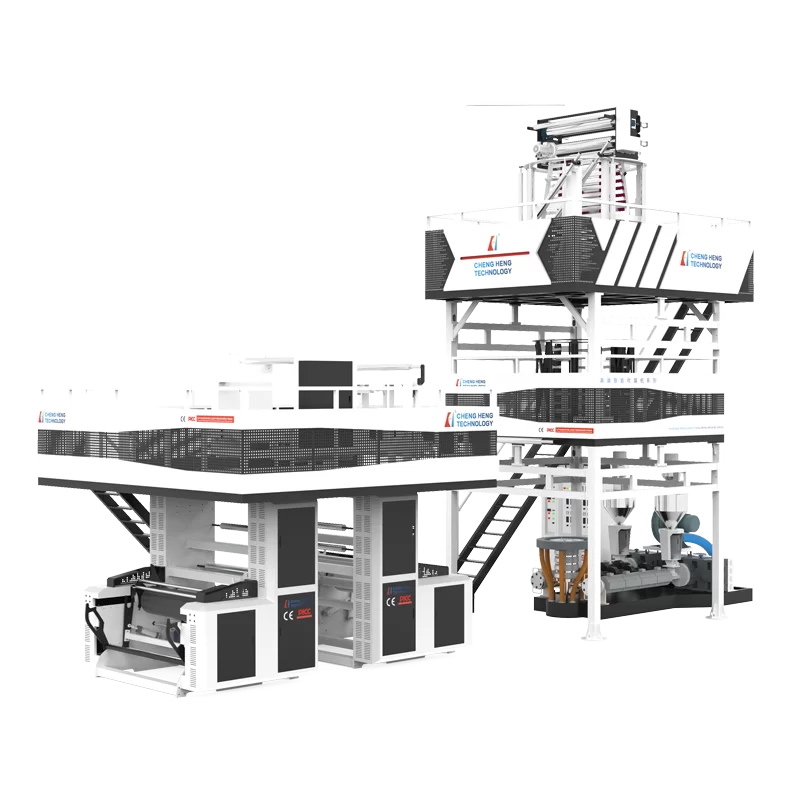
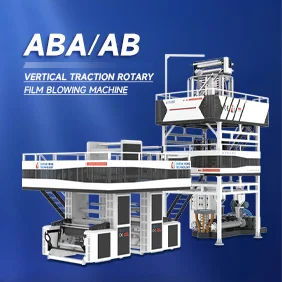
A typical blown film extrusion line comprises several key components. These include the extruder (single or twin-screw), die head, air ring, collapsing unit, haul-off rollers, and winding system. The extruder melts and homogenizes the plastic resin. The die head shapes the molten plastic into a tube. The air ring provides cooling air to solidify the film. The collapsing unit folds the film flat, and the haul-off rollers maintain consistent tension. Finally, the winding system rolls the finished film for storage and transportation. High-quality blown film extrusion ppt presentations often include detailed diagrams of these components.
Blown Film Extrusion vs. Cast Film Extrusion: A Comparative Analysis
While both blown film and cast film extrusion create plastic film, they differ significantly in their process and resulting film properties. Blown film offers better transverse strength and is ideal for applications requiring high stretchability, like grocery bags. Cast film, produced by quenching the molten plastic onto a chilled roller, results in films with superior clarity and flatness, commonly used for packaging requiring high visibility. Here's a quick comparison:
Applications of Blown Film
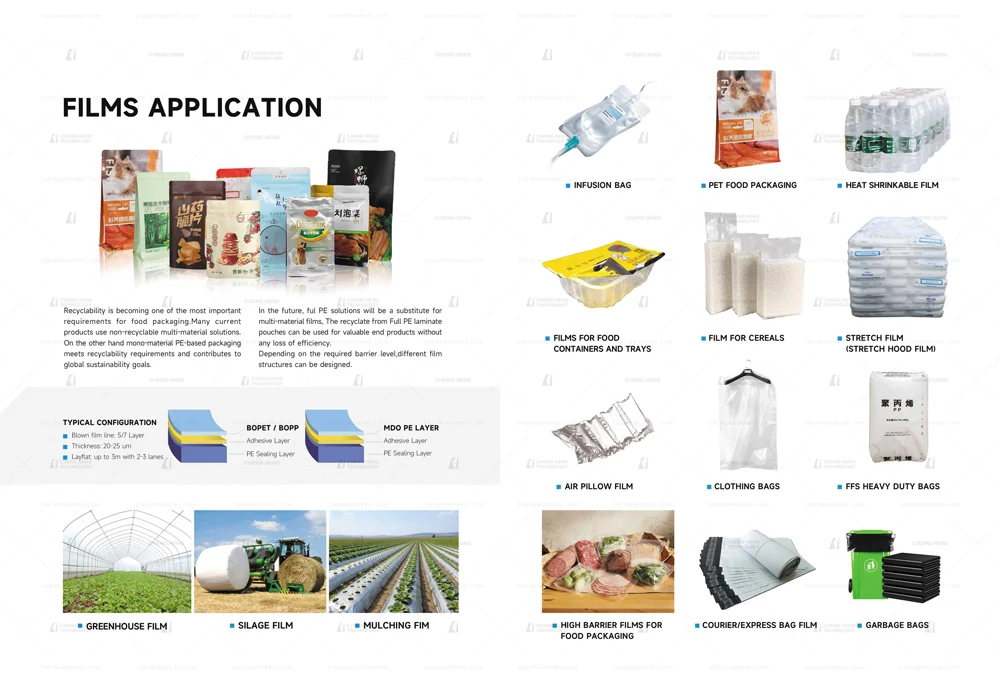
The versatility of blown film makes it ideal for a wide range of applications. Packaging is a major use, including food packaging, industrial liners, and retail bags. Agricultural films utilize blown film for greenhouse coverings and mulch films. The medical industry uses it for sterile packaging. Furthermore, blown film is used in the production of laminated films, shrink films, and protective coverings. The ability to customize film properties – thickness, strength, clarity – makes it suitable for countless specialized applications. Many blown film extrusion ppt presentations showcase these diverse applications.
Finding Valuable Blown Film Extrusion PPT Resources
Comprehensive blown film extrusion ppt resources are vital for understanding and optimizing this process. These presentations often cover process control, troubleshooting, equipment maintenance, and new technologies. CNCHSJ provides access to a range of high-quality resources, including detailed PPT presentations, technical specifications, and expert advice. These resources are invaluable for training, presentations, and continuous improvement initiatives within the plastics industry.
Conclusion: Mastering Blown Film Extrusion
Understanding the principles and intricacies of blown film extrusion is essential for success in the plastics industry. By leveraging resources like detailed blown film extrusion ppt presentations and focusing on process optimization, businesses can enhance efficiency, improve product quality, and maintain a competitive edge. CNCHSJ remains dedicated to providing cutting-edge solutions and educational resources for the blown film extrusion sector.
Frequently Asked Questions (FAQs)
What types of plastics are commonly used in blown film extrusion?
The most common plastics used in blown film extrusion are polyethylene (PE), encompassing Low-Density Polyethylene (LDPE), Linear Low-Density Polyethylene (LLDPE), and High-Density Polyethylene (HDPE). Polypropylene (PP) is also frequently used, offering higher strength and temperature resistance. Polyvinyl Chloride (PVC) is utilized for specialized applications requiring rigidity and chemical resistance. The choice of plastic depends on the desired film properties, such as strength, clarity, flexibility, and barrier properties. These are explained in detail in comprehensive blown film extrusion ppt resources.
How do you control the thickness of the blown film?
Film thickness is controlled by adjusting several parameters, including the extruder screw speed, die gap, air pressure, and haul-off speed. Increasing the extruder speed generally increases the film thickness, while widening the die gap also results in thicker film. Adjusting the air pressure influences the bubble's diameter and, consequently, its thickness. Precise control of these parameters is crucial for maintaining consistent film thickness. Modern blown film extrusion lines utilize automated control systems to achieve optimal thickness control. You can find detailed explanations of these techniques in blown film extrusion ppt materials.
What are the common defects in blown film and how can they be prevented?
Common defects include necking, wrinkling, pinholes, and uneven thickness. Necking is often caused by uneven cooling or excessive stretching. Wrinkling can result from insufficient air pressure or improper haul-off speed. Pinholes often indicate contamination in the resin. Uneven thickness is typically due to variations in temperature or die gap. Prevention involves maintaining consistent process parameters, using high-quality resin, and implementing regular equipment maintenance. Blown film extrusion ppt presentations often feature troubleshooting guides to address these issues.
What is the role of the air ring in blown film extrusion?
The air ring is a critical component responsible for cooling the extruded plastic tube. It delivers a consistent flow of air around the bubble, solidifying the plastic into a film. The air ring’s design and airflow rate significantly impact film quality. Improper cooling can lead to defects like wrinkling or uneven thickness. Modern air rings often feature adjustable airflow patterns to optimize cooling efficiency and ensure uniform film cooling. Understanding the air ring's function is key, and this information is readily available in comprehensive blown film extrusion ppt resources.