Comprehensive Guide to Selecting Blown Film Extrusion Manufacturers
Blown Film Extrusion Manufacturers: A Comprehensive Guide
The demand for high-quality plastic films is constantly growing across various industries, from packaging and agriculture to construction and automotive. This drives the need for reliable and efficient blown film extrusion manufacturers. This article will delve into the world of blown film extrusion, outlining what to look for in a manufacturer, the key processes involved, and the factors influencing quality. We'll cover everything from choosing the right materials to understanding the latest technological advancements. Choosing the right partner is crucial for ensuring consistent product quality, competitive pricing, and timely delivery.
Understanding the Blown Film Extrusion Process
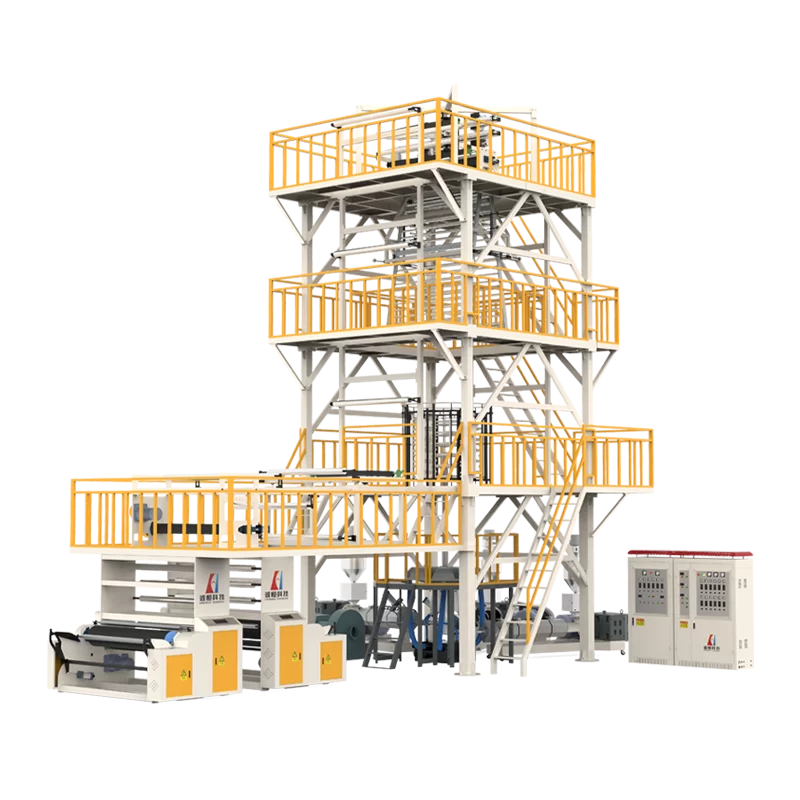
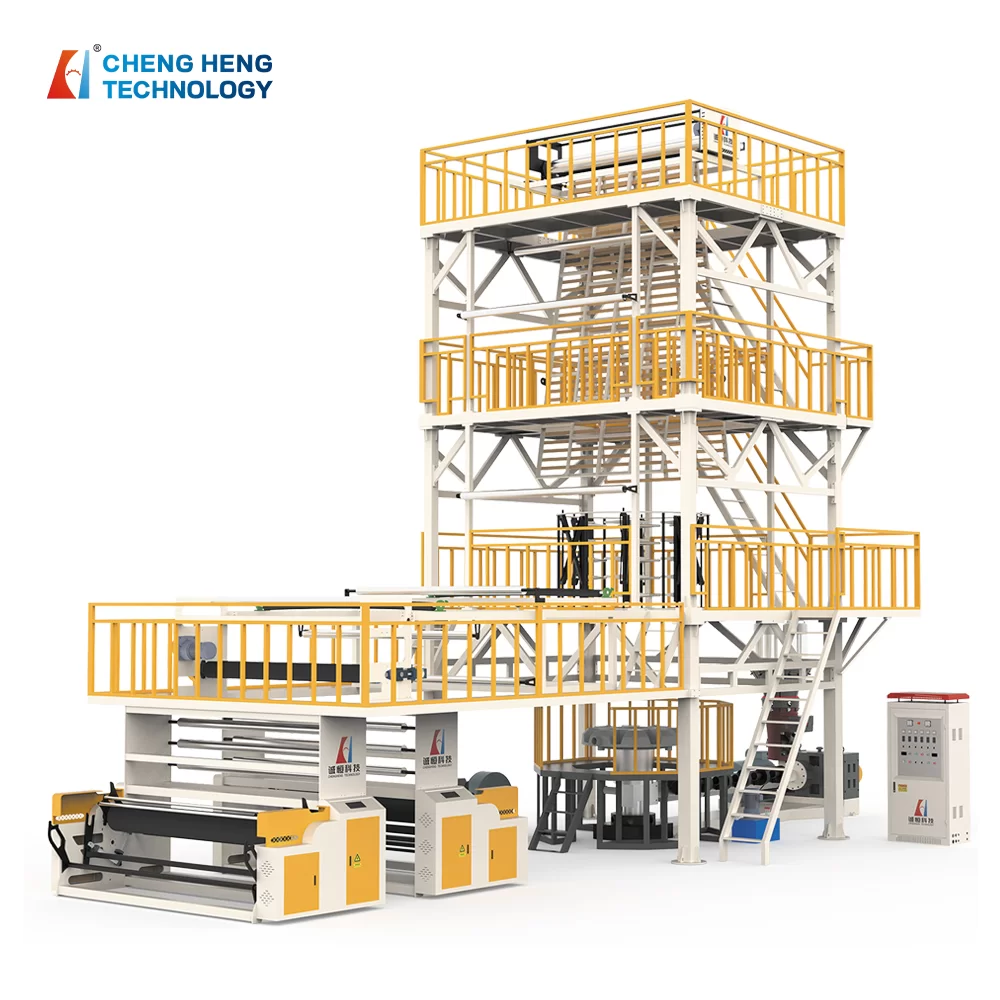
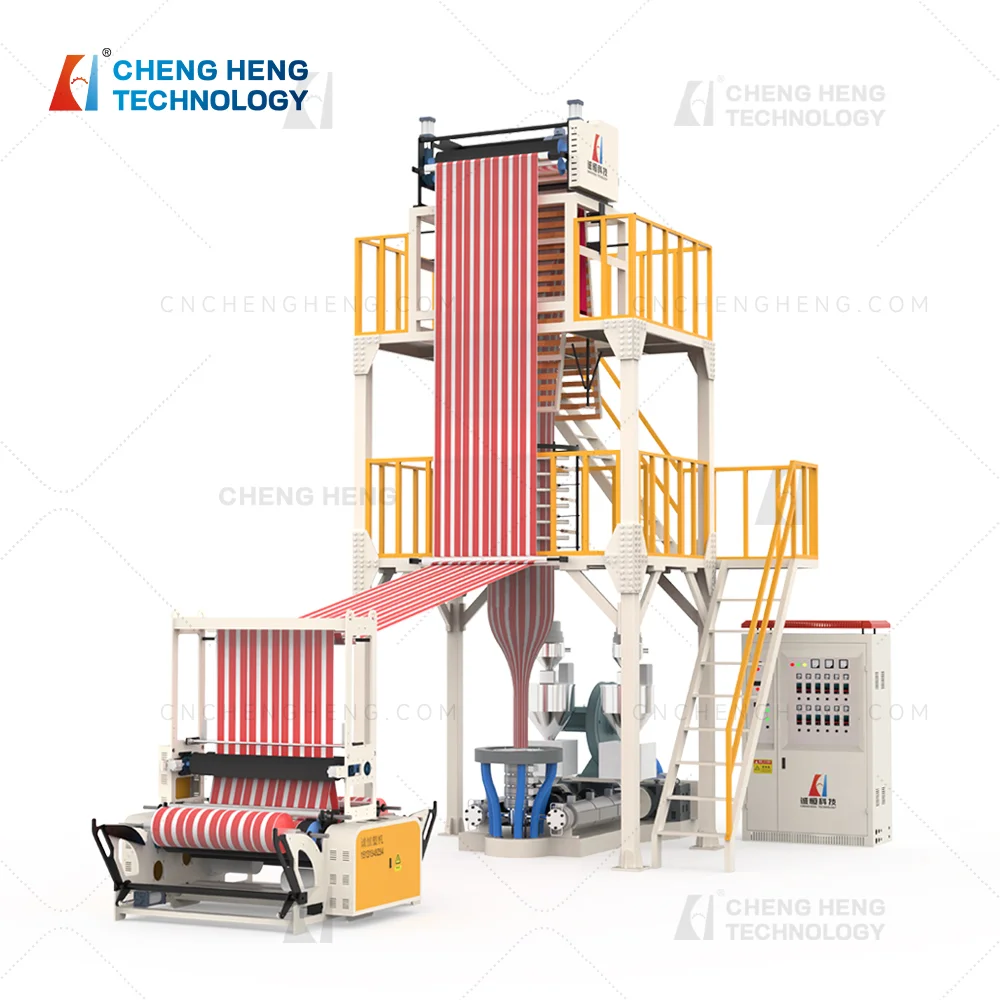
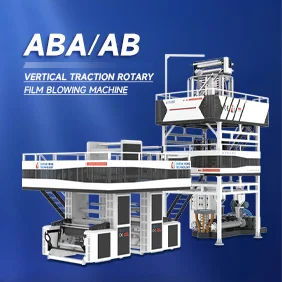
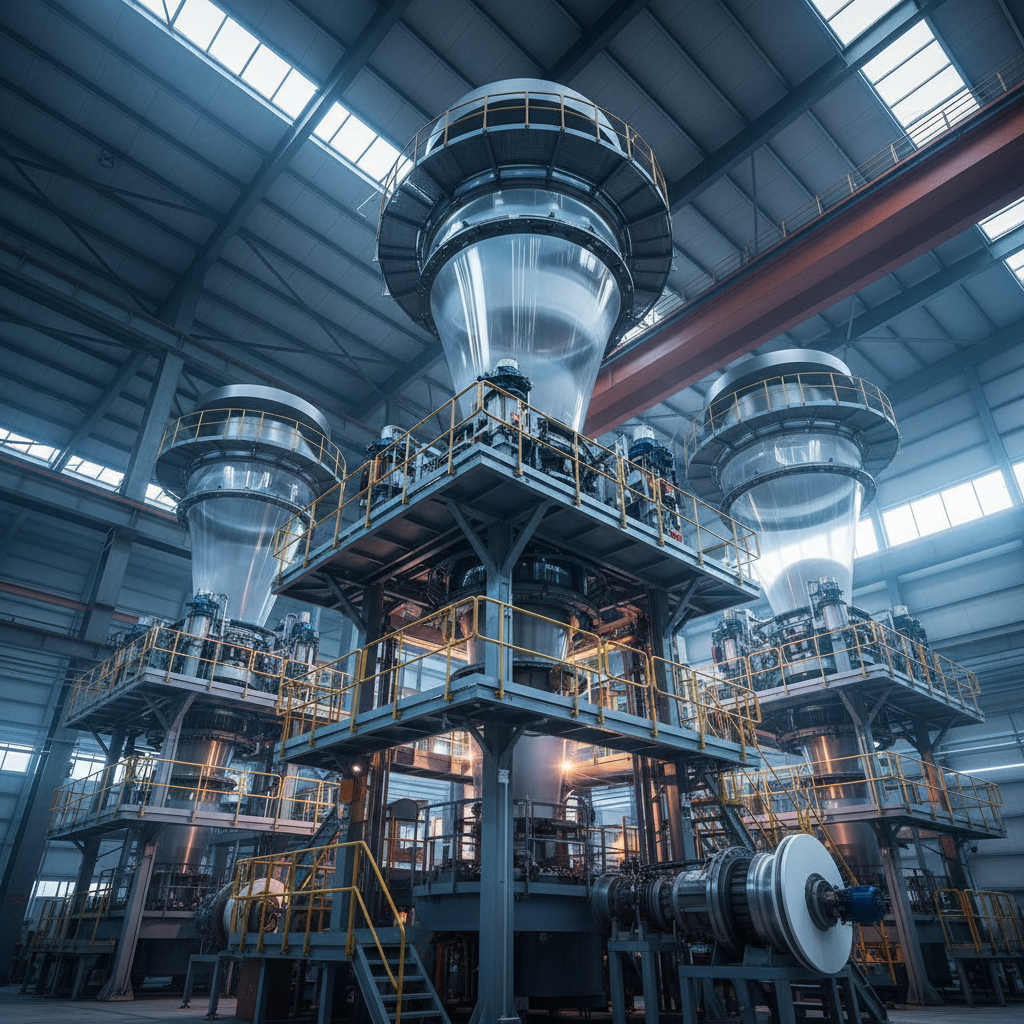
Blown film extrusion is a process where molten plastic is extruded through a circular die to form a tube. This tube is then inflated with air to the desired diameter and thickness, and cooled to solidify the film. The resulting film is then collapsed, wound onto a roll, and further processed as needed. This method is incredibly versatile, allowing for the production of a wide range of film thicknesses, widths, and materials. Key factors influencing the final product include die design, air ring efficiency, cooling system effectiveness, and haul-off speed. The quality of the machinery and the expertise of the blown film extrusion manufacturer are paramount.
Key Benefits of Blown Film Extrusion: Cost-effective for large volume production, versatile in material selection, ability to create custom film specifications.
Key Considerations When Choosing Blown Film Extrusion Manufacturers
Selecting the right manufacturer is crucial for success. Consider these key factors: Technical Capabilities: Do they possess the equipment and expertise to handle your specific material requirements and film specifications? Quality Control: What quality control measures are in place to ensure consistent product quality? Production Capacity: Can they meet your volume requirements and delivery timelines? Certifications: Do they hold relevant certifications, such as ISO 9001, demonstrating their commitment to quality management? Experience: How long have they been in the industry, and what is their track record? A reliable blown film extrusion manufacturer will prioritize customer satisfaction and provide excellent technical support.
Essential Manufacturer Attributes:
• Robust quality control systems
• Experienced engineering team
• Efficient production capacity
• Competitive pricing
Materials Used in Blown Film Extrusion: A Comparative Overview
A wide variety of polymers can be used in blown film extrusion, each offering different properties and characteristics. Common materials include: Polyethylene (PE) – Low-Density (LDPE), Linear Low-Density (LLDPE), and High-Density (HDPE). Polypropylene (PP), Polyamide (PA/Nylon), and Polyethylene Terephthalate (PET). The choice of material depends on the intended application, required film properties (strength, clarity, barrier properties, etc.), and cost considerations.
Quality Control Measures Employed by Leading Blown Film Extrusion Manufacturers
Reputable blown film extrusion manufacturers implement rigorous quality control measures throughout the entire production process. These include: Incoming Material Inspection: Verifying the quality of raw materials before use. In-Process Monitoring: Continuously monitoring key parameters such as temperature, pressure, and film thickness. Dimensional Inspection: Ensuring the film meets specified width, thickness, and length requirements. Physical Property Testing: Evaluating tensile strength, elongation, and other physical properties. Visual Inspection: Detecting any defects such as holes, wrinkles, or discoloration. By prioritizing quality control, manufacturers can deliver consistent and reliable products.
Future Trends in Blown Film Extrusion
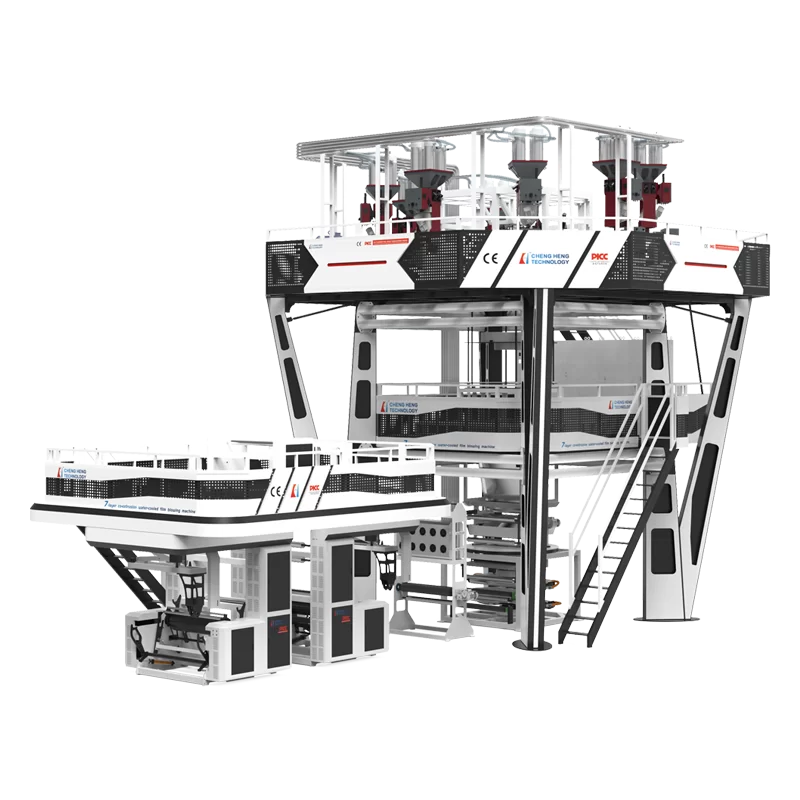
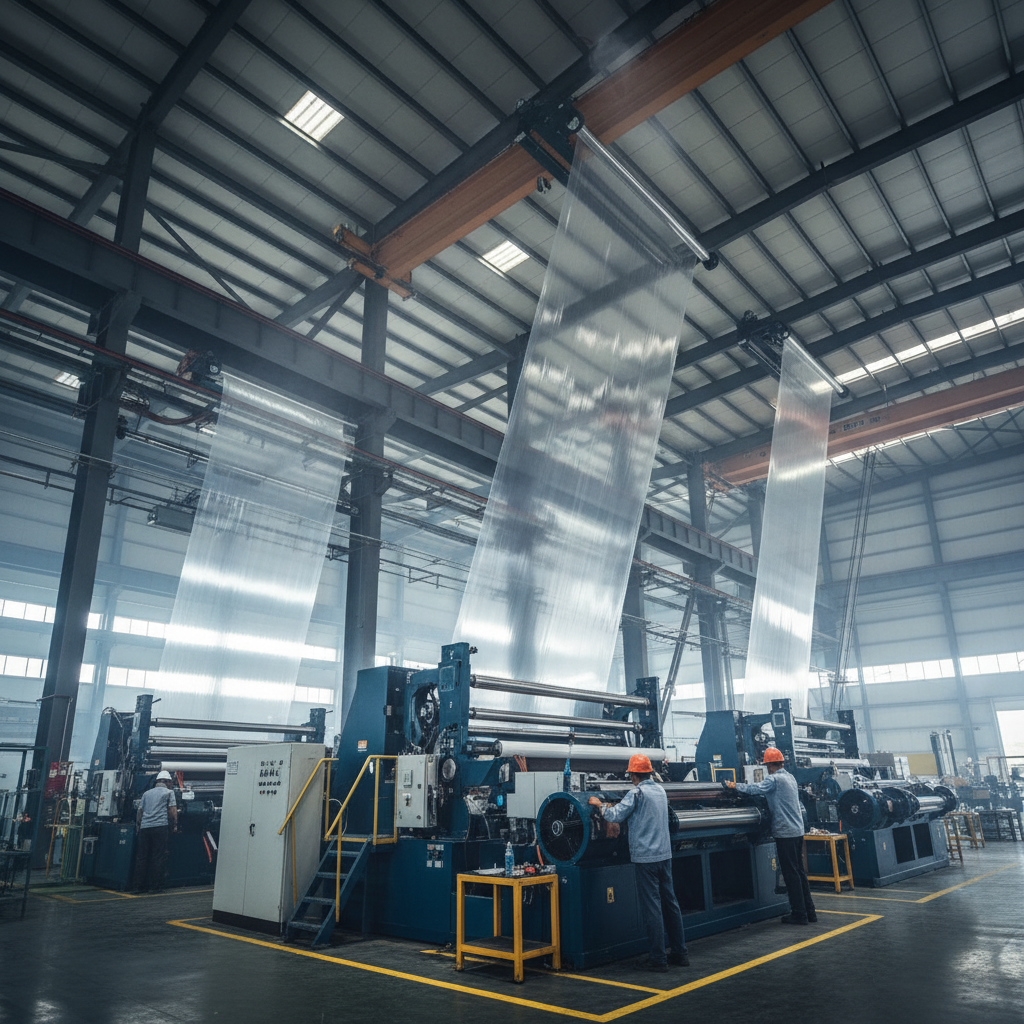
The blown film extrusion industry is continually evolving. Current trends include the development of sustainable materials (biodegradable and compostable films), advancements in multilayer extrusion technology (creating films with enhanced barrier properties), and the integration of automation and data analytics (improving efficiency and process control). Manufacturers who embrace these innovations will be well-positioned to meet the changing needs of the market. Utilizing recycled materials and focusing on reducing waste are becoming increasingly important to stay competitive.
Conclusion: Partnering with a Reliable Blown Film Extrusion Manufacturer
Selecting the right blown film extrusion manufacturer is a critical decision. Consider their technical capabilities, quality control measures, production capacity, and commitment to innovation. By partnering with a reliable manufacturer, you can ensure consistent product quality, competitive pricing, and timely delivery. CNCHSJ is dedicated to providing exceptional blown film solutions to meet your specific needs.
Frequently Asked Questions (FAQs)
What is the typical lead time for a custom blown film order?
Lead times can vary depending on the complexity of the order, material availability, and the manufacturer's current production schedule. Generally, a standard order may take 2-4 weeks, while custom orders with specialized requirements could take longer, potentially 6-8 weeks. It's essential to discuss your specific requirements and delivery timeline with the manufacturer upfront to ensure a realistic and achievable plan. Factors influencing lead time include film thickness, width, material type, and any post-extrusion processing needed. Reliable manufacturers, like CNCHSJ, will provide clear communication throughout the process.
What level of customization is possible with blown film extrusion?
Blown film extrusion offers a high degree of customization. Manufacturers can tailor film properties to meet specific application requirements, including thickness, width, color, opacity, and barrier properties. Multilayer extrusion allows for combining different materials to create films with unique characteristics. Additionally, options like printing, slitting, and perforating can be added to further customize the film. The level of customization is largely dependent on the manufacturer's capabilities and equipment.
Can blown film be recycled?
Yes, many types of blown film can be recycled, particularly polyethylene (PE) and polypropylene (PP). Recycling processes vary depending on the type of plastic and contamination levels. Post-industrial scrap (waste generated during manufacturing) is often easier to recycle than post-consumer waste. Increasingly, manufacturers are incorporating recycled content into their films to promote sustainability. Working with a manufacturer committed to sustainable practices is crucial for responsible film production.
What are the typical tolerances for film thickness and width?
Typical tolerances for film thickness are ±5% to ±10%, depending on the film's thickness and the manufacturer's capabilities. Width tolerances are generally ±2% to ±5%. It's essential to specify your required tolerances when placing an order, especially if precise dimensions are critical for your application. A reputable blown film manufacturer will consistently meet these specifications.