Multilayer Blown Film Extrusion Process: Technology, Materials, and Manufacturing Advantages
The multilayer blown film extrusion process has become a core technology in modern plastic packaging and industrial film manufacturing. Compared with single-layer film, multilayer blown film offers superior strength, barrier performance, durability, and functional customization. As packaging requirements continue to evolve—especially in food, medical, and agricultural sectors—this process plays an increasingly critical role.
This article explains how multilayer blown film extrusion works, the materials involved, key process stages, and why advanced film blowing machines are essential for consistent, high-quality production.
What Is Multilayer Blown Film Extrusion?
Multilayer blown film extrusion is a manufacturing process in which two or more polymer layers are melted, combined, and extruded simultaneously to form a single tubular film. These layers are bonded together during extrusion, creating a unified film structure with enhanced properties.
Typical multilayer films include:
Each layer serves a specific function, such as strength, sealing, barrier protection, or printability. This layered design allows manufacturers to optimize performance while controlling material costs.
How the Multilayer Blown Film Extrusion Process Works
The multilayer blown film extrusion process follows several precise and interconnected stages:
1. Material Feeding and Melting
Different polymer resins—such as HDPE, LDPE, LLDPE, EVOH, or recycled materials—are fed into separate extruders. Each extruder melts its material independently under controlled temperature and pressure conditions.
2. Co-Extrusion and Layer Distribution
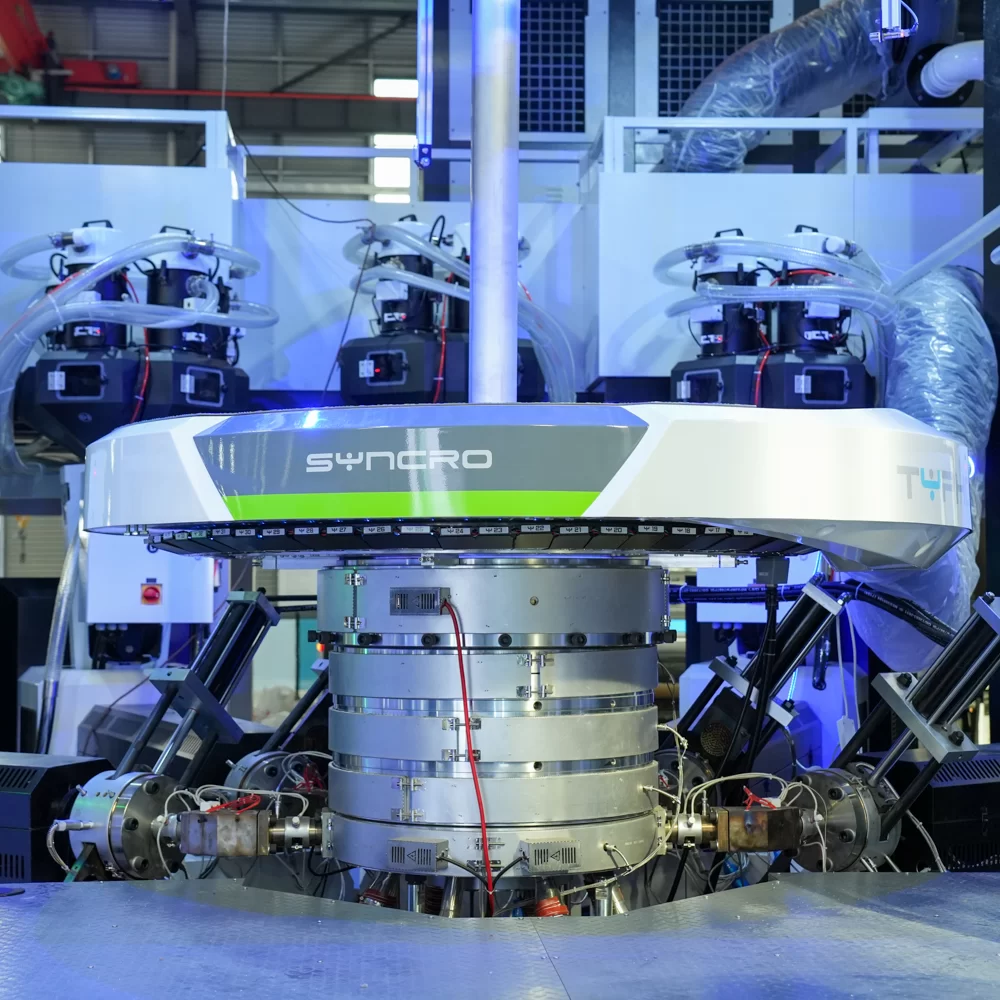
The molten polymers converge in a multilayer die head, often using spiral or feedblock technology. This step is critical, as it determines:
Layer thickness uniformity
Adhesion strength between layers
Overall film performance
Advanced film blowing machines ensure precise layer distribution, even at high production speeds.
3. Film Bubble Formation
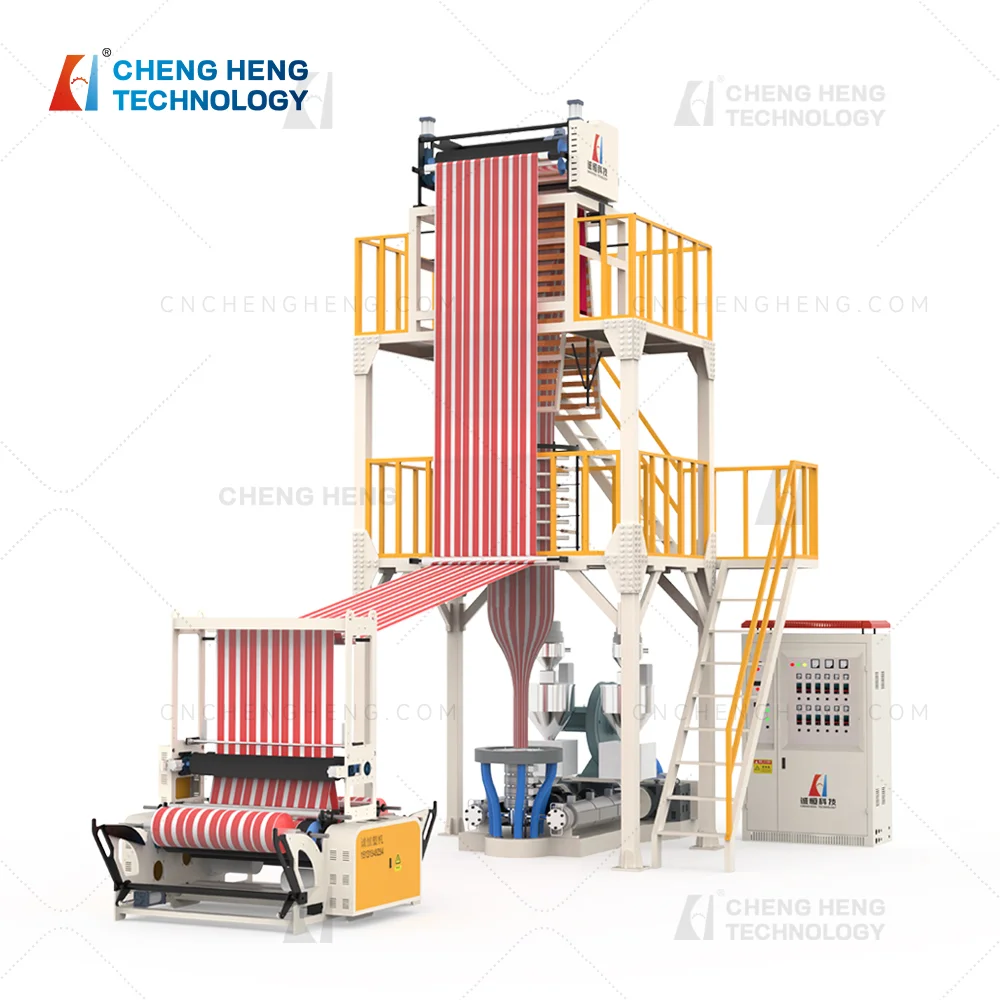
The combined melt exits the die as a tube, and air is introduced to inflate it into a film bubble. The bubble diameter and stability are controlled by internal air pressure and haul-off speed.
4. Cooling and Solidification
Air rings rapidly cool the film bubble, stabilizing its structure. Uniform cooling is essential to prevent thickness variations, weak spots, or optical defects.
5. Collapsing, Winding, and Finishing
The cooled bubble is collapsed into flat film, guided through nip rollers, and wound into rolls. The finished multilayer blown film is then ready for printing, lamination, or direct use.
Common Materials Used in Multilayer Blown Film
The versatility of the multilayer blown film extrusion process comes from material combinations:
HDPE / LDPE / LLDPE – Mechanical strength and flexibility
EVA – Improved sealing and low-temperature performance
EVOH – High oxygen and gas barrier properties
PA (Nylon) – Puncture resistance and toughness
Recycled PE layers – Cost efficiency and sustainability
By assigning each material to a specific layer, manufacturers achieve performance that single-layer films cannot match.
Advantages of Multilayer Blown Film Extrusion
Enhanced Mechanical Strength
Multiple layers distribute stress more evenly, improving tear resistance and load capacity.
Superior Barrier Properties
Barrier layers protect contents from oxygen, moisture, and contaminants—critical for food and medical packaging.
Material Cost Optimization
Expensive functional materials can be used only where needed, reducing overall production costs.
Improved Sealing and Printability
Dedicated sealant and surface layers ensure strong heat seals and high-quality printing results.
Sustainability and Downgauging
Multilayer films allow thinner structures without sacrificing performance, supporting material reduction goals.
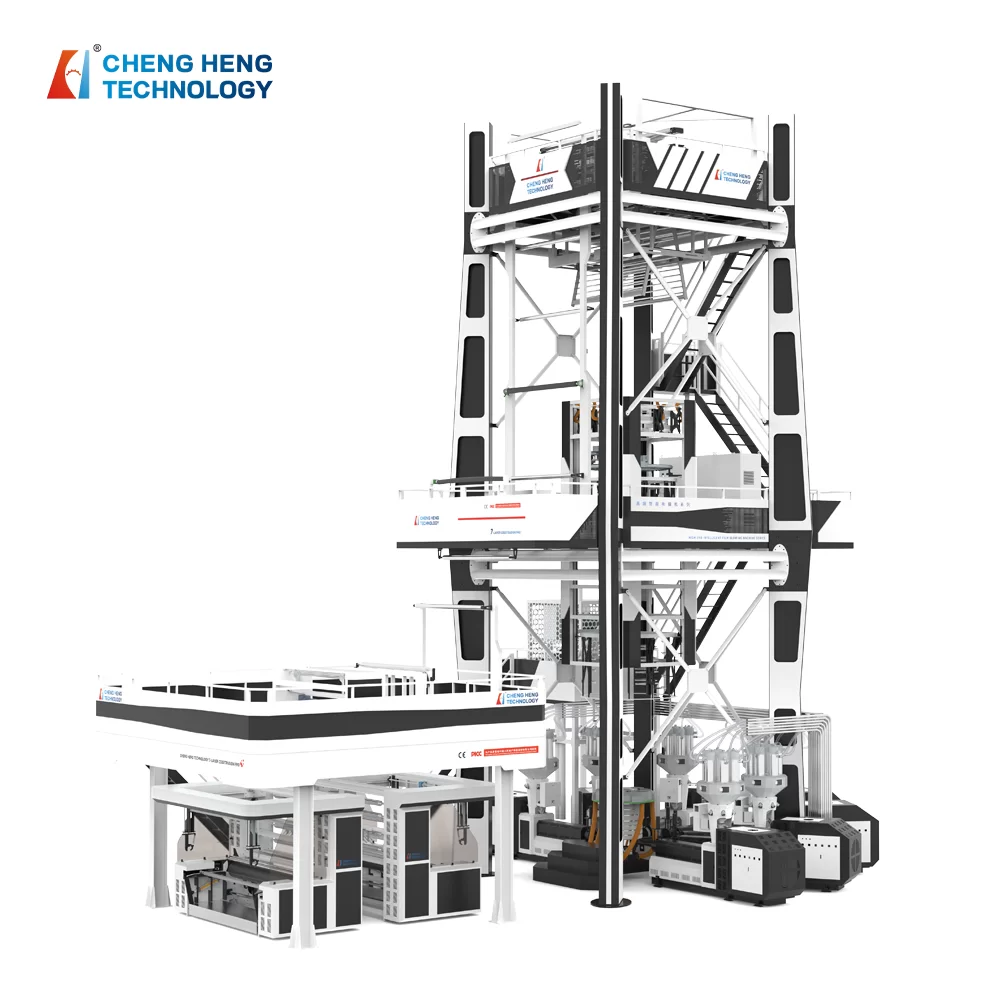
Role of the Film Blowing Machine in Multilayer Production
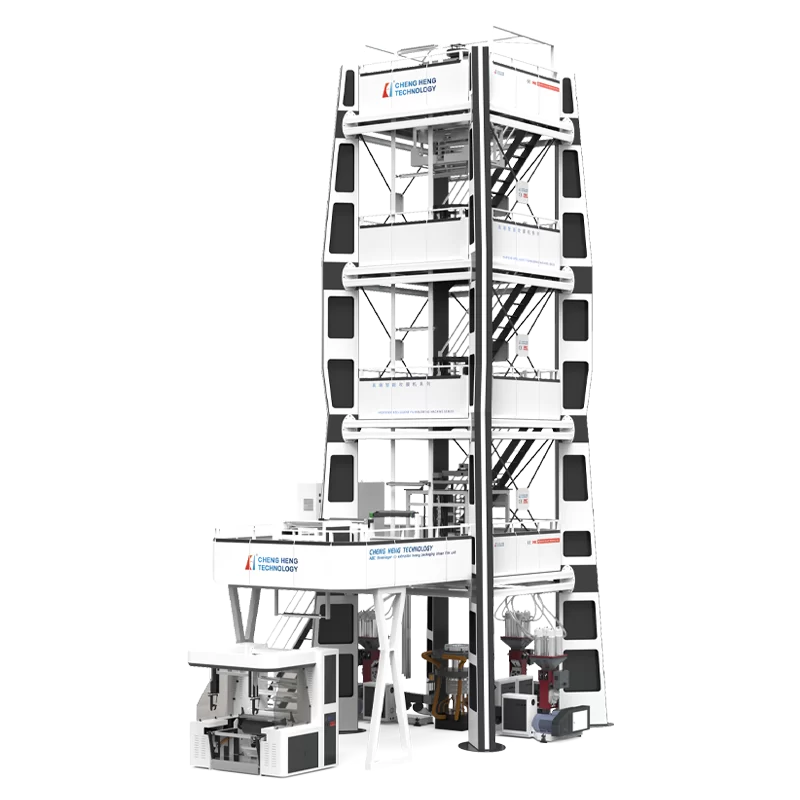
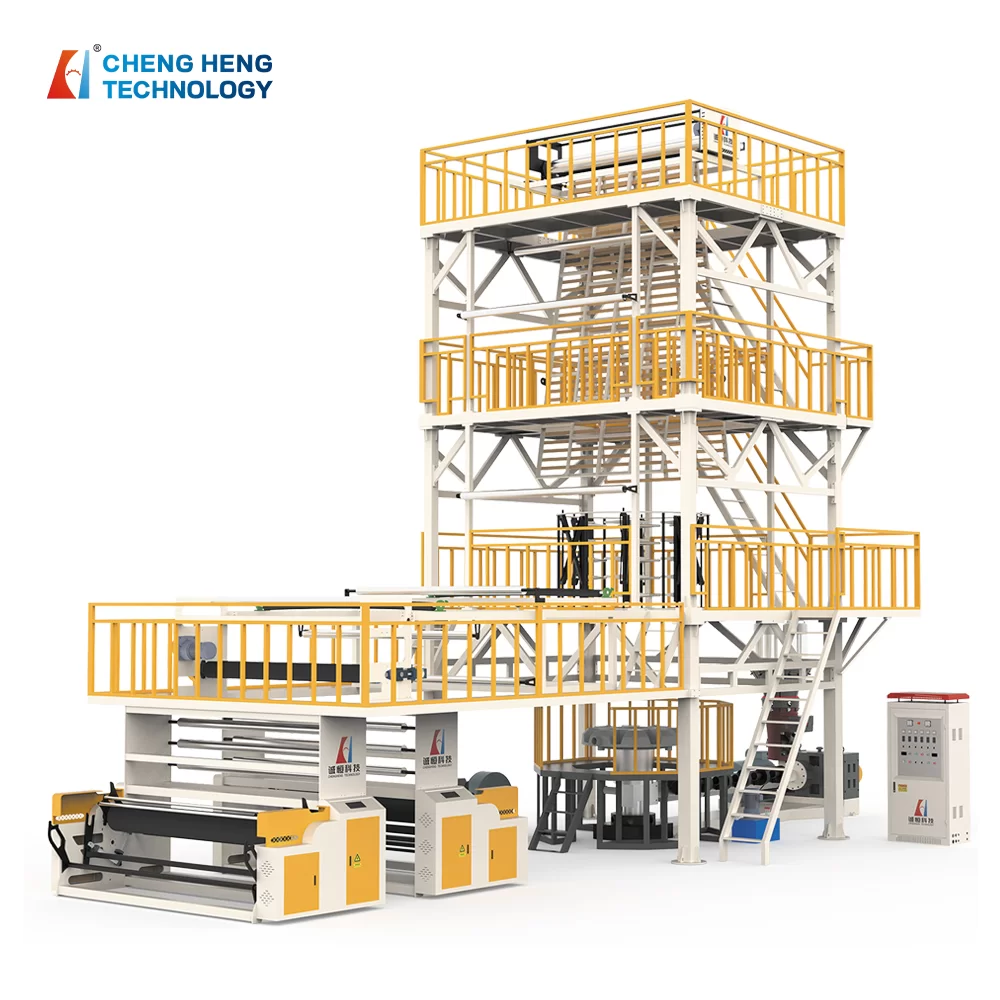
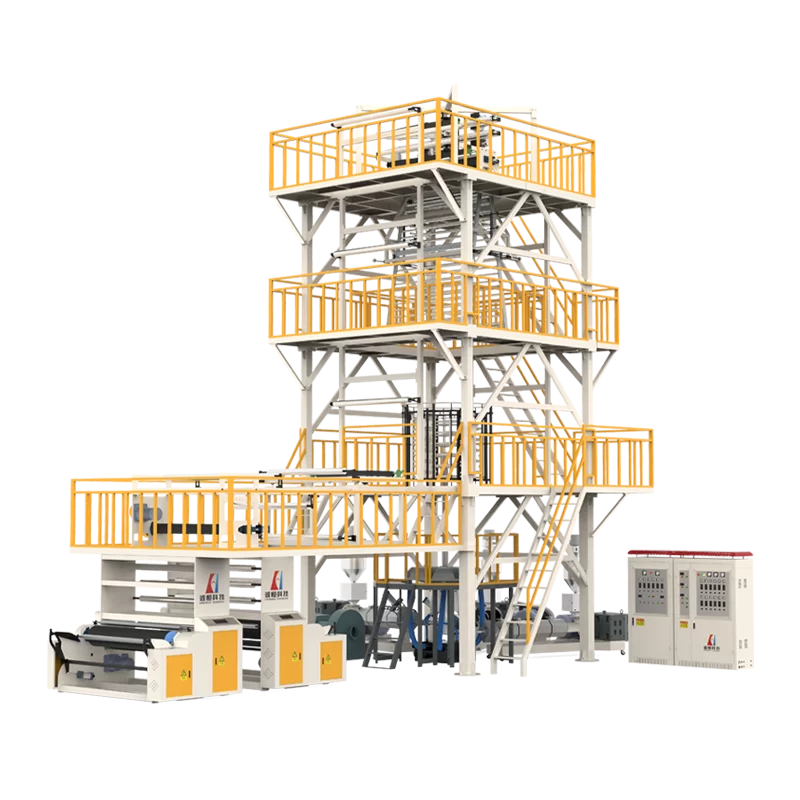
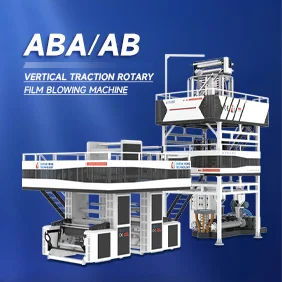
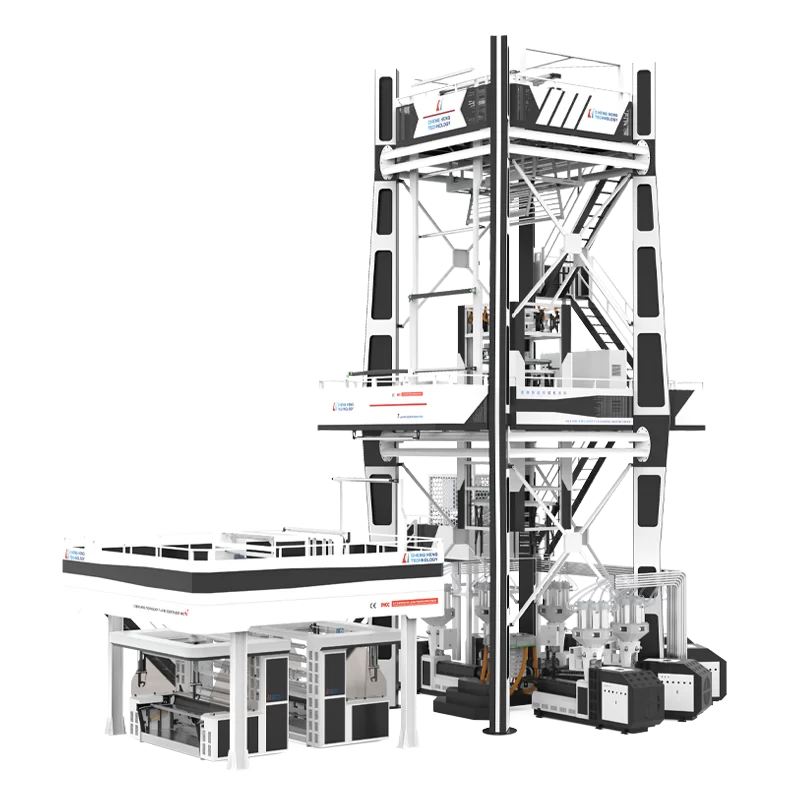
A high-quality film blowing machine is essential for successful multilayer extrusion. Key machine features include:
Multiple synchronized extruders
High-precision multilayer die head
Stable air ring cooling systems
PLC-controlled automation for thickness and temperature control
Modern film blowing machines improve production efficiency, reduce waste, and ensure consistent film quality across long production runs.
Applications of Multilayer Blown Film
Multilayer blown films are widely used in:
Food packaging (vacuum bags, frozen food, dairy)
Medical and pharmaceutical packaging
Agricultural greenhouse and mulch films
Industrial liners and protective packaging
Each application benefits from the tailored performance made possible by multilayer extrusion.
Film Blowing Machine FAQs
1. What is the difference between single-layer and multilayer blown film?
Single-layer film uses one polymer, while multilayer blown film combines multiple materials to achieve better strength, barrier properties, and functionality.
2. How many layers can a film blowing machine produce?
Most industrial film blowing machines support 3, 5, or 7 layers, depending on the die design and extruder configuration.
3. Is multilayer blown film more expensive to produce?
While equipment costs are higher, material efficiency and performance improvements often result in a better long-term ROI.
4. Can recycled materials be used in multilayer blown film extrusion?
Yes. Recycled materials are commonly used in core layers without affecting surface quality or performance.
5. What industries benefit most from multilayer film blowing machines?
Food packaging, medical packaging, agriculture, and industrial manufacturing benefit the most from multilayer film technology.
Conclusion
The multilayer blown film extrusion process represents a major advancement in plastic film manufacturing. By combining multiple materials into a single structure, manufacturers achieve higher performance, better cost control, and broader application potential. With the support of advanced film blowing machines, this technology continues to shape the future of flexible packaging and industrial films.
Author
Daniel Wu
Senior Extrusion Technology Consultant
Author Bio
Daniel Wu is a plastics extrusion specialist with over 12 years of experience in blown film technology and polymer processing equipment. He has worked closely with film blowing machine manufacturers and packaging producers worldwide, focusing on multilayer extrusion optimization, material selection, and production efficiency improvements.