The cast film extruder is a vital piece of equipment in the modern plastics industry, responsible for producing thin, flexible plastic films used in a vast array of applications. From food packaging and agricultural films to medical products and specialized industrial films, the demand for high-quality cast film continues to grow globally. Understanding the intricacies of cast film extrusion – its processes, components, and emerging technologies – is crucial for manufacturers, engineers, and anyone involved in the plastics supply chain.
Globally, the plastics industry is a multi-billion dollar market, with cast film representing a significant segment. According to recent reports, the global cast polypropylene (CPP) film market alone is projected to reach USD 8.7 billion by 2028, exhibiting a CAGR of 6.2% from 2021 to 2028. This growth is driven by increasing demand for flexible packaging, particularly in the food and beverage sector, and the rising adoption of sustainable packaging solutions.
The increasing demand for sustainable packaging alternatives and advancements in material science drive the need for efficient and versatile cast film extruders. Addressing these demands requires not just improved machinery, but also a deeper understanding of process optimization, material compatibility, and the overall impact of cast film production on the environment.
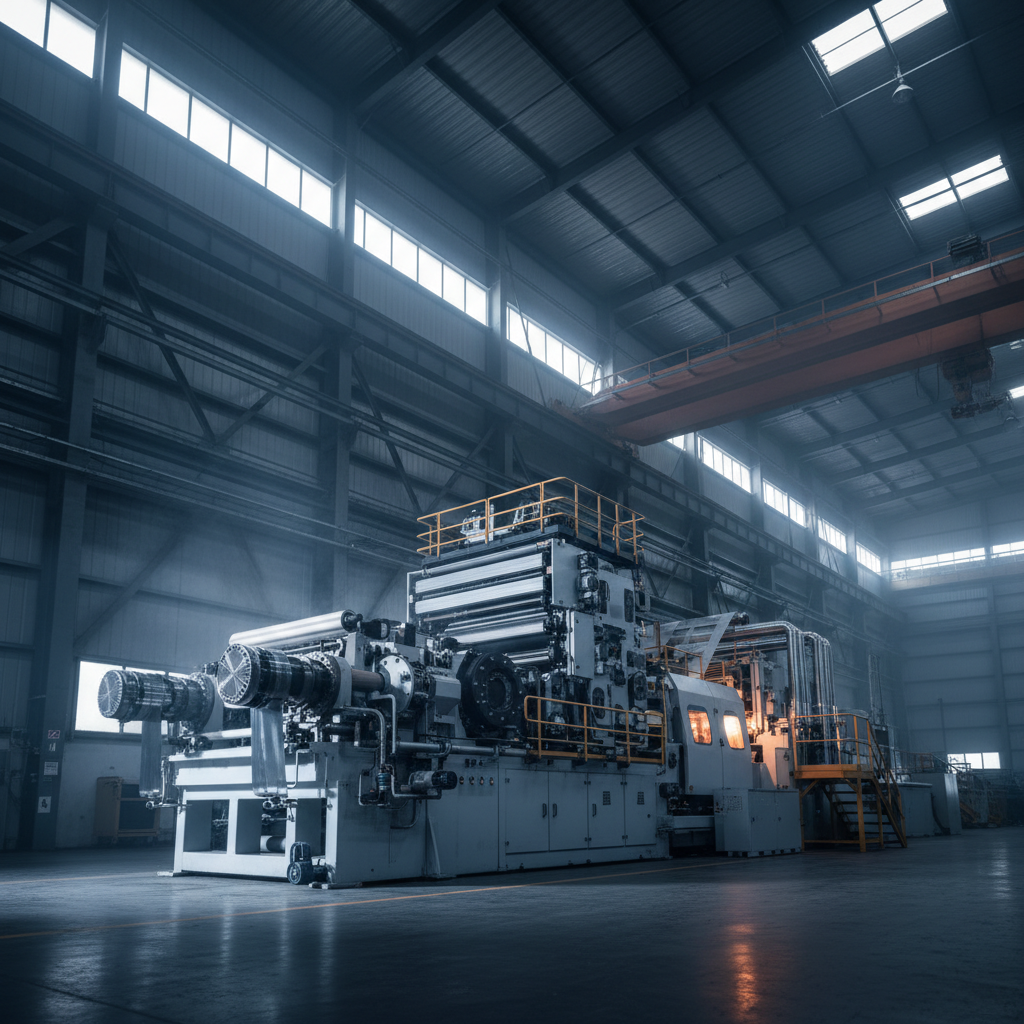
Introduction to Cast Film Extruders
A cast film extruder is a sophisticated machine used to create a continuous sheet of plastic film by extruding molten plastic through a flat die and then rapidly cooling it on a chilled roller. This process results in a film with excellent clarity, gloss, and uniformity, making it ideal for demanding applications. The precision control over temperature, speed, and die design allows for a wide range of film thicknesses and material combinations.
The importance of efficient and reliable cast film extrusion cannot be overstated, as it directly impacts the quality and cost of numerous consumer and industrial products. Optimized extrusion processes lead to reduced waste, improved throughput, and enhanced film properties, contributing to increased profitability and sustainability.
Defining the Cast Film Extruder
In its simplest form, a cast film extruder takes plastic resin—typically polyethylene (PE), polypropylene (PP), or other polymers—melts it under controlled temperatures, and forces it through a flat, narrow die opening. The resulting molten plastic curtain is then immediately cooled by contact with a large, water-cooled roller (the ‘chill roll’). This rapid quenching ‘freezes’ the film’s structure, resulting in a clear, smooth, and dimensionally stable product.
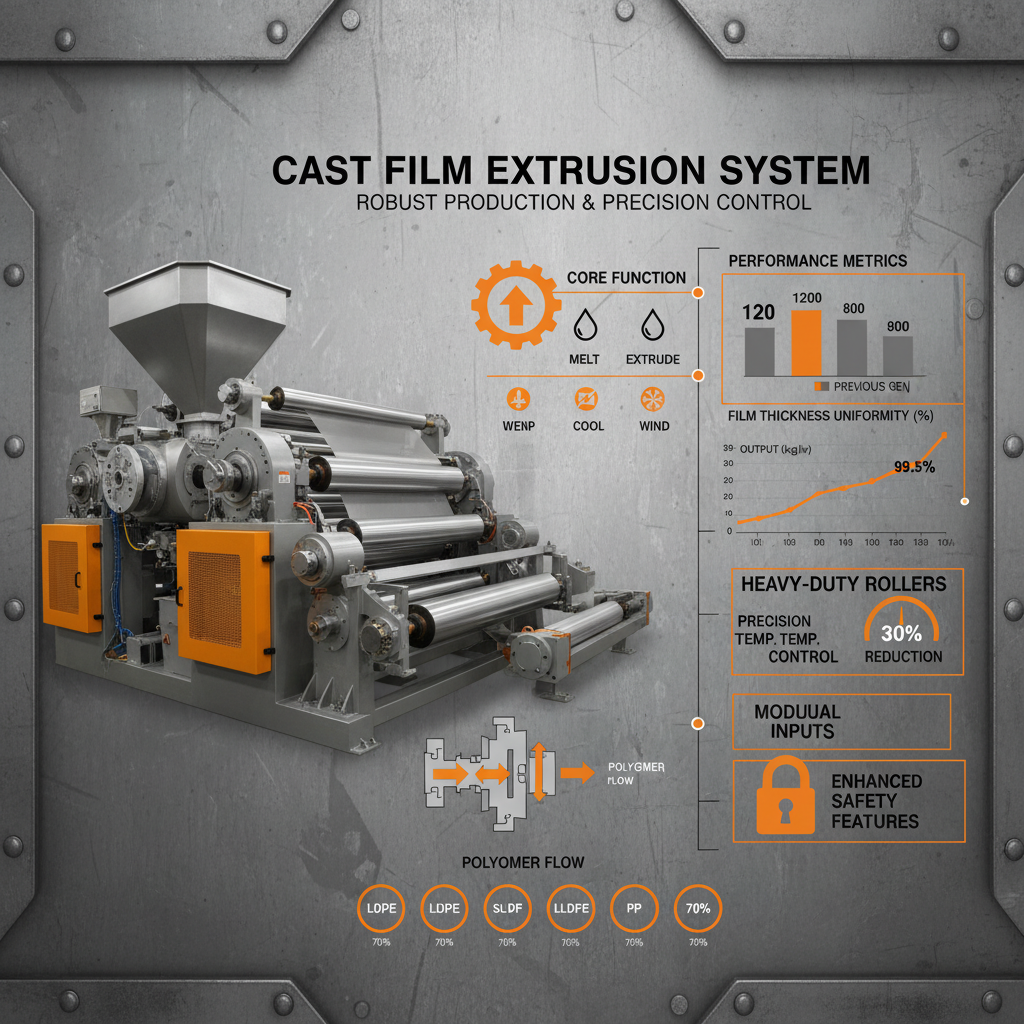
The core function of a cast film extruder is to transform raw plastic materials into usable films. This process differs from blown film extrusion, where air is blown into a molten plastic tube to create a film. Cast film offers advantages in clarity, gauge control, and flatness, making it preferred for applications such as food packaging and lamination.
This technology is intrinsically linked to modern industry and plays a crucial role in meeting humanitarian needs. Beyond packaging, cast film is vital for producing protective barriers, medical films, and even agricultural covers that enhance crop yields and reduce water consumption, particularly in arid regions.
Key Components & Functionality
A cast film extruder isn’t a single unit, but rather an integrated system comprising several key components working in harmony. The primary elements include the extruder itself (which melts and pumps the plastic), the flat die (which shapes the molten plastic), the chill roll (for rapid cooling), and various auxiliary systems for controlling tension, winding, and handling the finished film.
The extruder screw design is critical, influencing melt homogeneity and output rate. Different screw geometries are optimized for various resin types and throughput requirements. Die design determines film width, thickness profile, and surface quality. The chill roll's temperature and surface finish are equally important for achieving the desired film properties and avoiding defects.
Precise control over these components, often managed by sophisticated automation systems, is essential for producing consistent, high-quality cast film. Features like automatic gauge control, web guiding, and defect detection systems help minimize waste and ensure product conformity.
Performance Factors of a Cast Film Extruder
Several factors directly influence the performance of a cast film extruder. These include the resin's melt flow index (MFI), which affects processability; the die gap, determining film thickness; the chill roll temperature, impacting cooling rate and film clarity; and the line speed, dictating production output.
Optimizing these factors is crucial for achieving desired film properties and maximizing efficiency. For instance, adjusting the die gap allows for precise control over film gauge, while modulating the chill roll temperature affects film crystallinity and optical properties.
Cast Film Extruder Performance Metrics
Applications Across Industries
The versatility of cast film makes it indispensable across a diverse range of industries. The food packaging sector relies heavily on cast film for its barrier properties, preserving freshness and extending shelf life. Agricultural films utilize cast film for greenhouse covers, mulch films, and silage wraps, enhancing crop yields.
Beyond these core applications, cast film finds use in medical packaging, lamination, release liners, printing films, and specialty industrial applications. For example, in post-disaster relief operations, robust cast film can be used to create temporary shelters and protective barriers. In remote industrial zones, specialized cast films are employed for corrosion protection and containment.
Advantages & Long-Term Value
Investing in a high-quality cast film extruder offers numerous tangible benefits. Reduced material waste, increased production efficiency, and improved film quality translate directly into cost savings. The ability to produce films with tailored properties enhances product differentiation and allows manufacturers to meet specific customer requirements.
Beyond economic advantages, cast film extrusion can contribute to sustainability goals. Utilizing recycled materials, optimizing energy consumption, and producing biodegradable films are all possible with modern cast film technology. The long-term value lies in establishing a reliable, efficient, and environmentally responsible production process.
Future Trends & Innovations
The future of cast film extrusion is being shaped by several key trends. The integration of digital technologies, such as machine learning and predictive analytics, allows for real-time process optimization and improved quality control. The development of new polymer materials, including bio-based and compostable plastics, is driving the demand for extruders capable of handling these innovative materials.
Automation and robotics are also playing a growing role, streamlining operations and reducing labor costs. The push for greater sustainability is fueling research into energy-efficient extrusion processes and the use of renewable energy sources. Furthermore, advancements in multilayer co-extrusion are enabling the creation of films with enhanced barrier properties and functionalities.
Expect to see more emphasis on closed-loop recycling systems, where waste film is collected, reprocessed, and reintroduced into the production cycle, minimizing environmental impact and promoting a circular economy.
FAQS
Cast film extrusion involves extruding molten plastic through a flat die and cooling it on a chill roll, resulting in high clarity and precise gauge control. Blown film, conversely, uses air to inflate a molten plastic tube, leading to higher strength but typically lower clarity. The choice depends on the application’s specific needs – packaging, lamination, or industrial uses.
Chill roll temperature is crucial. Lower temperatures yield higher clarity and faster cooling, improving film structure, but can also cause brittleness. Higher temperatures lead to lower clarity but increased flexibility. Optimal temperature depends on the resin type, film thickness, and desired properties.
Polyethylene (PE), polypropylene (PP), and polyethylene terephthalate (PET) are the most common. However, cast film can also be produced with other polymers like nylon, EVOH (ethylene vinyl alcohol), and various copolymers, depending on the desired barrier properties and application requirements.
Regular maintenance includes cleaning the die, checking and lubricating the extruder screw, inspecting the chill roll for damage, and maintaining the cooling system. Preventative maintenance schedules help avoid costly downtime and ensure consistent film quality. Routine inspections of sensors and control systems are also essential.
Optimize process parameters like temperature, speed, and die gap. Implement automated gauge control and defect detection systems. Ensure proper resin drying and handling. Consider utilizing energy-efficient components and exploring process optimization software to minimize waste and improve throughput.
Costs include the extruder itself, auxiliary equipment (winding, tension control, etc.), installation, training, and ongoing maintenance. Consider the extruder’s capacity, automation level, and energy efficiency. A detailed cost-benefit analysis, factoring in long-term operating costs and potential production gains, is crucial.
Conclusion
The cast film extruder remains an indispensable technology for producing high-quality, versatile plastic films that underpin a vast range of industries. From enhancing food preservation and protecting medical supplies to supporting agricultural innovation and enabling sustainable packaging solutions, its impact is far-reaching. Understanding the principles of cast film extrusion, its key components, and emerging trends is vital for staying competitive in today’s dynamic market.
Looking ahead, continued innovation in materials, automation, and process optimization will further enhance the capabilities of cast film extruders. Investing in modern, efficient equipment and embracing sustainable practices are crucial for long-term success. For further information and to explore our range of cast film extruders, visit our website: www.cnchsj.com