Film blowing machine manufacturers are at the heart of the modern packaging industry, providing the essential technology for creating a vast array of plastic film products. These machines, ranging from small-scale operations to large industrial facilities, are critical for producing films used in food packaging, agricultural applications, industrial liners, and countless other sectors. The global demand for flexible packaging, driven by factors like convenience, preservation, and cost-effectiveness, directly fuels the growth and innovation within the film blowing machine manufacturing sector.
The significance of skilled film blowing machine manufacturers extends beyond simply supplying equipment; it encompasses a commitment to quality, efficiency, and sustainability. A robust and innovative manufacturing base is vital for meeting the evolving needs of packaging businesses, fostering economic growth, and minimizing environmental impact. Increasingly, manufacturers are focusing on developing machines that can handle recycled materials, reduce energy consumption, and produce thinner, yet stronger, films.
Understanding the capabilities and advancements in film blowing machine technology is crucial for businesses seeking to optimize their packaging processes and stay competitive in a dynamic market. From selecting the right machine for specific applications to implementing efficient maintenance schedules, knowledge of the underlying technology translates to improved productivity, reduced costs, and enhanced product quality. film blowing machine manufacturers play a critical role in this process.
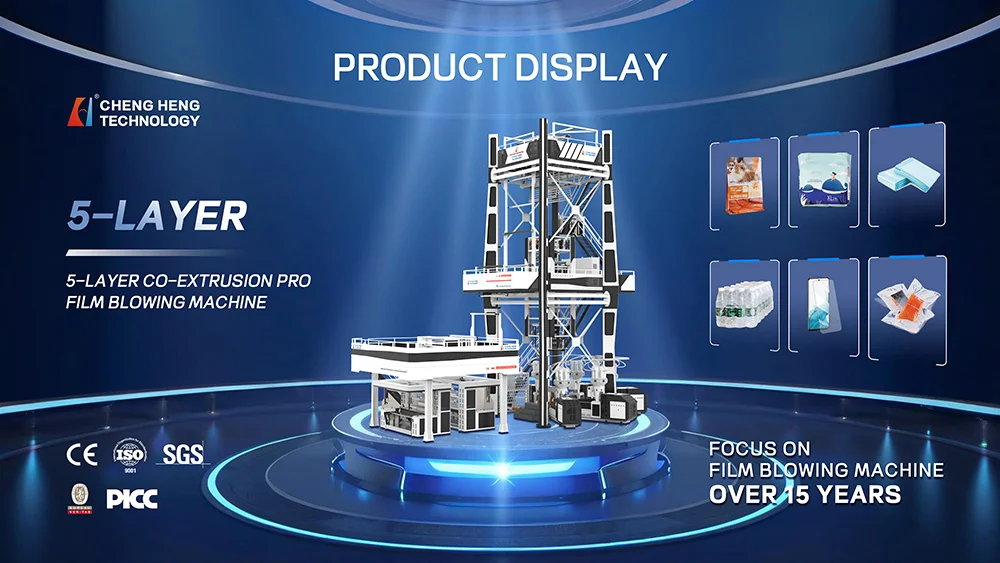
The Role of Film Blowing Machine Manufacturers in Modern Packaging
Film blowing machine manufacturers are integral to the supply chain of countless products we use daily. They don't just build machines; they enable the creation of protective, versatile packaging that ensures product freshness, safety, and efficient distribution. The demand for these machines is directly linked to the growth of consumer goods, agriculture, and various industrial sectors. film blowing machine manufacturers are experiencing increasing pressure to deliver machines capable of producing high-quality film at competitive prices.
The most successful manufacturers aren’t simply focused on the mechanical aspects of machine building; they’re investing in research and development to address emerging challenges like sustainability and the need for specialized film properties. This involves exploring new materials, optimizing energy efficiency, and integrating advanced control systems to maximize productivity and minimize waste.
Defining Film Blowing Machine Manufacturers and Their Impact
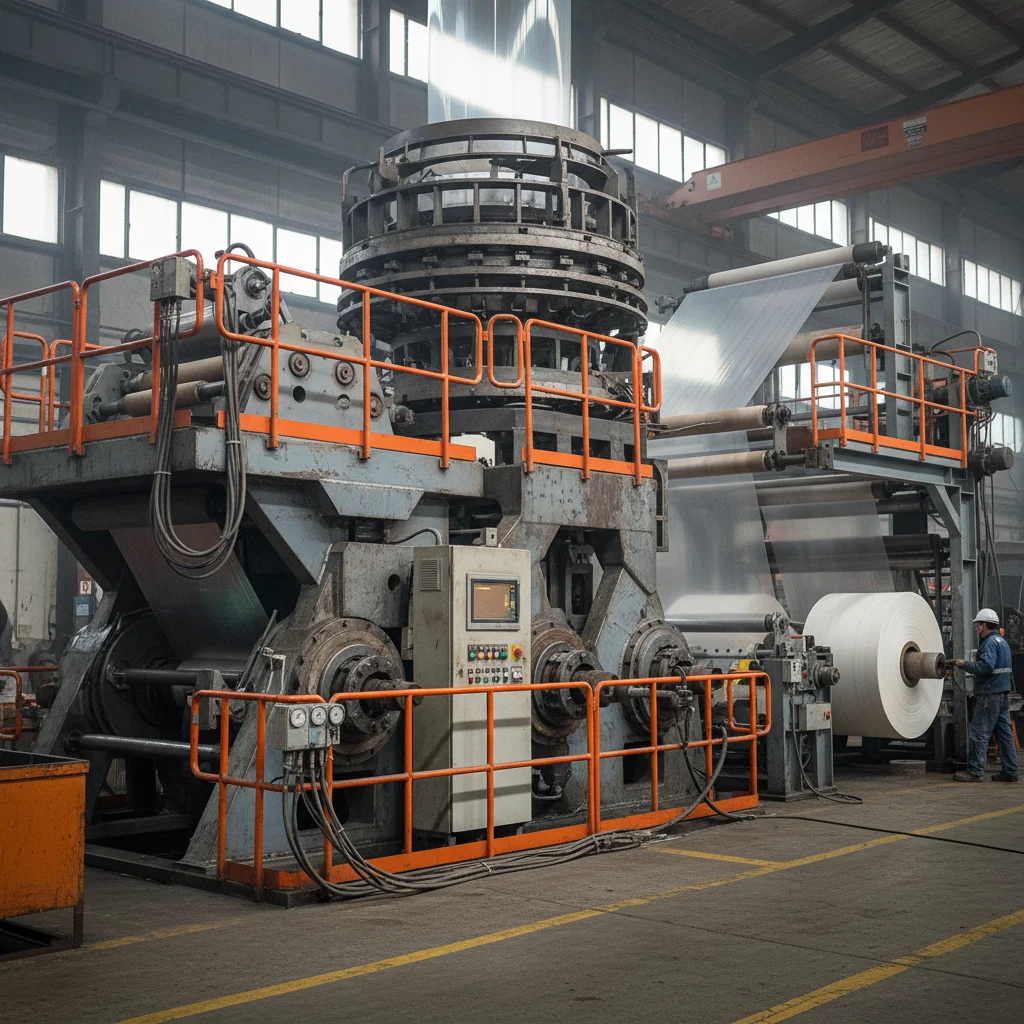
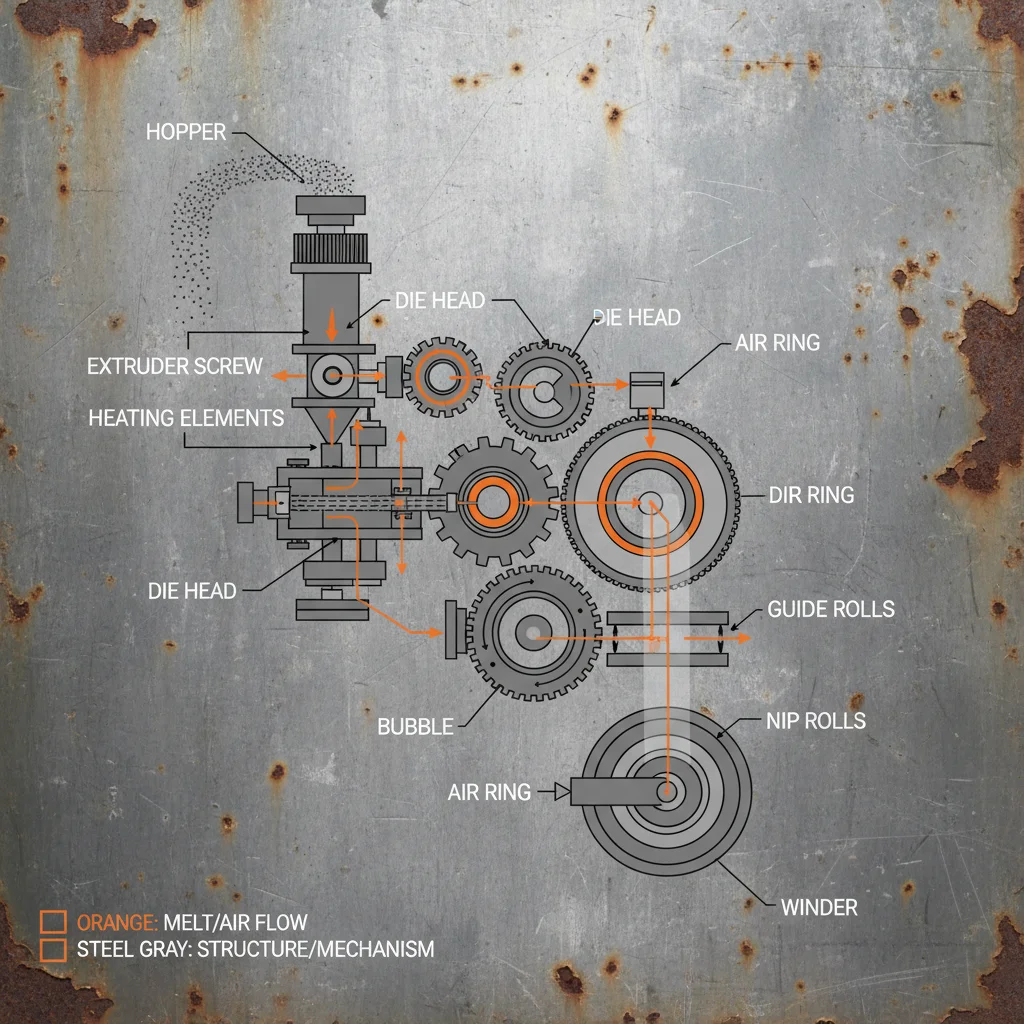
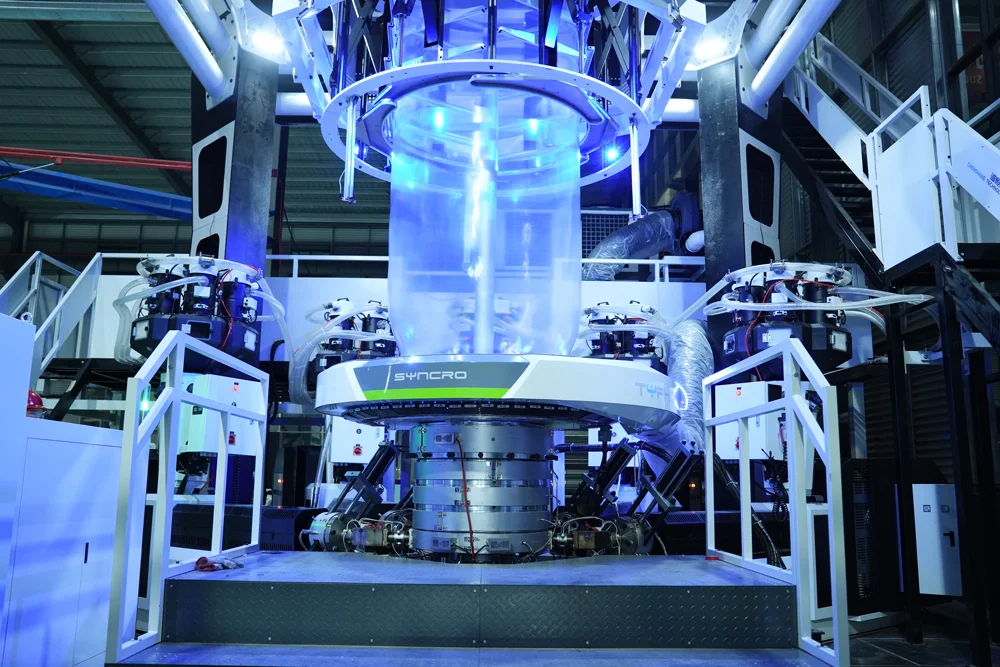
Film blowing machine manufacturers specialize in the design, production, and supply of machinery used to create plastic film from thermoplastic resins. These machines extrude molten plastic through a circular die, forming a tube which is inflated with air to the desired thickness and width. This process, known as film blowing, yields a continuous film that is subsequently cooled, flattened, and wound onto rolls. The impact of these manufacturers is far-reaching, influencing everything from food preservation to industrial packaging.
The connection to modern industry is undeniable. Without reliable and efficient film blowing machines, modern supply chains would grind to a halt. From ensuring the freshness of produce to protecting sensitive electronic components, plastic film provides a critical barrier against environmental factors and physical damage. film blowing machine manufacturers provide the backbone for this essential infrastructure.
Increasingly, these manufacturers are also contributing to humanitarian needs, providing packaging solutions for medical supplies, emergency rations, and disaster relief efforts. The versatility and cost-effectiveness of plastic film make it an indispensable material in addressing global challenges.
Core Components and Key Factors in Manufacturing Quality
Several core components define the quality and performance of film blowing machines. The extruder, responsible for melting and homogenizing the plastic resin, is arguably the most critical. Die design is also paramount, dictating film uniformity and thickness. Furthermore, the air ring, which cools and stabilizes the film bubble, and the winding system, which ensures neat and consistent rolls, are vital for optimal operation. A robust control system ties these components together, ensuring precise control over the entire process.
Durability is a key factor influencing the lifespan and return on investment of a film blowing machine. Manufacturers prioritize using high-quality materials and robust construction techniques to withstand the demands of continuous operation. Scalability, the ability to adapt to changing production volumes and film specifications, is also crucial. Cost efficiency, encompassing both the initial purchase price and ongoing operating expenses (energy consumption, maintenance), is a significant consideration for potential buyers.
These factors directly translate to practical applications. For example, a durable machine minimizes downtime and repair costs, while scalability allows businesses to respond to fluctuations in market demand. A cost-efficient machine maximizes profitability and enhances competitiveness. film blowing machine manufacturers who prioritize these attributes gain a significant advantage in the marketplace.
Global Applications and Diverse Use Cases
Film blowing machine applications are incredibly diverse, spanning across numerous industries globally. In the food and beverage sector, the films produced are used for packaging snacks, fresh produce, meats, and dairy products, preserving freshness and extending shelf life. Agricultural applications include greenhouse films, mulch films, and silage wraps, enhancing crop yields and protecting against environmental factors.
Industrial applications are equally broad, encompassing packaging for chemicals, pharmaceuticals, construction materials, and a wide range of other goods. The demand is particularly strong in rapidly developing economies in Asia, where manufacturing output is increasing. In post-disaster relief operations, plastic film is utilized for creating temporary shelters, protective barriers, and water collection systems.
Regions with significant agricultural sectors, such as North and South America, Europe, and parts of Asia, rely heavily on film blowing technology for crop protection and preservation. Moreover, in remote industrial zones lacking robust infrastructure, locally sourced film blowing machines provide essential packaging solutions, supporting economic activity and self-sufficiency.
Film Blowing Machine Performance Metrics
Advantages and Long-Term Value Proposition
The advantages of investing in high-quality film blowing machines extend far beyond immediate production capabilities. Tangible benefits include reduced material waste, lower energy consumption, and increased output, all contributing to significant cost savings over the machine's lifecycle. Sustainability is another key advantage, with modern machines increasingly capable of processing recycled materials, reducing reliance on virgin plastics.
From a social impact perspective, reliable packaging ensures food safety and reduces spoilage, contributing to improved public health. From a logical perspective, consistent film quality enhances brand reputation and customer satisfaction. Emotionally, knowing your packaging protects products and consumers fosters a sense of trust and responsibility.
The long-term value lies in the combination of these factors: increased profitability, reduced environmental impact, enhanced brand image, and a strengthened commitment to social responsibility. film blowing machine manufacturers who understand and prioritize these aspects are positioned for lasting success.
Future Trends and Innovations in the Industry
The future of film blowing machine manufacturing is being shaped by several key trends. Automation and digitization are becoming increasingly prevalent, with manufacturers integrating advanced sensors, data analytics, and robotic systems to optimize performance and reduce human error. The adoption of Industry 4.0 principles is driving greater efficiency and connectivity throughout the entire production process.
Sustainability remains a central focus, with research and development efforts concentrated on developing machines capable of processing biodegradable plastics and utilizing renewable energy sources. The demand for thinner, yet stronger, films is also driving innovation in die design and process control.
Challenges Faced by Manufacturers and Potential Solutions
Film blowing machine manufacturers face several challenges, including rising raw material costs, increasing competition, and evolving regulatory requirements. Maintaining consistent film quality while processing a wider range of materials is another significant hurdle. Furthermore, the need to reduce energy consumption and minimize waste is becoming increasingly urgent.
One potential solution is to invest in advanced control systems that can precisely monitor and adjust process parameters in real-time. Utilizing predictive maintenance techniques can minimize downtime and reduce repair costs. Collaboration between manufacturers, material suppliers, and end-users can facilitate the development of innovative materials and processes.
Embracing circular economy principles, such as designing machines for disassembly and material recovery, can also contribute to a more sustainable and resilient industry. film blowing machine manufacturers who proactively address these challenges will be best positioned to thrive in the long term.
Challenges and Solutions in Film Blowing Machine Manufacturing
| Challenge | Impact on Manufacturers | Potential Solution | Implementation Cost (1-10) |
|---|
| Fluctuating Raw Material Costs | Reduced Profit Margins | Long-term Contracts & Material Diversification | 6 |
| Maintaining Film Quality | Increased Reject Rates, Customer Complaints | Advanced Process Control Systems | 8 |
| Energy Consumption | High Operating Costs | Energy-Efficient Machine Designs | 7 |
| Increasing Competition | Price Wars, Reduced Market Share | Product Differentiation & Innovation | 5 |
| Regulatory Compliance | Legal Risks, Production Delays | Proactive Compliance Programs | 4 |
| Skilled Labor Shortage | Difficulty in Maintaining Operations | Automation & Training Programs | 9 |
FAQS
When selecting a film blowing machine, consider your production volume, desired film thickness, material types you'll be processing, and budget. Important factors include the extruder capacity, die design, cooling system efficiency, and the level of automation offered. Furthermore, assess the manufacturer's reputation for reliability, service support, and parts availability. Choosing the right machine involves carefully balancing these factors to meet your specific packaging needs and ensure a solid return on investment.
Preventative maintenance is crucial for maximizing the lifespan and efficiency of a film blowing machine. A schedule of monthly inspections and quarterly servicing is generally recommended. This includes lubricating moving parts, checking for wear and tear, calibrating sensors, and cleaning the system. Regular maintenance prevents unexpected breakdowns, reduces repair costs, and ensures consistent film quality. Refer to the manufacturer's manual for specific maintenance recommendations.
Film blowing machines are versatile and can process a wide range of thermoplastic resins, including polyethylene (PE), polypropylene (PP), polyethylene terephthalate (PET), and polyvinyl chloride (PVC). The specific resin used depends on the desired film properties, such as strength, clarity, barrier protection, and printability. Some machines are also capable of processing recycled plastics, contributing to a more sustainable packaging solution.
With proper maintenance and care, a high-quality film blowing machine can have a lifespan of 15-20 years or even longer. Regular servicing, prompt repairs, and adherence to the manufacturer's operating guidelines are essential for maximizing longevity. Investing in a durable machine from a reputable manufacturer is also a key factor in ensuring a long and productive service life.
Automation significantly enhances the efficiency of film blowing machines by reducing human error, increasing production speed, and improving film consistency. Automated systems can precisely control process parameters, monitor performance in real-time, and automatically adjust settings to maintain optimal quality. This leads to reduced waste, lower labor costs, and increased overall productivity.
Emerging trends in sustainable film blowing technologies include the use of biodegradable plastics, the development of machines capable of processing higher percentages of recycled content, and the implementation of energy-efficient designs. Manufacturers are also exploring alternative cooling methods and waste reduction strategies to minimize the environmental impact of film production. The focus is on creating a circular economy for plastic packaging.
Conclusion
In conclusion, film blowing machine manufacturers are pivotal players in the global packaging industry, driving innovation, and enabling the production of essential materials used across countless applications. Understanding the core components, key factors, and emerging trends within this sector is crucial for businesses seeking to optimize their packaging processes and achieve sustainable growth. The value proposition extends beyond immediate cost savings to encompass environmental responsibility, enhanced product quality, and improved brand reputation.
Looking ahead, continued investment in research and development, coupled with a commitment to automation and sustainability, will be essential for addressing the evolving challenges and opportunities facing the industry. We encourage you to explore the latest advancements in film blowing technology and partner with a reputable manufacturer like film blowing machine manufacturers to unlock the full potential of your packaging operations.