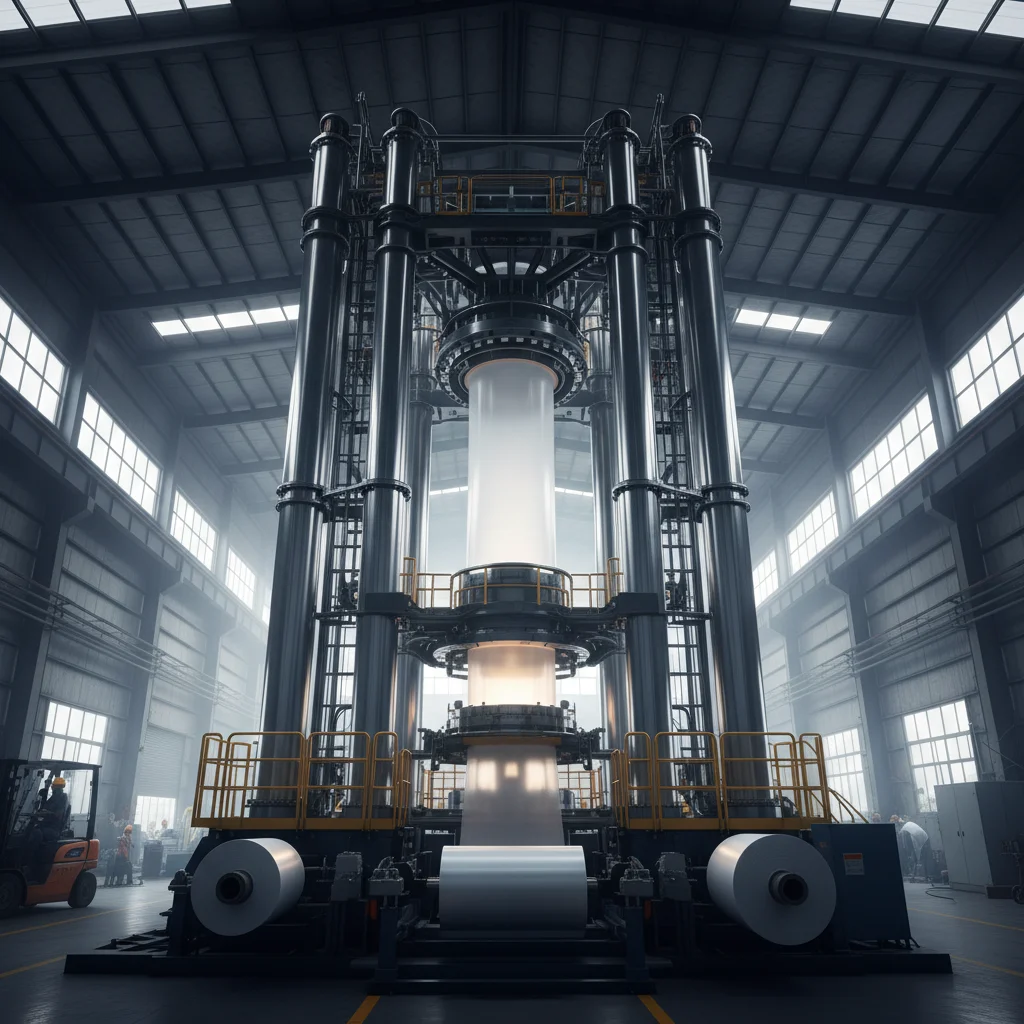
The process of blowing film is a crucial manufacturing technique used globally to create plastic film. This film, foundational to countless industries, serves as a vital component in packaging, agriculture, construction, and medical applications, among others. Understanding the nuances of blowing film isn't just about the process itself; it's about grasping a cornerstone of modern production and its impact on the world around us.
Globally, the demand for plastic film, produced through blowing film techniques, continues to rise, driven by increasing consumerism and expanding industrial sectors. According to UN reports, packaging accounts for approximately 40% of all plastic use, and a substantial portion of that relies on blown film. The World Bank estimates that the global plastic packaging market will reach $440.3 billion by 2027, demonstrating the sustained importance of this manufacturing method.
The efficiency and versatility of blowing film addresses a critical need for protective, lightweight, and customizable packaging and materials. From preserving food supplies to safeguarding medical equipment, and providing durable agricultural coverings, the benefits are far-reaching and impactful, making it an essential technology for both developed and developing nations.
Introduction to Blowing Film
Blowing film is a highly versatile process utilized to create a continuous tube of plastic film. This technique has become integral to modern manufacturing due to its ability to produce films with varying thicknesses, widths, and properties tailored to specific applications. The process begins with melting plastic resin, which is then extruded through a circular die.
The extruded molten plastic is inflated with air, forming a bubble-like film. This bubble is then cooled, collapsed, and wound onto rolls. The inherent simplicity and scalability of this process contribute to its widespread adoption across industries. The control over variables like die gap, air pressure, and cooling rates allows for precise adjustments to film characteristics, optimizing it for diverse end-uses.
Defining the Blowing Film Process
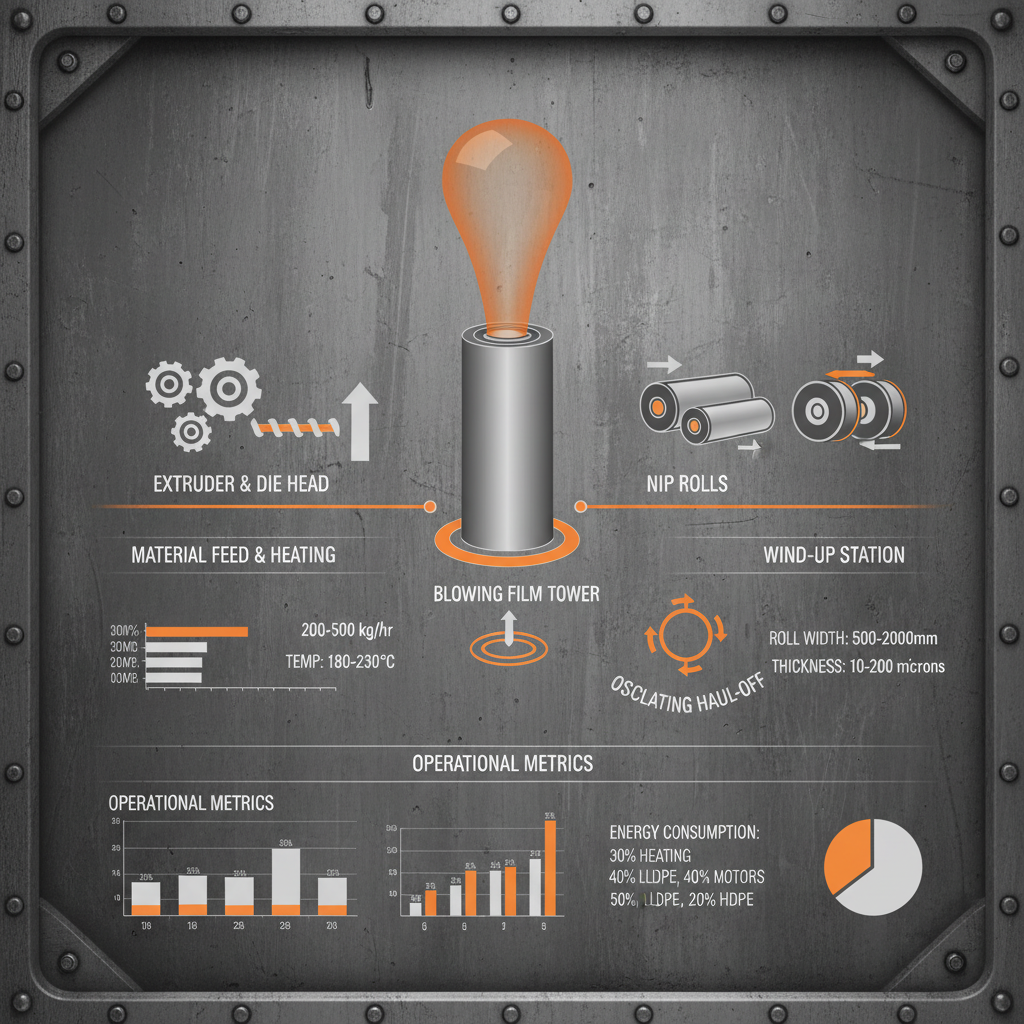
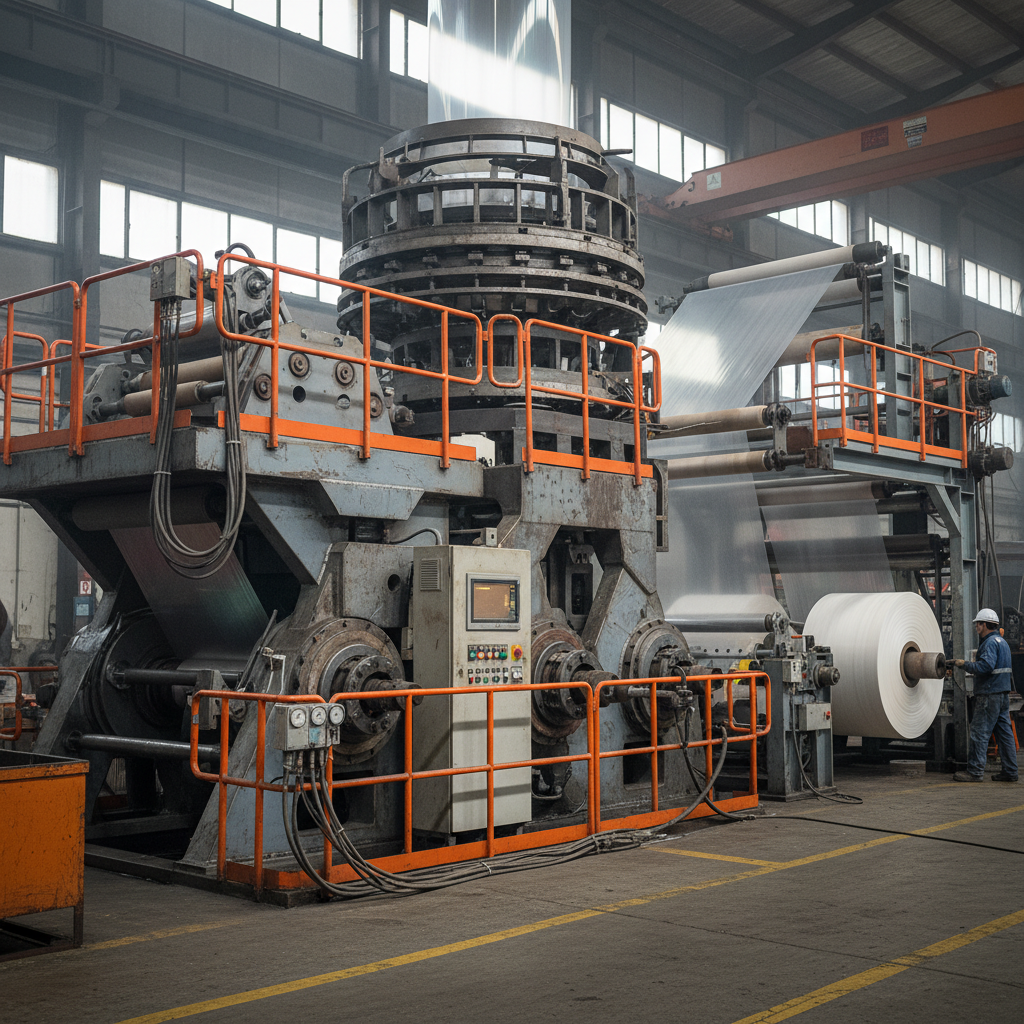
At its core, blowing film transforms plastic resin into a flexible, usable material. The process begins with the feeding of plastic pellets, typically polyethylene (PE), polypropylene (PP), or polyethylene terephthalate (PET), into an extruder. This extruder melts the resin and forces it through an annular die, creating a circular, molten plastic tube.
Compressed air is then introduced into this tube, inflating it to the desired diameter and thickness. As the film rises, it is cooled by air rings or internal cooling systems. This cooling process is crucial for solidifying the plastic and maintaining dimensional stability. The resulting film is then collapsed by pinch rollers and wound onto rolls for further processing.
This seemingly straightforward process allows for the creation of films that are incredibly adaptable. Variations in resin type, die design, and process parameters enable the production of films with diverse properties, making them suitable for a vast range of applications.
Key Factors Influencing Film Quality
Several key factors directly influence the quality and performance of blown film. One of the most important is the resin selection; different polymers offer varying degrees of strength, clarity, and barrier properties. Precise control of the extrusion temperature is also vital, ensuring proper melting and flow of the plastic without degradation.
The blow-up ratio, which is the ratio of the film’s diameter to the die diameter, significantly impacts the film’s thickness and mechanical properties. A higher blow-up ratio generally results in thinner film with increased tensile strength. Equally important is the cooling rate, which determines the film’s crystallinity and clarity. Inconsistent cooling can lead to uneven thickness and distortions.
Furthermore, die design plays a critical role in ensuring uniform melt distribution, preventing defects like seams and wrinkles. Maintaining consistent air pressure and precise control over the nip roll tension are also essential for producing high-quality film with consistent dimensions and avoiding stretching or tearing during winding.
Applications Across Diverse Industries
The versatility of blowing film translates into widespread use across numerous industries. In packaging, it’s ubiquitous, forming the basis for food packaging (bags, pouches, wraps), industrial packaging (shrink wrap, pallet wrap), and consumer product packaging. Agricultural applications benefit from blown film in the form of greenhouse covers, mulch film, and silage film.
The construction industry utilizes blown film for vapor barriers, roofing membranes, and protective sheeting. Medical applications require specialized films produced by blowing film processes, such as sterile packaging for medical devices and intravenous bags. In regions experiencing rapid industrialization, like Southeast Asia, the demand for blown film is soaring due to the growth of packaging and manufacturing sectors.
Blowing Film Applications by Sector
Advantages and Long-Term Value of Blowing Film
The advantages of using blowing film are numerous and contribute to its continued dominance in various markets. Cost-efficiency is a major driver; the process is relatively inexpensive compared to other film manufacturing techniques. Scalability is another key benefit, allowing for production runs ranging from small batches to large-scale operations.
The ability to customize film properties, such as thickness, strength, and barrier properties, provides significant value. The use of recycled materials in blowing film also promotes sustainability and reduces environmental impact, fostering a positive brand image. Long-term, the reliability of blown film in protecting products and extending shelf life translates into reduced waste and increased profitability for businesses.
Future Trends and Innovations in Blowing Film
The future of blowing film is being shaped by several emerging trends. The development of bio-based and biodegradable polymers is gaining momentum, addressing the growing demand for sustainable packaging solutions. Digital transformation, including the implementation of advanced process control systems and data analytics, is optimizing production efficiency and reducing waste.
Automation, through the use of robotics and AI, is streamlining operations and improving product consistency. Research into new die designs and cooling technologies is aimed at enhancing film quality and expanding the range of achievable properties. The integration of green energy sources into blowing film production further reduces the environmental footprint of this essential manufacturing process.
Challenges and Solutions in Blowing Film Production
Despite its advantages, blowing film production faces certain challenges. Maintaining consistent film thickness and avoiding defects like wrinkles and seams require precise process control and skilled operators. The cost of raw materials, particularly virgin polymers, can fluctuate significantly, impacting profitability.
One solution is to invest in advanced process monitoring and control systems that automatically adjust parameters to maintain optimal film quality. Utilizing recycled materials can mitigate raw material cost volatility and promote sustainability. Implementing robust quality control procedures and operator training programs are crucial for minimizing defects and ensuring consistent production.
Further, collaboration between resin manufacturers and film producers can drive innovation in polymer formulations and processing techniques, addressing the evolving demands of the market and tackling these challenges head-on.
Summary of Common Blowing Film Production Challenges and Solutions
| Challenge |
Impact on Production |
Potential Solution |
Implementation Cost (1-10) |
| Inconsistent Film Thickness |
Reduced Material Strength, Quality Issues |
Advanced Die Design, Precise Air Pressure Control |
7 |
| Wrinkles & Seams |
Reduced Aesthetic Appeal, Compromised Barrier Properties |
Optimized Cooling System, Improved Resin Melt Flow |
6 |
| Raw Material Cost Volatility |
Reduced Profit Margins, Production Delays |
Integration of Recycled Materials |
4 |
| Operator Skill Gap |
Inconsistent Product Quality, Increased Scrap Rate |
Comprehensive Training Programs, Process Automation |
5 |
| Energy Consumption |
High Operational Costs, Environmental Impact |
Energy-Efficient Equipment, Process Optimization |
8 |
| Limited Bio-Based Resin Availability |
Hindered Sustainability Goals, Increased Reliance on Fossil Fuels |
Investment in Bio-Based Polymer Research & Development |
9 |
FAQS
The most prevalent resins utilized in blowing film production are polyethylene (PE), encompassing low-density polyethylene (LDPE), linear low-density polyethylene (LLDPE), and high-density polyethylene (HDPE). Polypropylene (PP) is also frequently used for applications requiring higher temperature resistance and strength. The selection depends on desired film properties like flexibility, clarity, and barrier performance. PET is utilized when greater strength and barrier properties are needed, though its processing can be more complex.
The blow-up ratio—the ratio of the inflated film's diameter to the die diameter—significantly influences film characteristics. A higher ratio generally results in thinner films with enhanced tensile strength and improved mechanical properties. However, excessively high ratios can lead to instability and potential film rupture. Adjusting the blow-up ratio allows for tailoring the film's strength, elongation, and barrier performance to specific application requirements.
Incorporating recycled materials into blowing film offers substantial benefits, primarily by reducing reliance on virgin plastics and lessening environmental impact. It contributes to a circular economy, minimizing waste and conserving valuable resources. Using recycled content can also lower production costs, though careful quality control is crucial to ensure the recycled material doesn't compromise film performance or clarity. Sustainable branding and customer appeal are additional advantages.
Common defects include wrinkles, seams, inconsistent thickness, and pinholes. Wrinkles often stem from uneven cooling or improper air pressure. Seams indicate issues with the die. Thickness variations result from inconsistent melt flow or cooling. Pinholes are often caused by contaminants in the resin. Prevention involves maintaining consistent process parameters, using high-quality resin, proper die design, and regular equipment maintenance.
Optimizing the cooling process is critical for achieving specific film properties. Air rings provide primary cooling, with their intensity and distribution impacting crystallinity and clarity. Internal cooling systems, using air or water, enhance cooling efficiency. Controlling the cooling rate affects film shrinkage and dimensional stability. Precise temperature regulation and uniform airflow are vital for minimizing defects and achieving consistent film quality.
Die design significantly impacts melt distribution and film uniformity. A well-designed die ensures consistent resin flow, preventing localized stress and minimizing defects like seams and thickness variations. Different die designs cater to specific film properties, such as single-layer, multi-layer, and co-extrusion capabilities. Precise die gap control is vital for achieving desired film thickness and width. Regular die maintenance and cleaning are essential for optimal performance.
Conclusion
In conclusion, blowing film remains a cornerstone of modern manufacturing, providing a versatile and cost-effective solution for producing a wide range of plastic films used across numerous industries. Its adaptability, scalability, and continuous innovation ensure its continued relevance in addressing evolving market demands and sustainability challenges. The core strength of the process lies in its ability to tailor film properties to specific applications, making it an indispensable technology.
Looking ahead, further advancements in bio-based polymers, automated process control, and energy-efficient technologies will drive the next wave of innovation in blowing film. Investing in research and development, fostering collaboration between industry stakeholders, and embracing sustainable practices are crucial for unlocking the full potential of this technology and ensuring its long-term viability. Visit our website at www.cnchsj.com to learn more about our blowing film solutions.