Comprehensive Guide to Blown Film Extrusion Die Design and Optimization
Blown Film Extrusion Die Design: A Comprehensive Guide
Blown film extrusion is a widely used process for manufacturing plastic film, essential for packaging, agricultural films, and various industrial applications. At the heart of this process lies the blown film extrusion die design, a critical component influencing film quality, output rate, and overall process efficiency. A well-designed die ensures uniform melt distribution, precise film thickness control, and minimal defects. CNCHSJ specializes in providing high-quality blown film extrusion dies tailored to your specific needs. Understanding the nuances of die design is crucial for optimizing your blown film production.
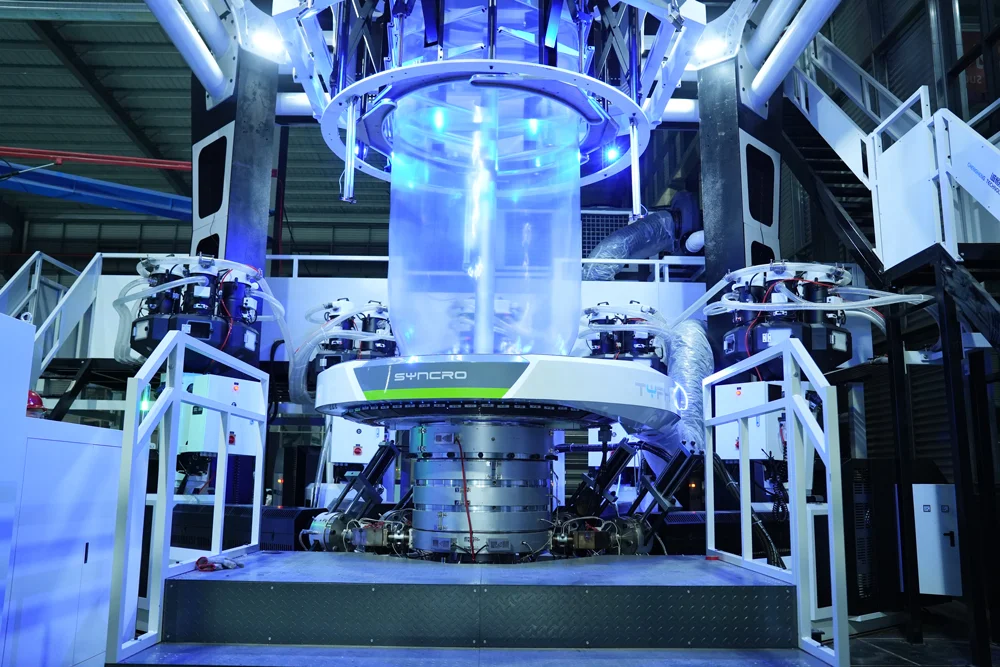
Key Considerations in Blown Film Extrusion Die Design
Effective blown film extrusion die design centers around several core principles. Firstly, achieving symmetrical melt flow is paramount. Asymmetrical flow leads to uneven film thickness and potential defects. Secondly, minimizing shear stress within the melt is essential to prevent polymer degradation and maintain material properties. Thirdly, the die should be designed to facilitate easy cleaning and maintenance, minimizing downtime. The die materials themselves are also crucial; they must withstand high temperatures, pressures, and resist corrosion. A poorly designed die can significantly impact the quality and consistency of the final product.
Key Highlights: Achieving symmetrical melt flow, minimizing shear stress, ease of cleaning, and utilizing durable materials are fundamental to effective die design.
Understanding Die Geometry and Its Impact
The geometry of the blown film extrusion die profoundly impacts film characteristics. Die features such as the land length, spider die design, and air ring configuration all play a critical role. A longer land length generally promotes more uniform thickness but can also increase shear stress. Spider dies, with their multiple legs, distribute the melt flow evenly. The air ring's design controls bubble cooling and diameter. Variations in these geometries allow for customization based on the desired film properties and material type. Complex flow simulations are frequently employed to optimize these parameters before physical die construction. CNCHSJ uses advanced simulation tools to ensure optimal die performance.
Die Geometry Impact Factors:
• Land Length: Affects thickness uniformity & shear stress.
• Spider Die Design: Ensures even melt distribution.
• Air Ring Configuration: Controls bubble cooling & diameter.
Advanced Features in Modern Blown Film Extrusion Die Design
Modern blown film extrusion die designs often incorporate advanced features to enhance performance. These include adjustable die features, allowing for on-the-fly adjustments to film thickness and width. Internal heating and cooling systems maintain precise temperature control, minimizing temperature gradients within the melt. Specialized flow diverters further optimize melt distribution. Furthermore, advanced surface treatments, like chrome plating or ceramic coatings, improve die durability and reduce friction. These advancements lead to increased output rates, reduced scrap, and improved film quality.
Material Selection for Optimal Performance of the Blown Film Extrusion Die
The choice of materials in blown film extrusion die design is crucial. Typically, high-grade alloy steels are used due to their strength, durability, and thermal conductivity. Stainless steel is frequently employed in areas exposed to corrosive materials. Chrome plating or ceramic coatings are applied to the inner surfaces to minimize friction and prevent sticking. The material's ability to withstand high temperatures and pressures without deformation is paramount. CNCHSJ utilizes only the highest quality materials in its die construction.
Choosing the Right Die Supplier: CNCHSJ
Selecting a reputable supplier for your blown film extrusion die is critical. CNCHSJ offers a wide range of custom-designed dies to meet your specific application requirements. We leverage advanced simulation technologies, utilize high-quality materials, and provide expert engineering support. We're committed to delivering dies that maximize your production efficiency and film quality. We offer customized solutions for a variety of polymers, including PE, PP, and PVC.
Conclusion: Investing in Quality Die Design
The blown film extrusion die is a crucial component in the manufacturing process. Investing in a well-designed die from a reputable supplier like CNCHSJ ensures optimal performance, reduced downtime, and superior film quality. Don't compromise on the heart of your production process – choose CNCHSJ.
Frequently Asked Questions (FAQs)
What are the common causes of defects in blown film extrusion, and how can die design help mitigate them?
Common defects include uneven thickness, necking, and pinholes. Uneven thickness is often caused by asymmetrical melt flow, addressed through optimized die geometry and spider die design. Necking can result from uneven cooling, which the air ring design impacts. Pinholes are typically linked to contaminants or poor melt homogeneity. A well-designed die promotes uniform melt distribution and minimizes shear, thus reducing the occurrence of these defects. Proper material selection for the die also prevents corrosion and material degradation that can cause defects.
How does the choice of polymer affect the blown film extrusion die design?
Different polymers have varying melt flow characteristics and thermal sensitivities. For example, low-density polyethylene (LDPE) requires a different die design than polypropylene (PP) due to differences in their melt viscosity and shrinkage rates. The die land length, spider die configuration, and cooling system must be tailored to the specific polymer to ensure optimal bubble stability and film quality. High-molecular-weight polymers necessitate designs that minimize shear stress to prevent degradation.
What is the role of flow simulation in blown film die design?
Flow simulation uses computational fluid dynamics (CFD) to model the melt flow within the die. This allows engineers to visualize flow patterns, identify areas of high shear stress, and optimize the die geometry before physical fabrication. Simulation significantly reduces development time and cost by minimizing the need for trial-and-error prototyping. It enables precise control over melt distribution and ensures uniform film thickness. CNCHSJ utilizes advanced flow simulation software in its design process.
How often should a blown film extrusion die be inspected and maintained?
Regular inspection and maintenance are essential for prolonging die life and maintaining performance. The die should be inspected at least monthly for signs of wear, corrosion, or damage. Cleaning the die regularly to remove polymer buildup is crucial. Any worn or damaged components should be replaced promptly. Preventative maintenance, such as applying protective coatings, can also extend the die's lifespan. Following the manufacturer’s recommendations for cleaning and maintenance is vital.